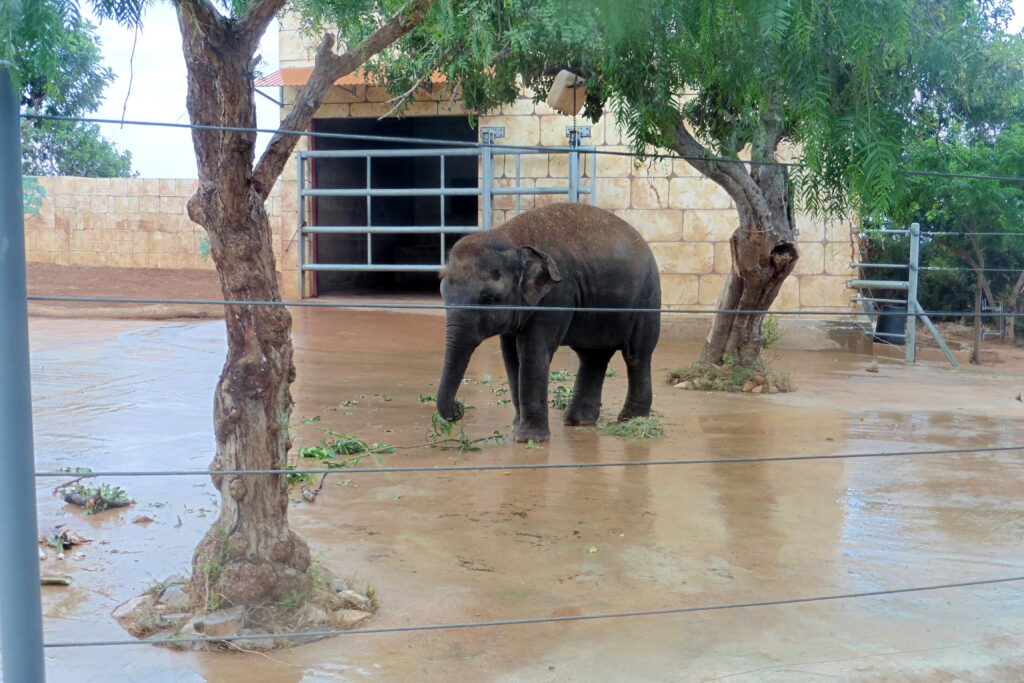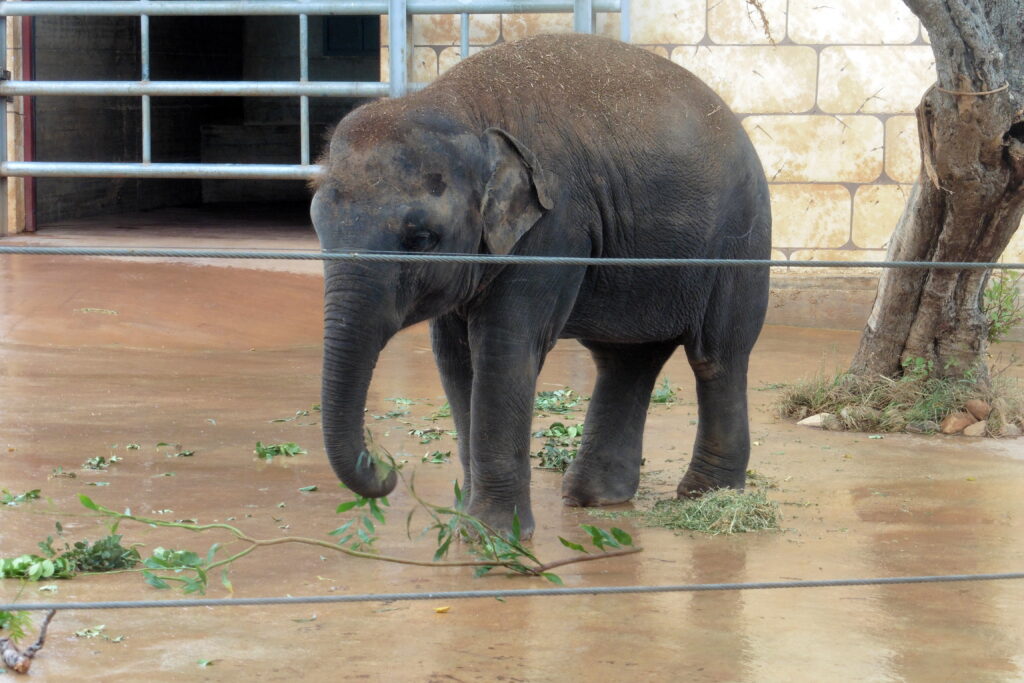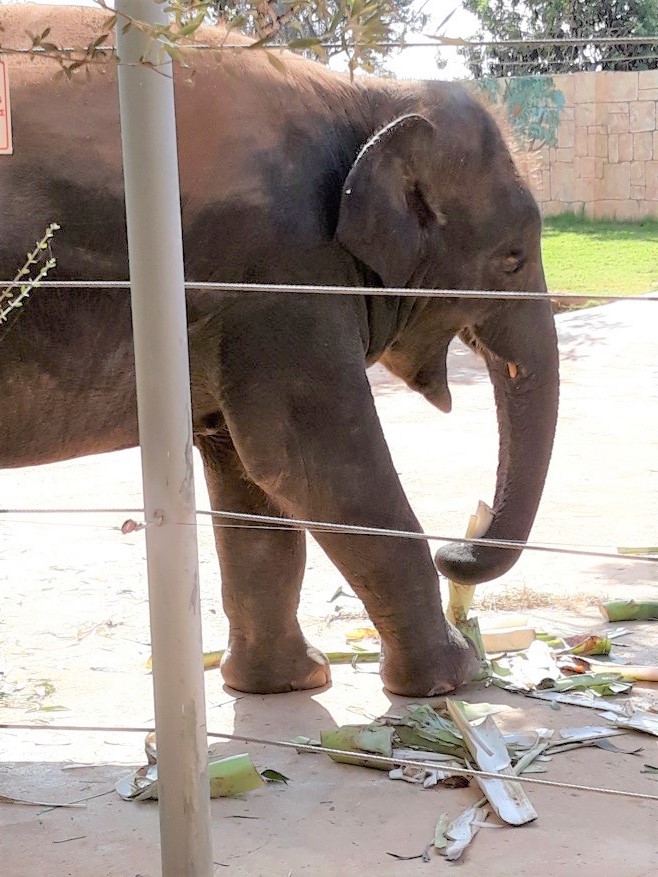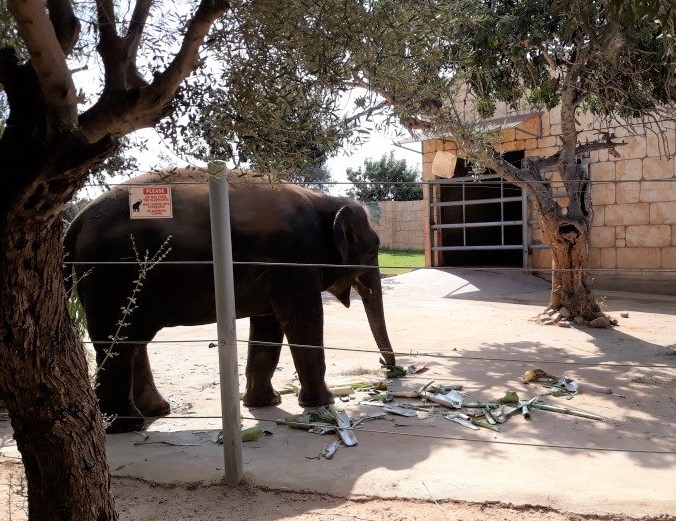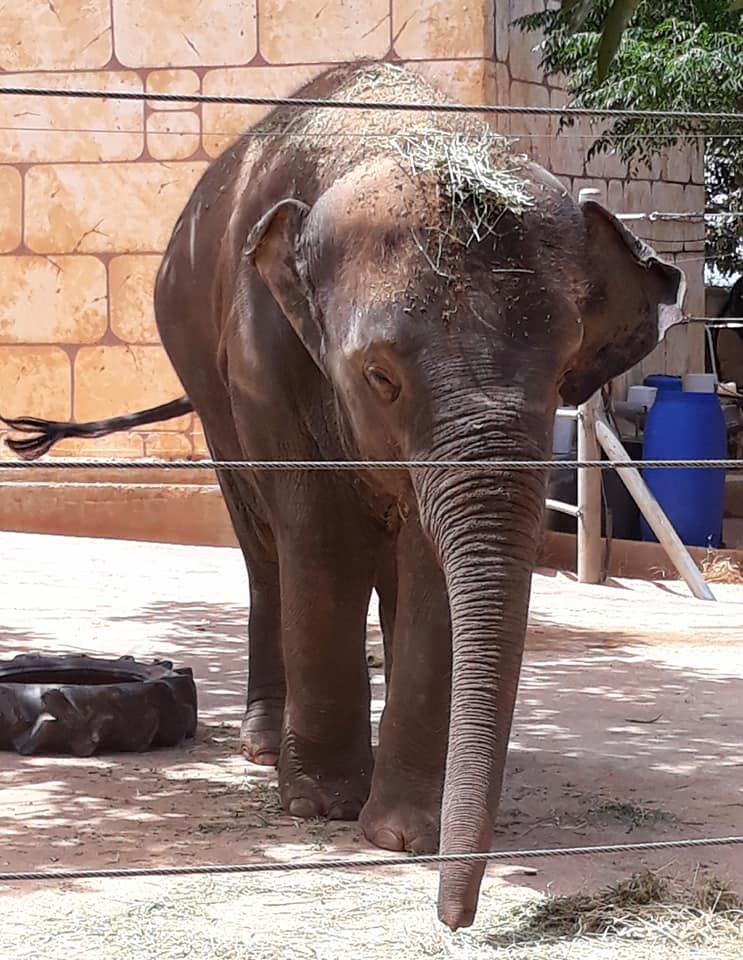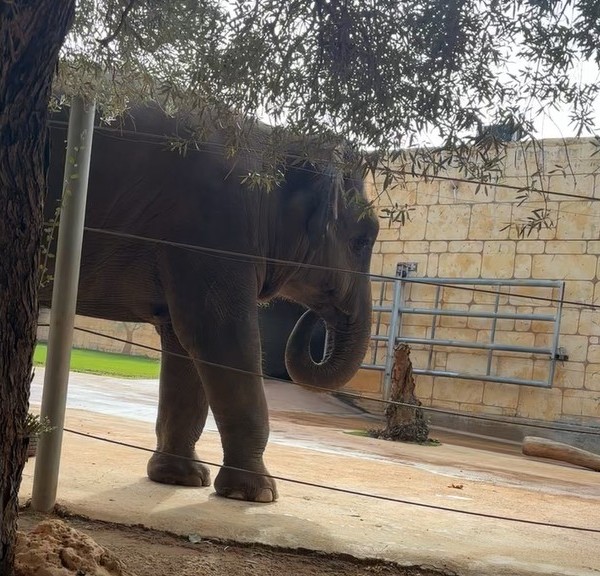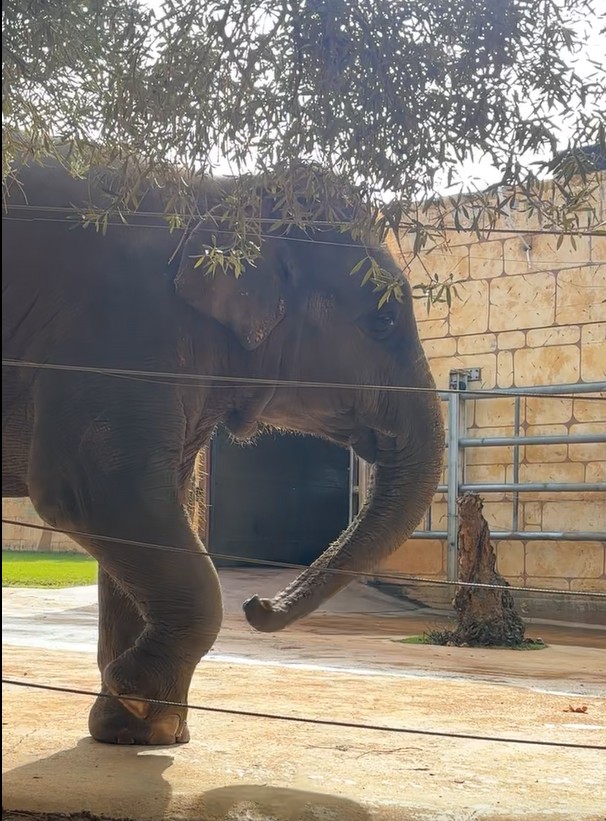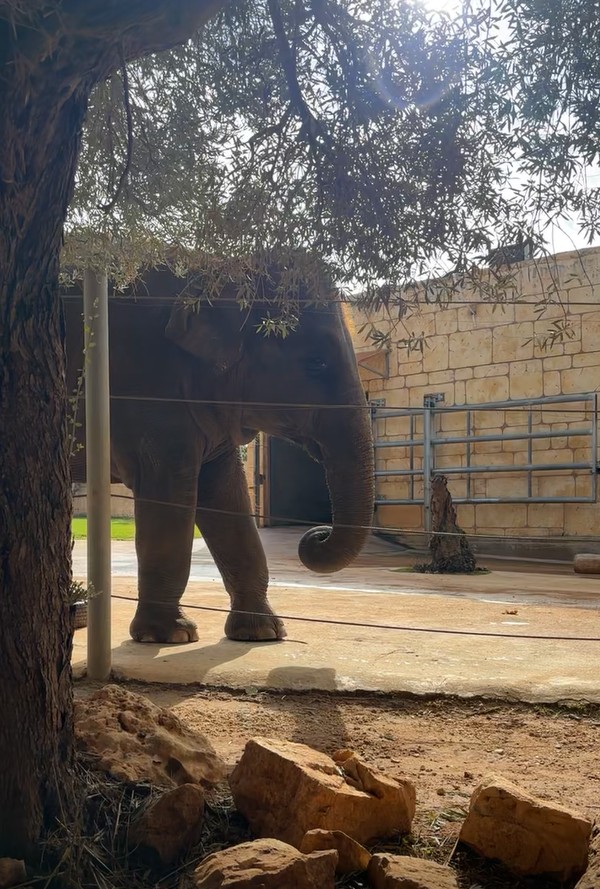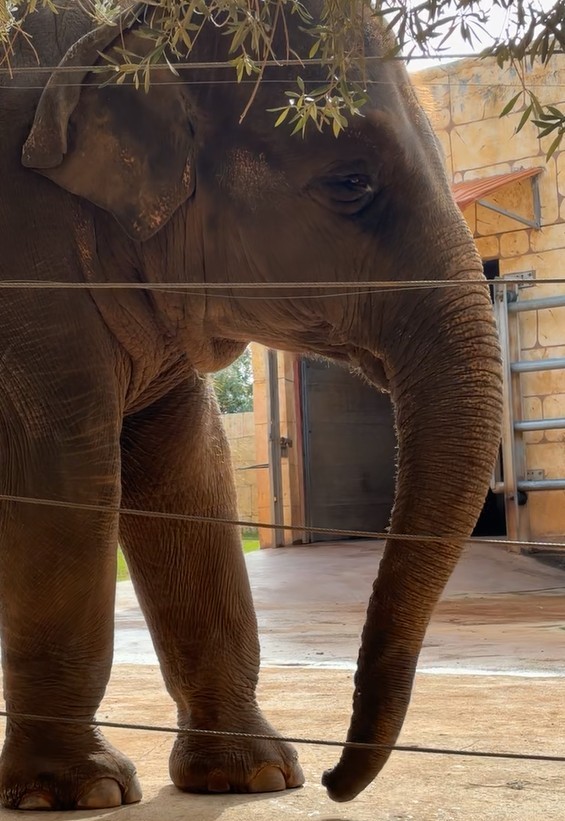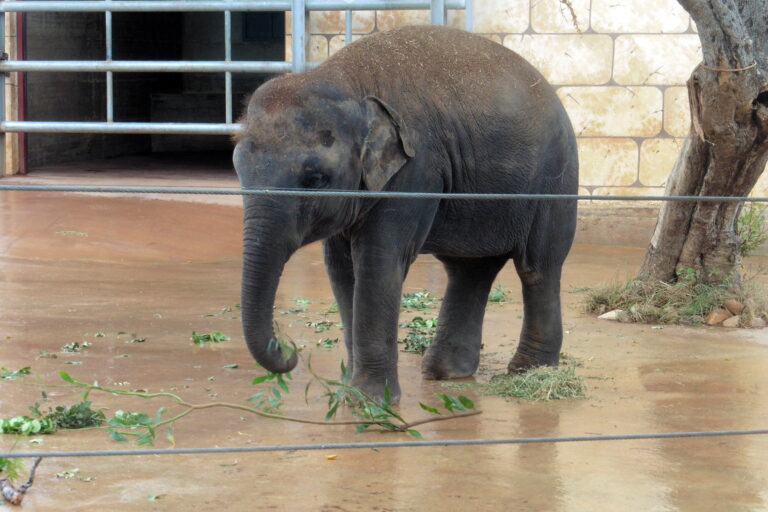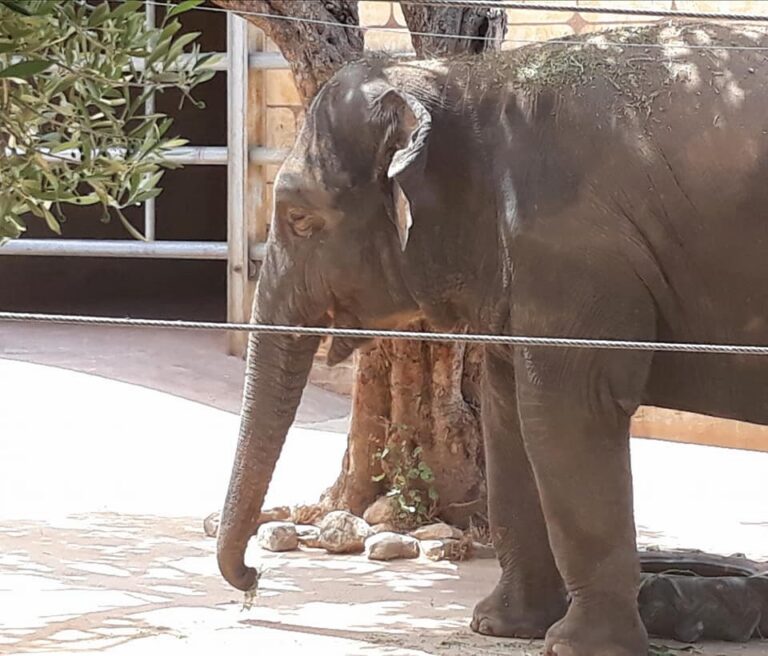
Shoba (also known as Shova Rani) is a female Asian elephant kept alone at Pafos Zoo in Cyprus.
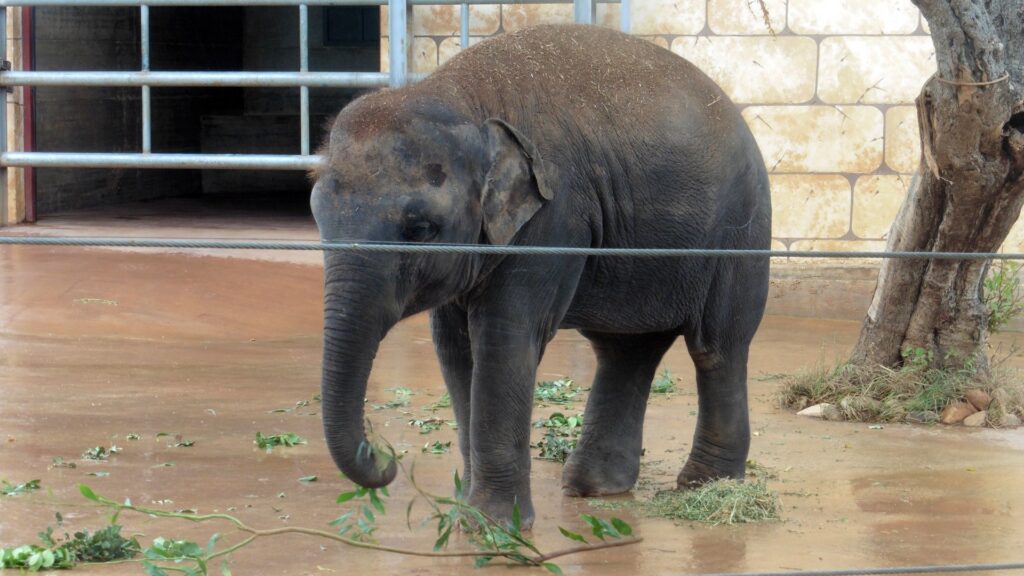
Shoba, Pafos Zoo, 2017 © RTRF
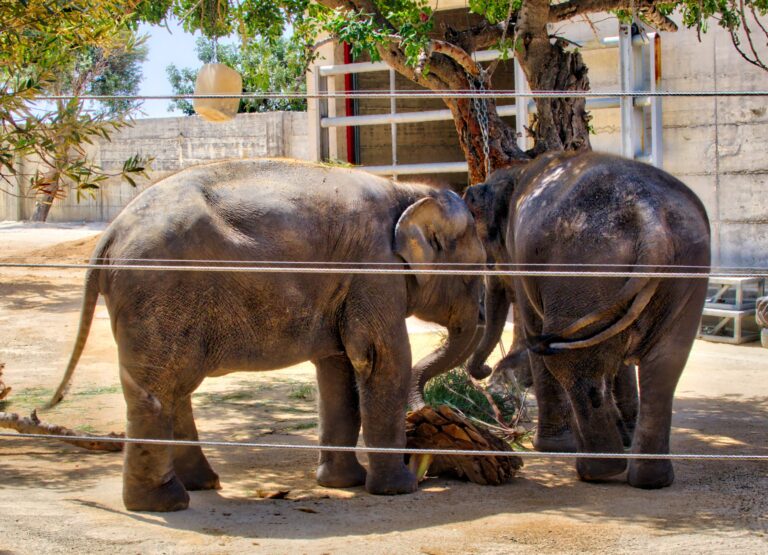
At the age of four, Shoba, and a related five-year-old female elephant named Bono Rani, were transferred to Cyprus by the government of Bangladesh in 2015. They were reportedly sent as a ‘goodwill gift’ to further strengthen relations between the two governments.
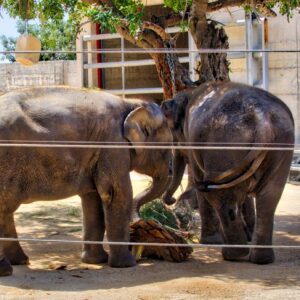
Shoba and Bono Rani at Pafos Zoo, 2016 © Sergiy Galyonkin, Flickr creative commons.
Shoba and Bono Rani are believed to have originated from the Bangladesh Forest Industries Development Corporation (BFIDC), a government body with links to the timber logging industry. The BFIDC has a history of the brutal elephant taming and training process known as ‘Hadani’, where elephant calves are separated from their family, tethered to one spot for months, deprived of food and often beaten in order to break their spirit and force them to submit to human control.
In 2014, Bangladeshi media reports described how two mahouts had been hired to train Shoba and Bono Rani, including how to kneel down and touch each other’s trunks and foreheads.
They were subsequently moved on to Bangabandhu Safari Park in Dulahazara to undertake quarantine and to be trained how to get in and out of a special cage that would be used to transport them on a plane to Cyprus.
In June 2015, Shoba and Bono Rani, along with a veterinarian, their trainer/mahout, and a representative from the Bangladeshi government, boarded a flight and travelled 2,200 miles to Abu Dhabi, UAE, before flying another 1,450 miles on to Larnaca airport, Cyprus, where they were met by local animal welfare activists protesting their arrival. They were then driven in a lorry a further 85 miles to Pafos, where the zoo and members of the media were awaiting them.
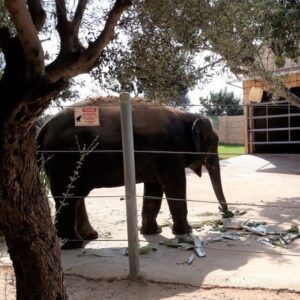
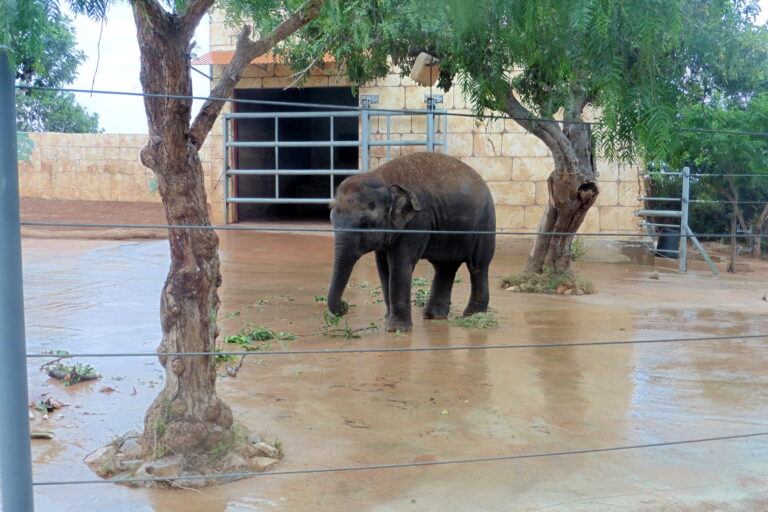
Shoba, Pafos Zoo, 2018 © RTRF
After a mandatory one-month quarantine at the zoo, Shoba and Bono Rani went on display to the public. Concerns continued to be raised about their welfare and whether Pafos Zoo was able to provide the appropriate care and conditions these elephants needed. However, the Cypriot authorities were reportedly satisfied with the elephant enclosure and the zoo’s care plan, which included the long-term employment of, and guidance, from the Bangladeshi mahout.
However, tragedy struck in May 2016, when Bono Rani died aged 6 years, although news of her death, reportedly from suspected bronchopneumonia, only emerged the following month. This left five-year-old Shoba alone. As elephants are such complex, social animals, whose natural biology and behaviour is based on living within closely bonded matriarchal herds, Shoba’s situation is both sad and unacceptable.
Over the subsequent years, concerns have continued to be raised about Shoba’s welfare, with visitors and tourists expressing their sadness at seeing such a social animal standing on her own in a small enclosure that offers little in the way of enrichment and no visible food or browse. Reports often describe seeing her pacing around her enclosure or swaying from side to side.
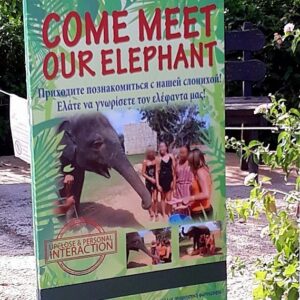
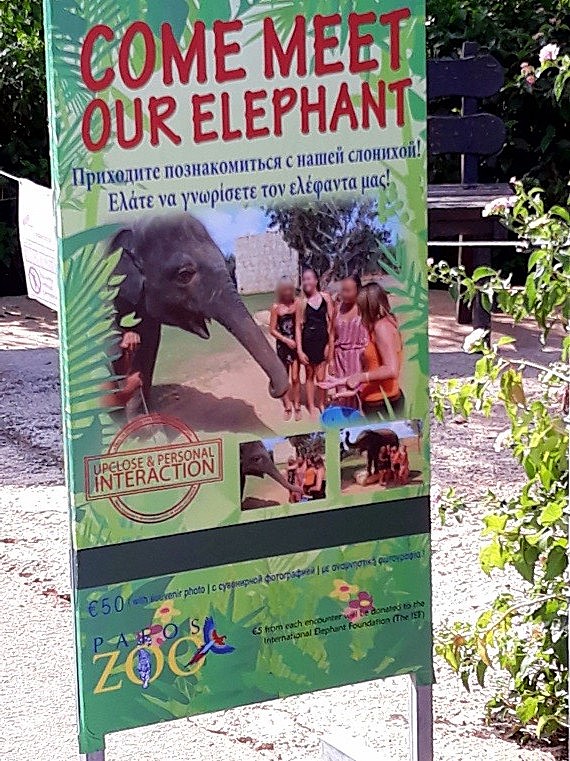
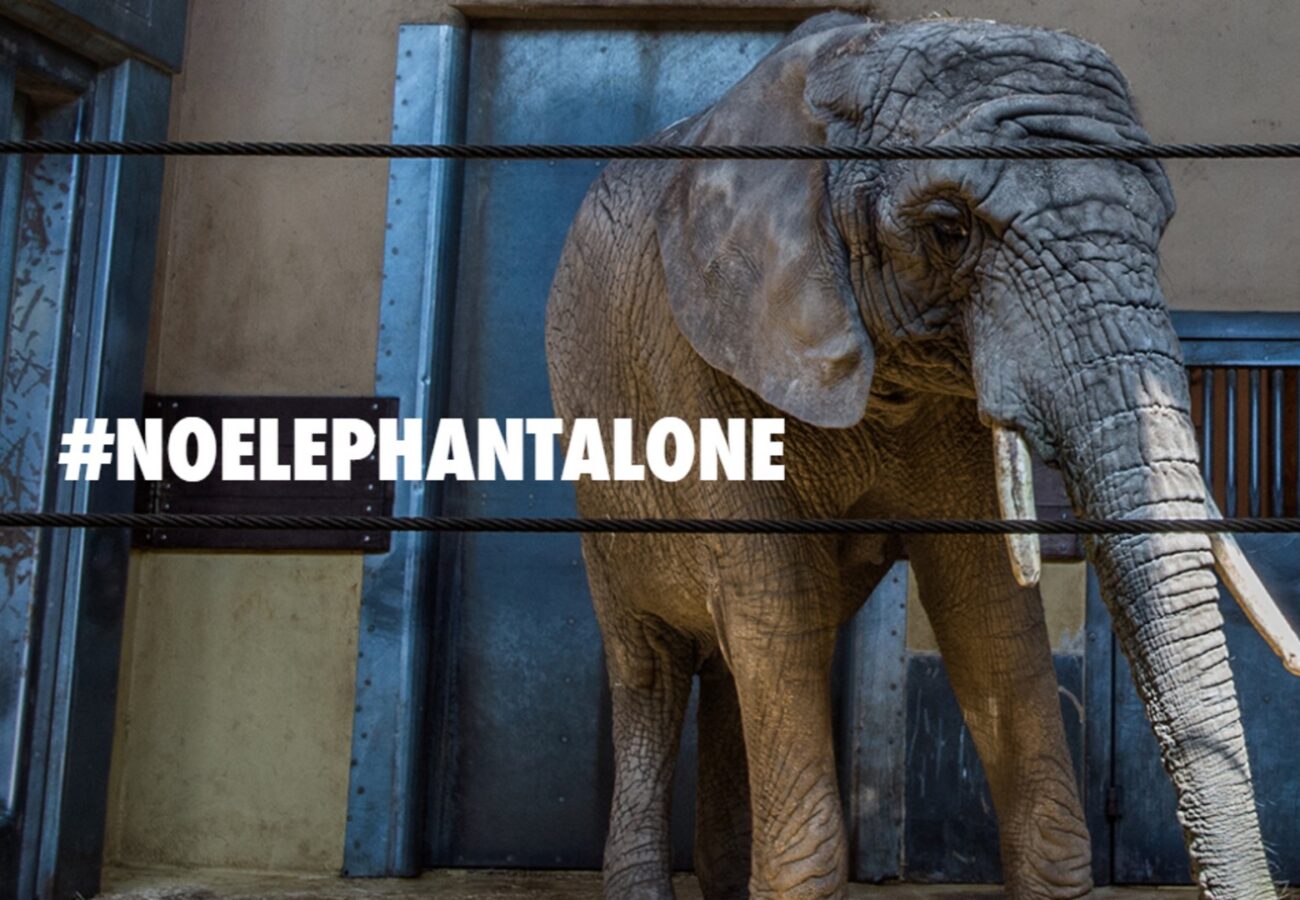
Shoba features in a Poster at Pafos Zoo, Cyprus, 2019
Shoba has also been trained to stand on a stone ‘podium’ and perform circus-style tricks such as raising her legs and trunk on command, while visitors pay to interact with her. For a fee of 50 euros, people can hand-feed her pieces of fruit and vegetables, and have their photos taken while posing in front of her or even while touching her. She is also advertised as a living backdrop for people’s wedding photos.
Born Free has repeatedly raised concerns with the Cypriot authorities about Shoba and her ongoing exploitation at Pafos Zoo. Furthermore, the serious risks posed by close contact with captive elephants are being ignored by the authorities. Whether born in the wild or in captivity, all elephants are wild animals and their ability to cause harm is very real. There are many recorded incidents of public injury or even death after so called ‘tame’ elephants have lashed out.
2026 marked the 10th anniversary of Shoba’s solitude at Pafos Zoo.