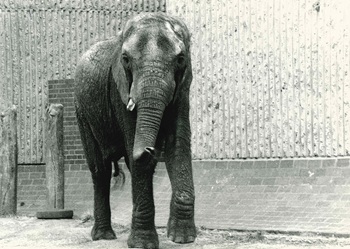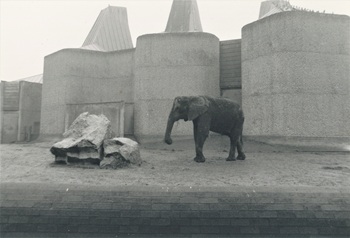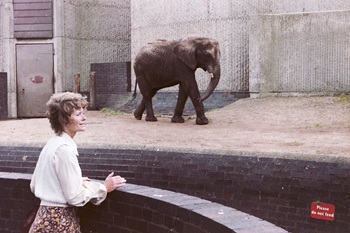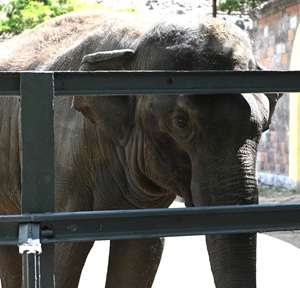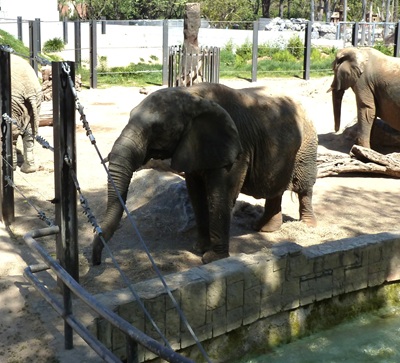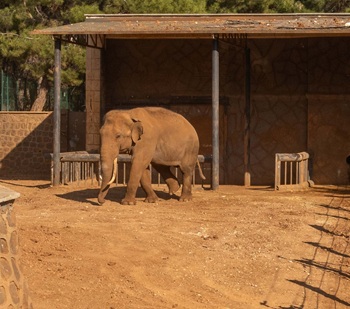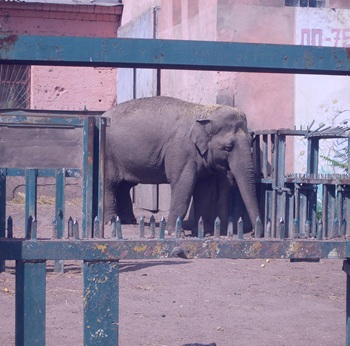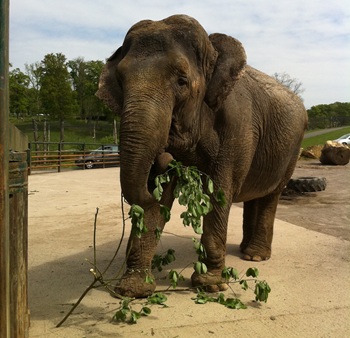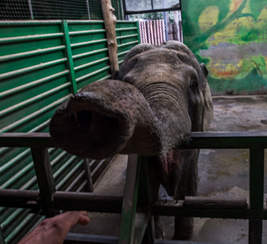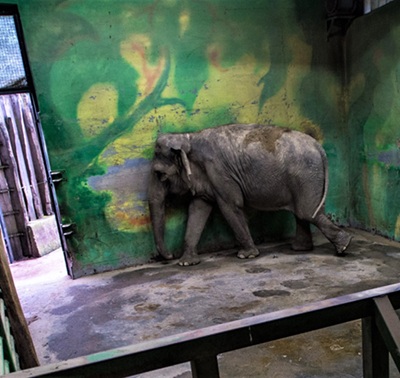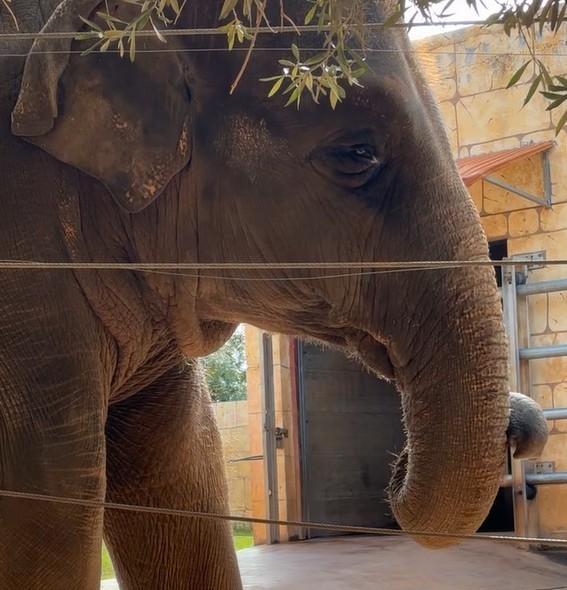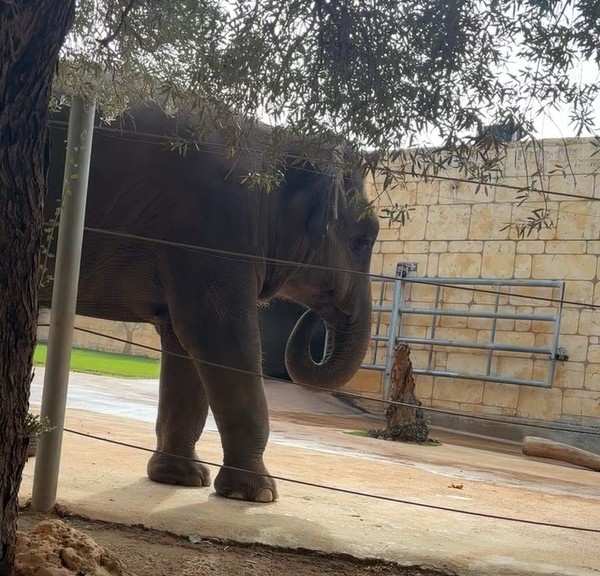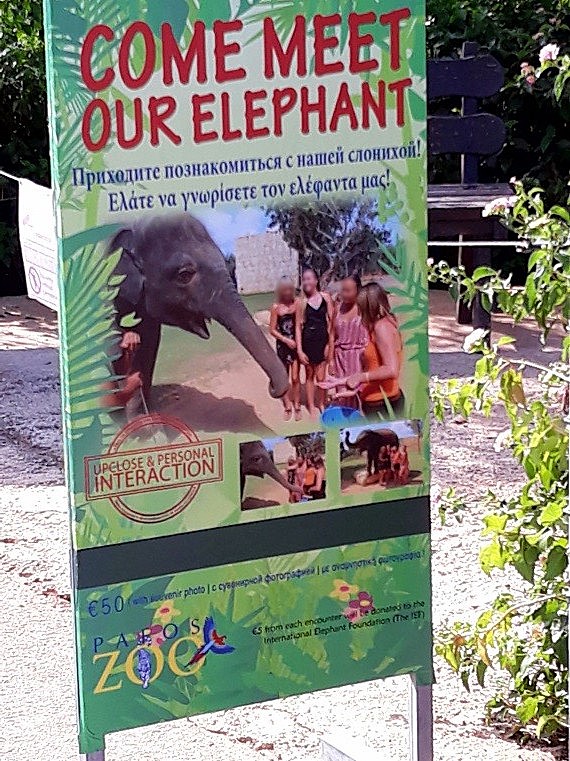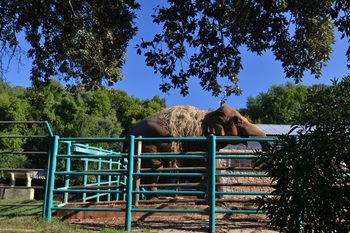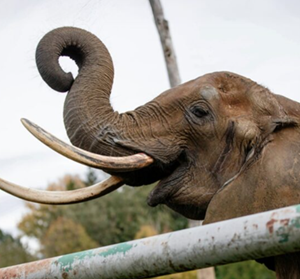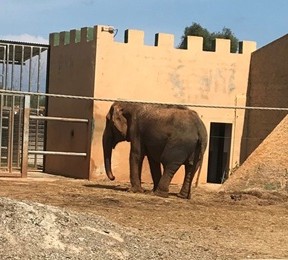
An elephant in a small indoor zoo enclosure

#NoElephantAlone

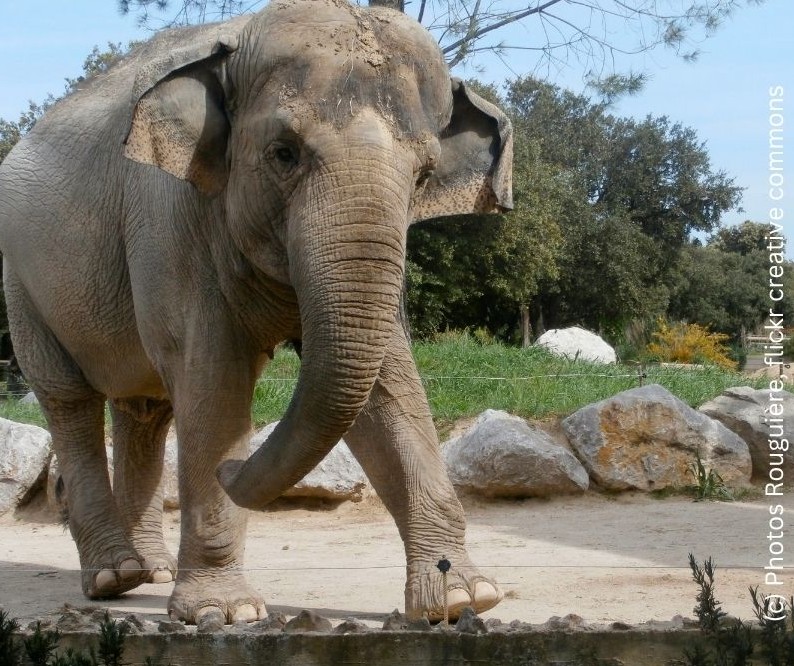
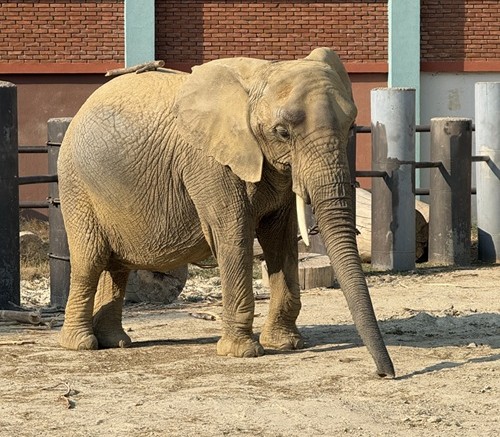
Elephants are highly intelligent and deeply social animals. In the wild, their lives are shaped by close, long-term relationships, with opportunities to communicate, learn from and spend time with other elephants. Born Free was founded because of concerns for the welfare of elephants in captivity, and is especially concerned about elephants who are kept alone, without regular contact with others of their kind. 

Elephants live in a range of captive settings worldwide, and every individual’s circumstances are different. However, for animals whose social relationships are so important, living without the company of other elephants creates a serious welfare concern. 

Some elephants have lived alone for many years. Some lost a long-standing companion, while others are the last elephant remaining where they live. Prolonged isolation denies elephants opportunities to interact with others of their kind, form relationships and express natural social behaviour. Human care, however dedicated, is no substitute for the sight, sound, touch and companionship of another elephant. 
Meet the lonely elephants


Meet Europe’s Lonely Elephants

Our map below introduces individual elephants living alone in Europe.

Click on a pin to find out more about Europe’s lonely elephants, or use the search box below to look for a named elephant, captive facility or country. Some of the elephants have case studies linked, and more will be added as our research continues.

Three pin icons in red, green and black with a white elephant in the centre of each

Map Key: 

  • Red pin – Individual elephant of concern  
  • Green pin – Elephant who has been relocated to a sanctuary 
  • Black pin – Deceased elephant 

What is Born Free doing to help lonely elephants?

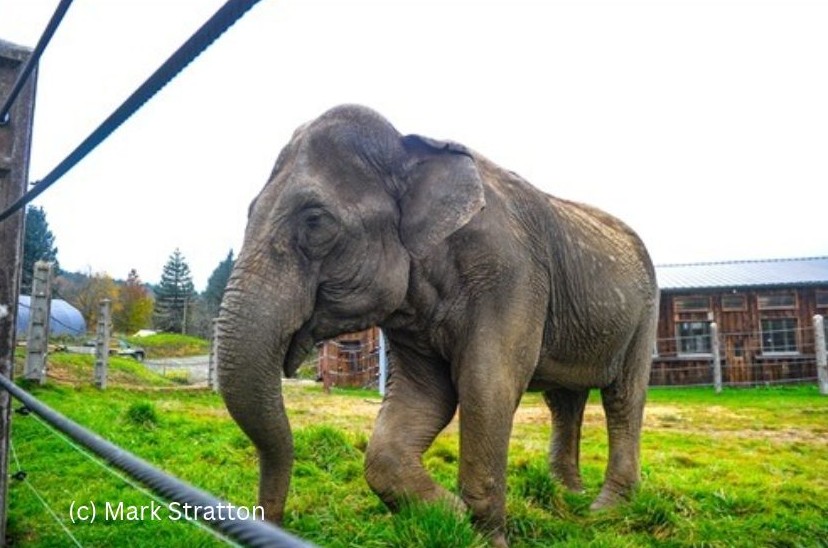
A make elephant stands alone behind the metal bars of a zoo enclosure

Bunka the elephant (c) Mark Stratton

Born Free is calling for an end to elephants being kept alone. 

We work with captive facilities, industry bodies, elephant experts, sanctuaries, welfare organisations and relevant authorities to encourage practical, evidence-led solutions for elephants living without the company of their own kind. 

We want every solitary elephant to have an individual, evidence-led plan that provides the best possible lifetime care. Wherever it is safe, appropriate and in the elephant’s best interests, this should provide suitable opportunities for regular social contact with other elephants. 

Any plan must take account of the individual elephant’s age, health, behaviour, social history and circumstances.

Options could include: 

  • Introducing suitable companionship where the elephant currently lives 
  • Moving the elephant to an appropriate facility where carefully managed introductions to potentially compatible elephants can take place 
  • Transfer to a genuine sanctuary that can provide suitable care and opportunities for companionship, such as Pangea, co-founded by Born Free* 
  • Transfer to a suitable wild or near-wild environment within the species’ current or historic natural range, where this is safe and feasible 
  • Bringing remaining elephants together, where appropriate and over time, in facilities able to provide the highest possible standards of lifetime care and suitable social contact 

Moving an elephant or introducing a new companion requires specialist expertise, careful planning and long-term commitment. The right approach will be different for every individual, but their welfare must always come first. 

Different elephants may need different solutions. The goal is the same: #NoElephantAlone. 

Disclaimer: Please note that this map is updated using verified information and data available in the public domain. It does not currently show every elephant believed to be living alone in Europe and may not reflect very recent changes in an elephant’s circumstances.

*Born Free is a founding member of Pangea Elephant Sanctuary, alongside Fondation Brigitte Bardot, Olsen Animal Trust and World Animal Protection.