
Talking tigers: Meet Shivangi Bendre
What does it take to be a conservation biologist protecting tigers in India? We ask Shivangi why her work to help people live alongside wildlife means so much to her.
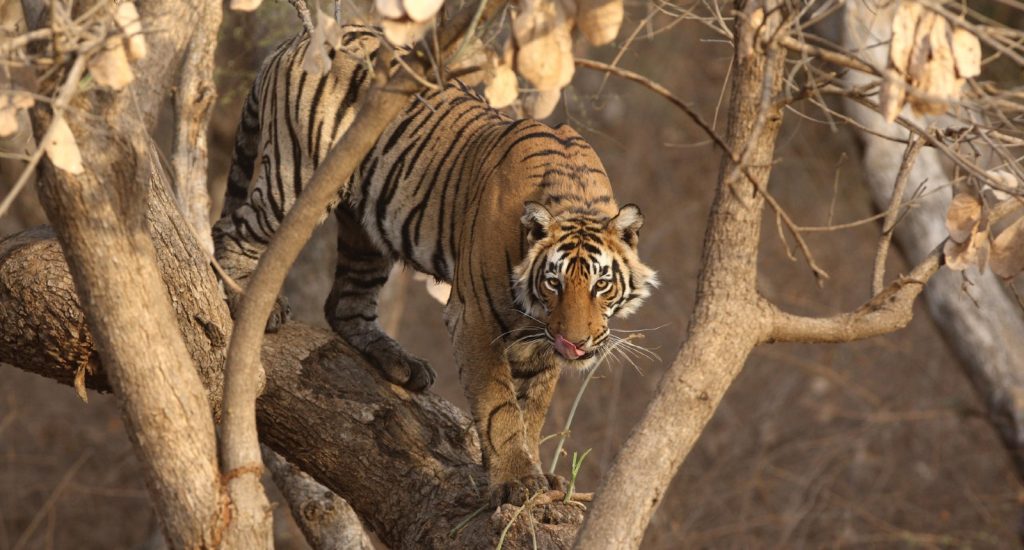
(c) Mike Vickers
Since 2024, Shivangi Bendre has helped communities safely live alongside tigers and other wildlife, in Central India. Working as Conservation Biologist at The Corbett Foundation, Shivangi is an integral part of their team in the Kanha Tiger Reserve Landscape – her work blending hands-on fieldwork, with community engagement.
The Corbett Foundation is one of Born Free’s key partners in the Satpuda Landscape Tiger Partnership, a collective of organisations working together to protect India’s tigers, founded by Born Free and WildCru in 2004. With our support, The Corbett Foundation works closely with communities to promote human-wildlife coexistence – protecting livestock, livelihoods, and tigers.
Shivangi speaks to our consultant Yashvardhan Dalmia about her journey to become a conservationist, why she has real hope for the future, and how working closely with communities is vital for conservation.

“Engaging with local communities provides invaluable insights that go beyond theoretical knowledge. Their lived experiences are critical to conservation.” ~ Shivangi Bendre
What first got you interested in conservation?
I’ve always been driven by a curiosity to understand the ‘why’ and ‘how’ behind the natural world and its wonders. My love for wildlife and wilderness has turned into a happy addiction, from the moment I started working in this field.
In the first year of my Bachelors degree in zoology, I joined the nature club. Attending guest lectures on wildlife related topics was a game changer for me. Little did I know, it was the first step towards discovering my true passion.
My journey since college has taken me deep into the wilderness, where I’ve developed a broad interest in the ecology of mammals and advocating for their conservation. Over the years, I’ve come to focus on understanding community needs, their connection to nature, and the role of wildlife in their lives.
How does a typical day unfold?
My days are always dynamic and full of variety, blending hands-on fieldwork with community engagement and problem-solving. Each day unfolds differently, whether visiting habitat restoration sites to ensure tree saplings are growing well, and keep track of areas we’ve been restoring native flora, or helping monitor cattle stall-feeding activities to reduce dependence on forest grazing.
I attend cases of tiger or leopards attacking on cattle – along with our para-vet to provide free treatment for injured cows, educate students about biodiversity and the importance of wildlife conservation, or conduct biodiversity surveys. Each day brings new challenges!
What’s your favourite part about working with The Corbett Foundation?
Working in the Central Indian landscape has given me the opportunity to immerse myself in the rich cultural tapestry of local communities, and understand their perspectives on wildlife. Engaging with school students is especially rewarding. Their curiosity and enthusiasm inspire me to share knowledge and help foster a deeper appreciation for nature.
But above all, the true privilege lies in stepping away from the hustle and bustle of city life and immersing myself in the serenity of the forest. There’s nothing quite like the peace and beauty of nature to inspire and recharge my spirit.
Any important lesson you’ve learned?
Engaging with local communities provides invaluable insights that go beyond theoretical knowledge. Their lived experiences are critical to conservation. Interacting with school students living along the forest fringes also inspires me to think creatively about how we can foster a sense of stewardship for the environment in future generations. This has reinforced my belief that education and community involvement are vital for successful conservation efforts.
How do you feel about the future of India’s natural environment?
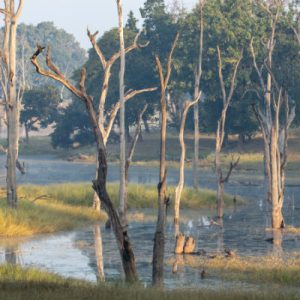 In my role I’ve witnessed community’s approaches towards wildlife conservation change. I’ve seen people participate enthusiastically in restoration work, where villagers come together to plant native trees and restore habitats. They demonstrate a commitment to the environment which I hadn’t seen as pronounced before.
This alongside communities’ willingness to work with conservationists to protect their cattle and wildlife habitats have filled me with optimism for the future of India’s natural environment. I can genuinely say I’ve witnessed a positive change in conservation attitudes here in Central India.
Thank you to Shivangi for taking the time to talk to Born Free, and dedicating your skills to people and wildlife. Your passion and enthusiasm for nature and community engagement are inspiring to us all. We’re delighted to help support this valuable work.
The Corbett Foundation is part of the Satpuda Partner Landscape Partnership, a collective of Indian organisations, alongside Born Free and Oxford University’s WildCRU, working in the Central Indian Landscape to protect tigers and the communities living alongside them.
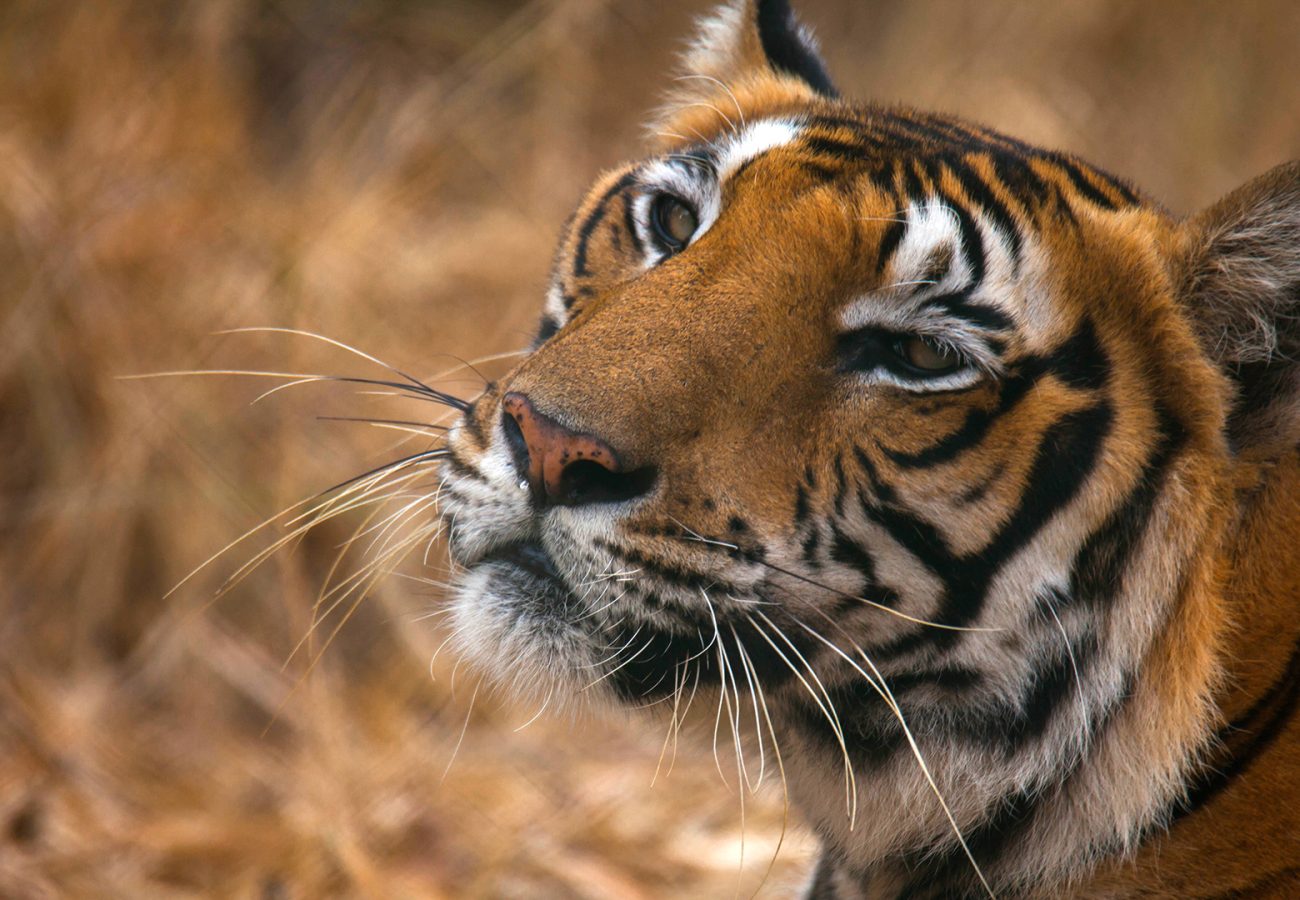
Love tigers?
Adopt Gopal the tiger with Born Free! Support lifetime care for Gopal and other rescued tigers in India, and help protect wild tigers from poaching, the illegal wildlife trade, habitat loss and human-tiger conflict.