
Tackling wildlife crime with schools
Available free, Born Free’s remarkable new secondary school resources raise awareness to the impact of illegal activities on wild animals, and encourage empathy.
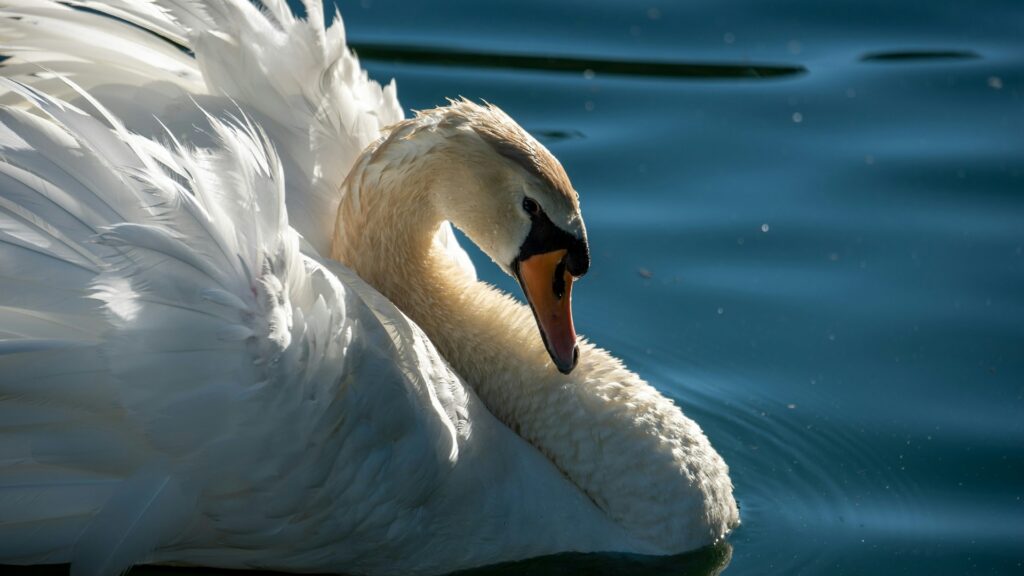
Photo by Robert Woeger on Unsplash
Three schoolgirls attack a hedgehog in a play park, throwing it down a slide. Another hedgehog dies, after being kicked like a football by young boys. Swans, geese and buzzards are shot by teens, using high-power catapults to fire deadly steel ball-bearings. This isn’t just children messing around – this is cruelty, and it’s criminal.
“Wildlife crime is a serious problem here in the UK, harming wildlife, and causing untold pain and suffering,” explains Born Free’s Head of Community Engagement, Laura Eastwood. “Sadly, young people can be actively involved, but might not understand the implications of what they’re doing. Their involvement in wildlife crime can lead to other forms of criminal activity, and place children on a dangerous path.
“Born Free has created a fascinating new resource about the devastating impacts of wildlife crime. It’s especially aimed at secondary school students, and free for teachers to download. We want to raise awareness, and encourage empathy for wild animals, as we believe prevention begins in the classroom.”
Born Free works extensively with teachers and young people to build an understanding of the importance of wildlife protection, and wild animal well-being, from an early age. Our newly published wildlife crime lesson plan is designed to accompany and enhance secondary school citizenship programmes.
Our curriculum-linked resource highlights the impacts wildlife crime and trade have on our environment and economy, as well as on the animals themselves. Through case studies, quizzes and a persuasive writing activity, students can discover what laws and agreements are in place to prevent wildlife crime, both in the UK and further afield, and what they can do to help protect wildlife:
Tackling catapults

Earlier this year, Born Free joined colleagues from the RSPCA, Naturewatch Foundation and League Against Cruel Sports on the main stage at the Global Birdfair Festival in Oakham, Rutland – the world’s largest annual celebration of birds. It was a high-profile opportunity to discuss the growing problem of young people targeting animals with high powered catapults, who then sharing graphic images of such cruelty on social media and private communication platforms.
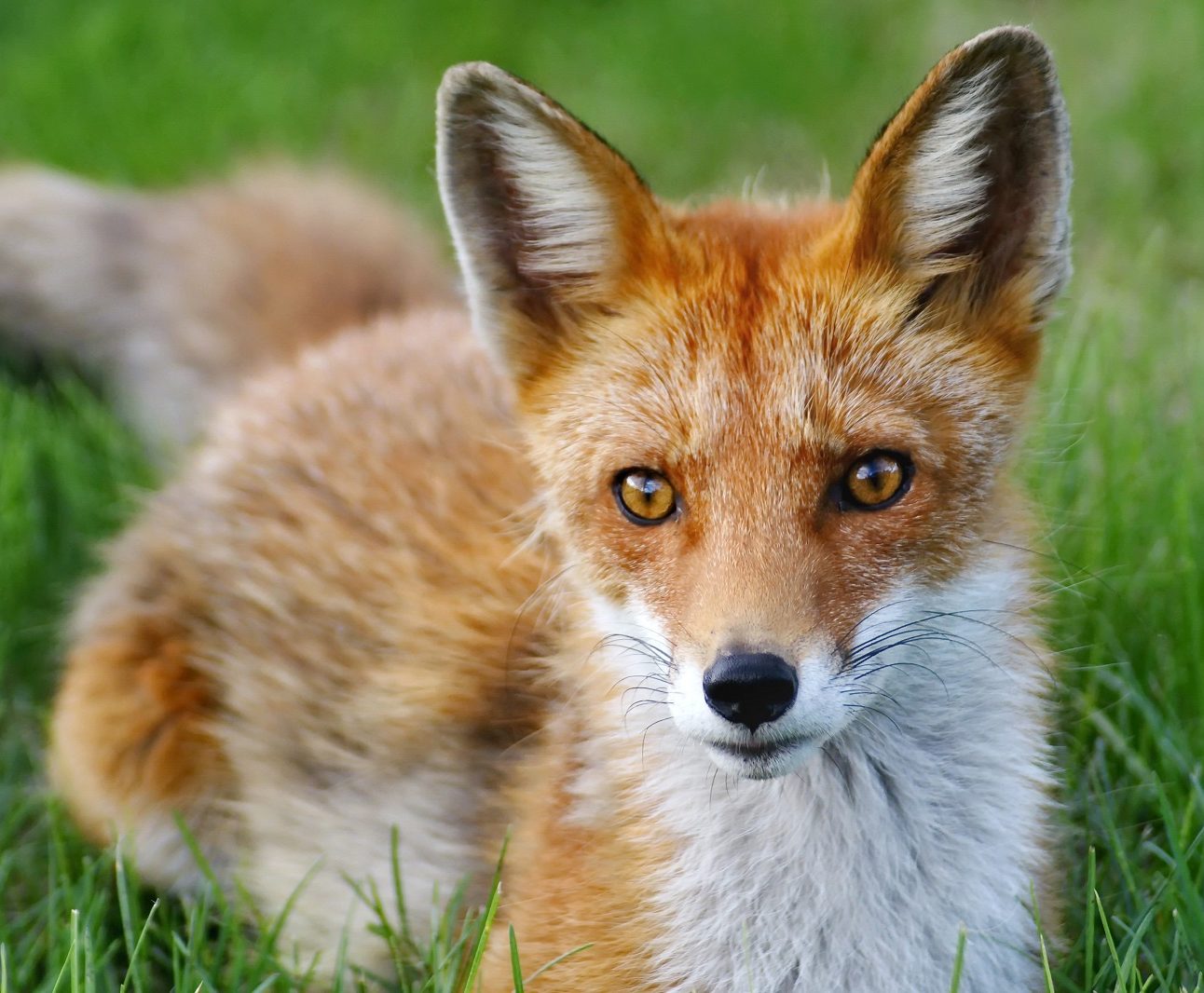
Shocking data compiled by the BBC revealed that approximately 7,200 catapult-related crimes were recorded across 37 police forces between 2019 and 2024. These attacks targeted birds including swans and geese, as well as foxes, rabbits, squirrels, deer and even pets.
The impacts of catapult-related crimes are devastating to the targeted animals, and can lead young people into other forms of criminality. However, this is just one of many types of wildlife crime that take place every day across the UK – from badger baiting to hare coursing, to the persecution of birds of prey.
Time for global action
“Tackling wildlife crime here in the UK, and further afield, doesn’t get the attention and resources it needs,” explains Born Free’s Head of Policy Dr Mark Jones. “Born Free has worked for years to increase protections for wildlife, enhance awareness of the impacts of wildlife crime, and strengthen the response from enforcement, prosecutorial and judicial authorities.
“In 2020, Born Free co-founded the Global Initiative to End Wildlife Crime. The primary purpose was to secure an international agreement on tackling the scourge of wildlife trafficking and other serious environmental crimes, in the form of a United Nations Convention against Transnational Organised Crime (UNTOC) protocol. So, last month, we greatly welcomed news that – six years on – UNTOC has made a major step forward in the global fight against wildlife crime.
“The Convention has finally agreed to negotiate such a protocol, which will elevate the way the international justice system tackles wildlife trafficking and wider environmental crimes. While the process will take at least a further two years to come to fruition, with many hurdles still to overcome, this step should help governments to recognise that international wildlife trafficking is serious, organised crime, and that it should be treated as such.”
How we can all help
“Education, especially amongst young people, is an essential component in preventing wildlife crime,” said Laura Eastwood. “It helps people understand the law, builds respect for wildlife, improves reporting, and tackles the attitudes and demand that allow these crimes to continue. In fact, we believe that it is one of the key tools we have to prevent wildlife crime, before it happens.”
Preventing accidental crime
With the complexity of UK wildlife laws, and the low levels of associated public education, it’s very possible for individuals to commit offences unintentionally.
By instilling a better understanding of wildlife laws, and by ensuring people are aware of the impacts when these laws are not adhered to, we can ensure that everyone has the information they need. We hope our new schools Wildlife Crime pack will help young people make more informed choices to protect wildlife, while also enhancing their development and future potential.