
UNTOC Takes Historic Step on Environmental Crime
Adoption of a resolution by UNTOC will establish a new global protocol to fight international environmental crime.
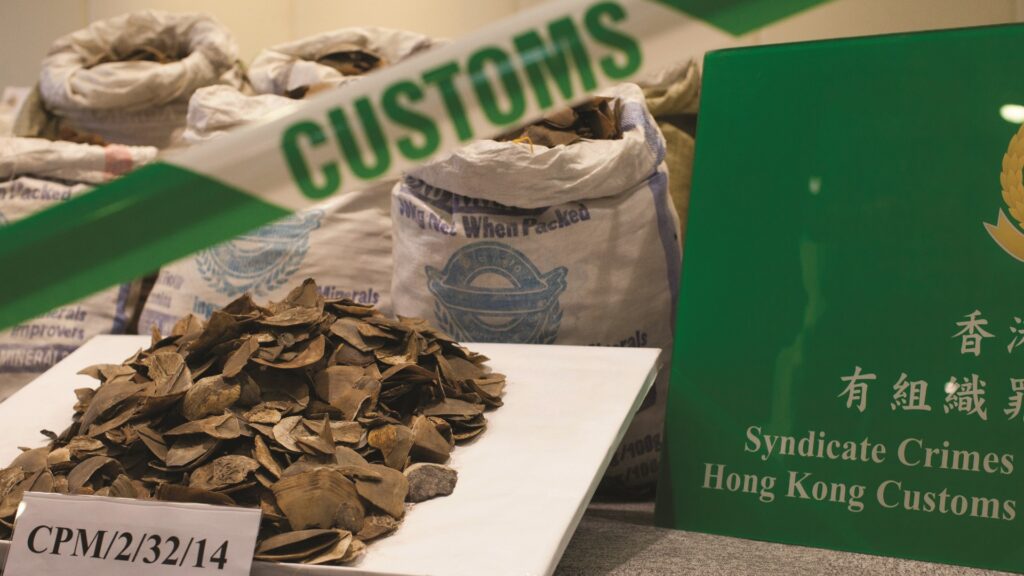
(c) USAID Asia
Born Free has welcomed the adoption of Resolution L.4 at the Thirteenth Session of the Conference of the Parties to the United Nations Convention against Transnational Organized Crime (UNTOC) on 23rd October, marking a major step forward in the global fight against wildlife trafficking and other serious environmental crimes.
The Resolution was submitted by Brazil alongside Bolivia, Colombia, Costa Rica, Democratic Republic of the Congo, Ecuador, Mauritania, Panama, Peru, Sao Tome and Principe, and Uruguay. It was adopted by 83 votes to 12, with 27 abstentions.
The resolution establishes a process for negotiating a new protocol on environmental crime under UNTOC, creating an unprecedented opportunity to strengthen international cooperation against criminal networks that profit from the destruction of nature.
Born Free has long advocated for such action. As a founding member of the Global Initiative to End Wildlife Crime (EWC), launched in 2020, we have worked alongside partners from around the world to make the case for a legally–binding international agreement capable of addressing transnational environmental crime in all its forms.
Head of Policy at Born Free Mark Jones, who has been ever-present through the negotiations, said: “Today’s decision is the result of six years of work, and sends a powerful message that governments recognise the scale, seriousness and interconnected nature of environmental crime. Wildlife trafficking, illegal logging, illegal mining and related offences are not isolated conservation issues; they are forms of organised crime that undermine the rule of law, fuel corruption, damage communities and drive biodiversity loss. We commend the States that developed, tabled and supported this resolution and look forward to engaging constructively in the negotiations ahead.”
Environmental crime is among the most profitable forms of transnational organised crime, yet international legal responses remain fragmented. A dedicated protocol should help close gaps in cooperation, strengthen investigations and prosecutions, and improve the ability of countries to work together to disrupt criminal networks operating across borders.
While the adoption of Resolution L.4 is a significant achievement, it only marks the beginning of a process of negotiating an international agreement. Born Free and our EWC partners will continue to advocate for an ambitious, effective and inclusive protocol that addresses wildlife trafficking and other crimes affecting the environment at its roots, and delivers meaningful benefits for wildlife, people and the planet.
Find out more about Born Free’s work tackling legal and illegal wildlife trade: