
95% of Australians back ivory and rhino horn trade ban
A new poll shows an overwhelming majority of Australian voters want their government to ban domestic trade in elephant ivory and rhino horn, as promised in 2019.
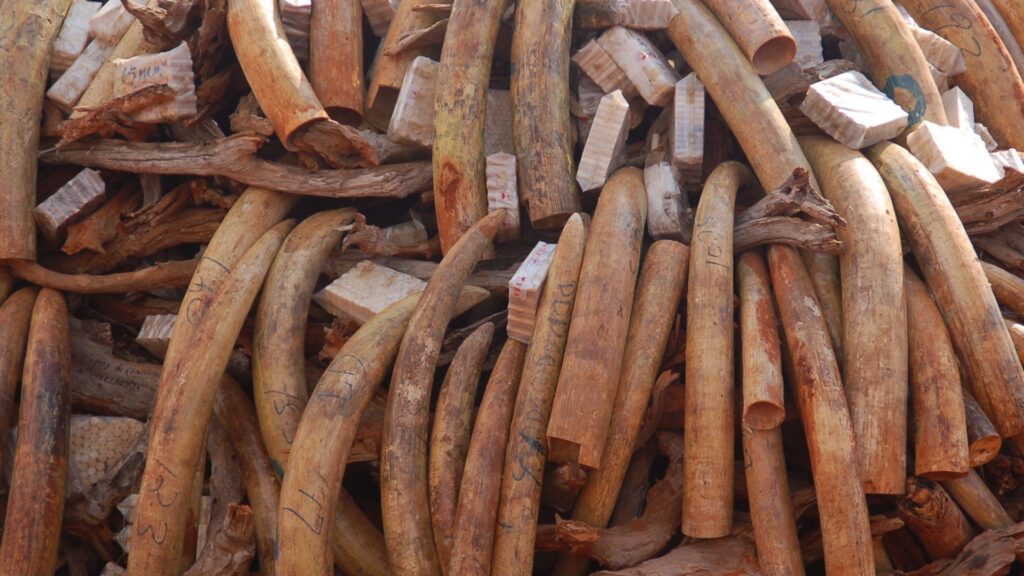
A new YouGov poll, released this World Elephant Day (12th August), adds fresh momentum to calls from Born Free, together with our colleagues at International Fund for Animal Welfare (IFAW) and Humane World for Animals Australia, for the Australian government to finally close Australia’s domestic ivory and rhinoceros horn market.
The Australian government agreed to doing so seven years ago, after a federal parliamentary inquiry recommended stronger action to address this trade.
“An elephant never forgets, and neither should our government,” said IFAW Programme Officer Neree Pateman. “Australians haven’t forgotten this promise, and the polling shows they overwhelmingly want it delivered.
“In the seven years since Australia promised to close our domestic market, other countries across the world have acted to close their markets. In that time, elephants and rhinos continued to face relentless pressure from poaching and trafficking. It’s time for Australia to catch up and deliver on its commitment.”
The poll also found that almost all Australians (97%) think it is important for Australia to introduce the ban. This includes 59% who say it’s ‘extremely important’, and 25% who say it’s ‘very important’.
Interestingly, public support for stronger protections is reflected in the fact that 95% of Australians surveyed believe or assume that buying and selling elephant ivory and rhinoceros horn within Australia is already illegal.
 “Australians have made their views unmistakably clear,” said Humane World for Animals Australia Executive Director Erica Martin. “Seven years after the government committed to banning the domestic trade in elephant ivory and rhinoceros horn, voters overwhelmingly expect that promise to be delivered.
“The fact that 95% of Australians support fulfilling this commitment, and that most already assume this trade is illegal, shows just how out of step the current situation is with community expectations.”
The results clearly highlight overwhelming public support for stronger protections for elephants and rhinos, whose survival remains under threat from poaching and wildlife trafficking – fuelled by demand for ivory and rhino horn.
“As the poll clearly shows, this is neither a complicated nor a controversial issue,” said Born Free Senior Policy Advisor Gabriel Fava. “An extensive consultation process has already delivered a very clear message. Australia must get its house in order, in line with local expectations as well as its international obligations, if it wants to avoid playing a role in the ongoing massacre of these iconic species. The time to act is long overdue.”
While a strict ban is in place for international commercial trade in elephant ivory and rhino horn, domestic markets provide loopholes that facilitate illegal trade. They provide opportunities for trafficked ivory to find a market, stimulate and legitimise demand for ivory and rhino horn, and encourage the illegal killing to continue, pushing the species closer to extinction.