
Youth engagement in South Africa highlights importance of nature
250 young people attended a Born Free community engagement session to learn about the environment and share their concerns for the future.
As part of Born Free’s community engagement work in South Africa, we partner with the Lighthouse Project in Paterson – a grassroots initiative dedicated to creating a safe and supportive environment for vulnerable children and families. Vinourica Ndou, Community Engagement Manager, reports on the latest meeting.
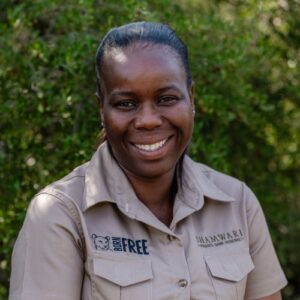
Vinourica Ndou
Last month, we held a community engagement session at the Lighthouse (a once-abandoned building, turned into a beacon of hope by volunteers), which welcomed our biggest audience to date, with 250 attendees. Most of the participants were aged between 5 and 12, with a further 68 teenagers and some adults also joining.
The day was designed to create a space where young people could learn, participate and, most importantly, contribute their ideas towards shaping the future of Born Free’s Lighthouse based Youth Programme.
The young people we work with are at the heart of what we do, so we wanted to hear their voices, understand their experiences and include them in developing the project action plan. All too often, programmes are designed for young people without first asking what they need. This session was an opportunity to do the opposite – to listen first and allow the programme to grow from the community’s own ideas and priorities.
The Day’s Activities
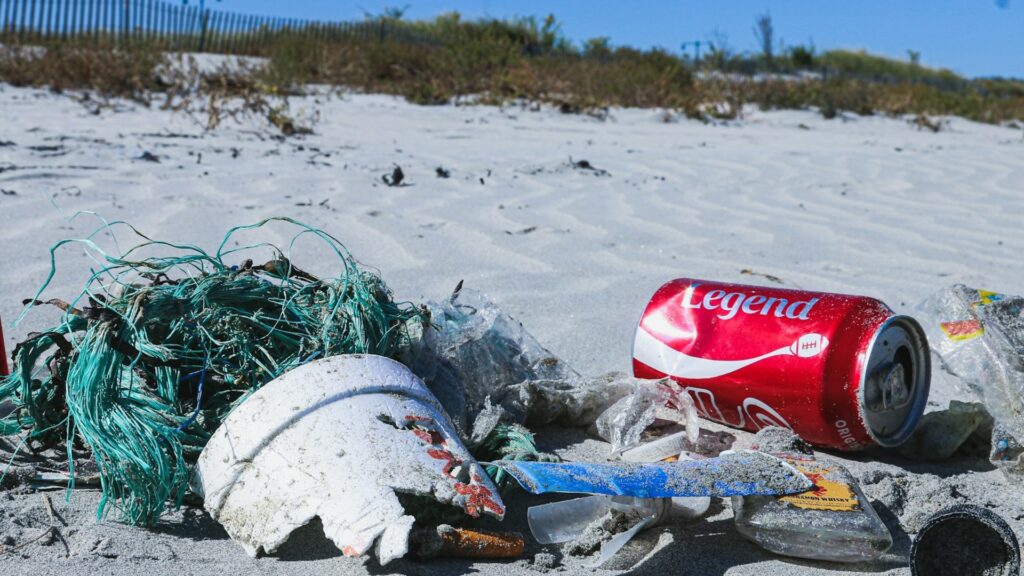
We began the day with a community clean-up around the Lighthouse. While the clean-up immediately improved the surrounding environment, it also provided the materials for the next activity. Rather than bringing in prepared resources, we used the waste collected by participants in an interactive waste sorting game. This helped learners see that the litter they collected could become a practical learning tool while reinforcing the principles of Reduce, Reuse and Recycle.
Participants worked in teams to sort waste into the correct categories, discuss creative ways to reuse everyday items, and answer questions about waste management, habitat protection and caring for nature. The activity encouraged teamwork, problem-solving and discussion while making environmental education enjoyable and relevant.
A species identification game introduced learners to some of South Africa’s wildlife by asking them to distinguish between species that are often confused, such as leopards, cheetahs and African servals. Beyond recognising physical differences, participants explored behavioural characteristics that make each species unique and learnt why understanding biodiversity is important for conservation.
Another popular activity was the True or False game. Learners responded to statements about habitat protection and waste management by moving to either the “True” or “False” side before explaining the reasons for their choices. This simple activity generated lively discussions and encouraged participants to think critically about the environmental decisions they make every day.
We also invited participants to complete a youth engagement questionnaire. Before finalising the Programme, we wanted to hear directly from the young people we hope to work with. Their responses will help ensure that future activities are shaped by their interests, concerns and aspirations rather than our assumptions.
What We Heard
 The young people we spoke to highlighted unemployment, substance abuse, crime and mental health as some of the biggest challenges they face. They also reported environmental issues, such as illegal dumping, water shortages and poor waste management as having a detrimental effect on their lives.
Many participants also said they would like to become more actively involved in developing leadership, communication, financial literacy and project management skills, with several indicating that they would be willing to volunteer in future Lighthouse activities.
The survey confirmed what we hoped to achieve through the engagement – that young people want to be involved, they care about their environment, and they want opportunities to make a meaningful contribution to their community.
What we learned
The turnout for the event far exceeded our expectations, and reflected the growing interest in the Lighthouse as a space for learning, participation and community engagement, as well as showing a genuine interest in Born Free’s work.
The days’ engagement achieved more than delivering a day’s activities, it gave us an opportunity to listen, build relationships and better understand the aspirations of the young people we hope to engage. It also highlighted the diverse possibilities a Programme like this presents, to meet both community and environmental needs, for example by addressing mental health and wellbeing through increased connection with, and time spent in nature, a link that is well documented.
The ideas and feedback gathered during the session will continue to inform the development of the Programme, ensuring that it remains community-informed, environmentally focused and grounded in the needs and ambitions of Paterson’s youth.