
The impact of 2026’s extreme weather
With record-breaking temperatures and exceptional dry weather here in the UK, how does this compare to other countries we work, and can we help wildlife on our doorstep?
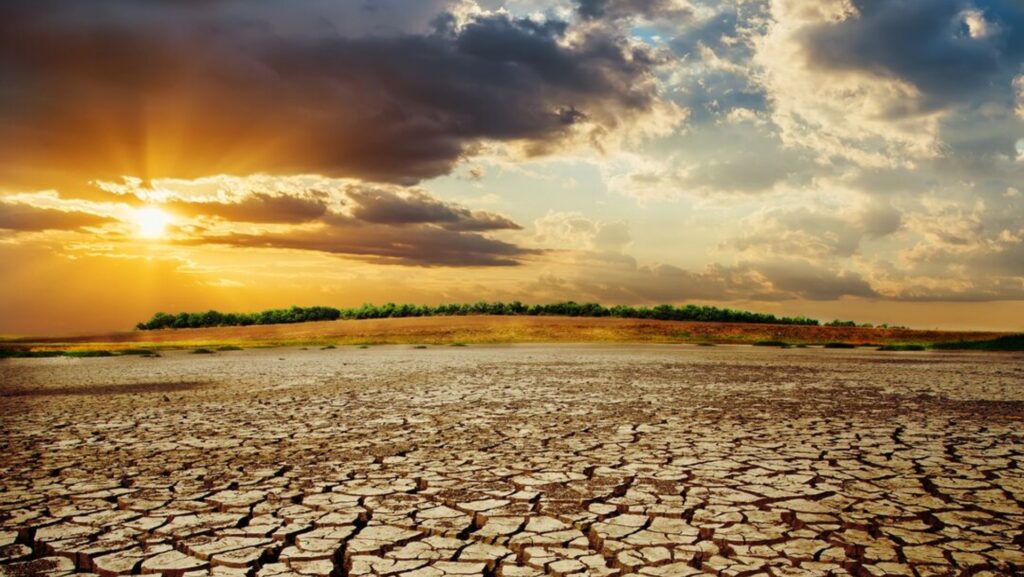
Parts of the UK are experiencing their fifth heatwave of the summer and, around the world, the effects of climate change are becoming increasingly evident.
We are certainly not alone in our unprecedented weather. Across Born Free’s key geographies – the countries where we work, many of our teams and partners have all faced unparalleled weather this year. The increasing pattern of weather extremes will likely become the new normal for many places, with regions plagued by unpredictability.
Cameroon
In Cameroon, in Central Africa, the rainy season has come with a vengeance to the southwest of the country, where our partner, Limbe Wildlife Centre (LWC) is located. Born Free has supported this highly respected organisation since 2004, not least the lifetime care of orphaned chimpanzees, and the rehabilitation of rescued grey parrots.
While rains at this time of year are normal, they have been incredibly intense this year. Across Limbe, a coastal city at the foot of Mount Cameroon, huge flooding has caused extensive damage, landslides, property damage and loss of life. At the wildlife centre, they have not avoided the flooding, with damage to some infrastructure. But thankfully, staff and animals remain safe at the moment.
As climatic extremes become more frequent, sanctuaries like LWC are having to adapt quickly to an ever-changing world, to effectively provide wild animals with a safe refuge.
India
Severe heat arrived in India in April this year, with temperatures recorded as staggeringly high as 48.3C. In fact, for one day that month, all the world’s top 50 hottest cities were in India – something which rarely happens.
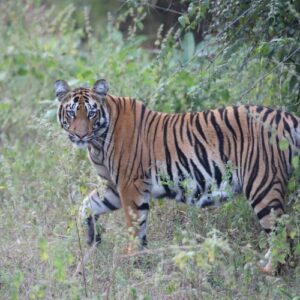 Born Free has helped local organisations protect tigers in Central India since 2004, through the Satpuda Landscape Tiger Partnership. Speaking about the challenges, Mandar Pingle, Deputy Director of one partner, the Satpuda Foundation, said: “In the heat of Central India, a drying water hole is not just an ecological loss, it is the spark for human-wildlife conflict.
“During the searing summer of 2026, temperatures across Central India routinely crossed 45°C, evaporating natural waterholes and pushing wildlife into fringe villages out of sheer survival. On this shared frontline, the distress of a thirsty tiger and a struggling farmer is the same.
“True conservation cannot exist without empathy for the communities sharing these borders. Securing water, shielding forest-edge livelihoods, and restoring climate resilience are no longer separate goals, they are one fight for our collective survival.”
South Africa
At the start of this year, devastating wildfires swept through South Africa’s Western Cape, with more than 100,000 hectares of land burned. Our partner, Panthera Africa Big Cat Sanctuary was at risk, and their animals had to be evacuated quickly to surrounding sanctuaries and centres.
This included the emergency move of four rescued servals and one lion to our sanctuary at Shamwari Private Game Reserve, in the Eastern Cape. Thankfully, due to everyone’s quick action and rapid support, all the Panthera Africa cats were safe.
With situations becoming increasingly unpredictable, both our rescue and care, and conservation work is ever more challenging. Resources may have to be re-deployed at any moment to urgently protect animals, people or an area.
Kenya
Kenya is a key location for Born Free, and our team champions conservation, and finds solutions to help local communities peacefully coexist with wildlife – not least lions, elephants and giraffes.
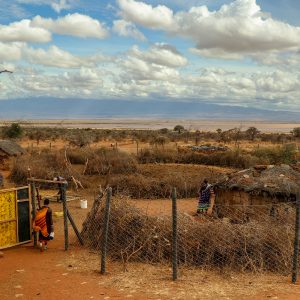
Boma in Amboseli (c) BFF, F Fortuna
“But in January, the Amboseli ecosystem recorded very extreme temperatures with hot and dry weather conditions,” explains Kisimir Saibulu, Born Free’s Amboseli Project Officer. “Then, from February all the way to end of April, we got a lot of rain. Grasses sprouted out in large quantities and things returned to normal.
“But now, the grasses have dried up and have started to disappear in many parts of the ecosystem. This of course is creating a lot of human-wildlife conflict, as livestock graze inside protected areas where grass remains. Conflict incidents are happening during the day, as livestock encounter lions on their grazing fields.”
The Meru ecosystem is another critical site for our work. With 13 rivers and diverse habitats, Meru is a haven for lions and many other species. We empower communities to protect rivers and champion equitable water use. But the rivers are drying up faster than last year. Wildlife and communities rely on water sources for survival, so acute dry conditions – like in Amboseli – can exacerbate tension.
Ethiopia
Ethiopia is no stranger to extreme weather, having borne the brunt of the climate crisis for some years. Repeated intense droughts and lack of rain make recovery increasingly difficult, with the effects of El Niño likely to be felt later in the year. This natural climate pattern occurs every two to seven years, and tends to push up temperatures, change global wind and rainfall patterns, and threaten crop production (see below). Scientists already warn that this year’s El Niño is on course to be the strongest in many decades.
Thankfully, so far this year, Born Free’s Ensessa Kotteh Wildlife Centre, close to capital city Addis Ababa in Central Ethiopia and home to rescued lions and cheetahs, has not experienced weather extremes, but the threat is never far away.
UK, and how you can help
In the UK, we are on track to have the hottest summer ever recorded, with June and July both the second warmest on record. England and Wales have just experienced another heatwave, with temperatures soaring up to 38°C.
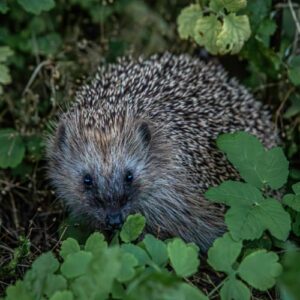 Like people, wildlife is hugely affected by the recent extreme heat. Many water sources have dried up, food is becoming limited and, as areas continue to dry out, the risk of fires increases. When the ground becomes too hard and dry, species such as badgers and hedgehogs struggle to dig for beetles and worms.
You can help wildlife cope with the heat by providing accessible water. It’s really simple. Fill a shallow dish with water, then place some stones in it to give insects somewhere to land or allow any animal which falls in to get out safely. To help keep wild animals healthy, change the water regularly.
You could also provide useful areas of shade, such as logs or rocks, where wildlife can shelter from the sun. And practise wildlife-friendly gardening – don’t use chemicals, leave areas to grow wild, and plant nectar-rich native flowers such as lavender and knapweed.
Why is this extreme weather happening?
We are currently experiencing an ‘El Niño’, which is when sea temperatures in the tropical eastern Pacific rise 0.5C above their long-term average. While this might not seem significant, it can create huge atmospheric upset, including altering the jet stream and changing precipitation patterns. The impacts of El Niño are felt across the world, including in the UK.
But the El Niño isn’t the only reason we are experiencing such fluctuations and extremes in weather patterns. Human-induced climate change has made these natural phenomenon’s more prominent and frequent. Rising carbon dioxide and other greenhouse gases (such as methane, which is produced naturally, but also by human activities – not least cattle farming) in the atmosphere enhance the ‘greenhouse effect’. This leads to more of the sun’s energy being trapped and causing the Earth to warm.
Plants and the oceans are key to absorbing some of the carbon dioxide released from human activities, but they can only do so much. The remaining gas goes into the atmosphere, causing the world to warm. Burning fossil fuels, changes to land use and deforestation, agricultural production and manufacturing have been some of the key contributors to increasing greenhouse gas emissions.
What is Born Free doing to help?
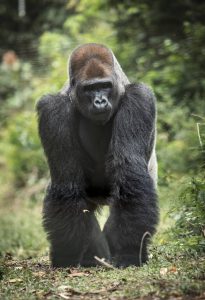
Nkamum (c) Ian Bickerstaff, Ape Action Africa
In Cameroon, where we are devoted to gorilla conservation around the northern fringe of the Dja Biosphere Reserve, we work closely with communities to re-use fallow land, equipping them with the knowledge and skills to cultivate these areas again.
This helps prevent further slash-and-burn of the forest, reducing deforestation. Trees are a key source of carbon capture – keeping them alive (and planting new saplings) allows them to continue extracting CO2.
Our Community Engagement teams work with school students and communities in Ethiopia, Kenya, South Africa, Cameroon and the UK to improve understanding of climate change. We equip them with some of the tools needed to better cope with weather extremes.
Each year in Kenya, Born Free and communities plant thousands of trees. This low-cost measure helps prevent soil erosion and protect water sources. We also support community-led Water Resource User Associations, which decide how communities will protect the rivers and catchments they utilise.
By monitoring amounts removed, and setting limits, communities supervise water levels and plan projects to conserve water, leaving enough water for rivers to continue to flow in Meru National Park for wildlife.
Our long-term databases of elephant, lions and giraffes in Kenya – one by one our team is getting to know every individual animal and learning how they behave – will help understand how these populations may be being affected by changing climate patterns.
In India, our partners work with communities to protect wildlife habitats. They help regenerate natural environments by removing invasive species and prevent cattle grazing in the forests. This helps keep wildlife safe, in shaded areas, without having to compete with humans and livestock for resources.
Across the world, the impacts of climate change are going to be increasingly felt. Your support helps us to continue working with communities to build resilience and protect wildlife. Thank you!
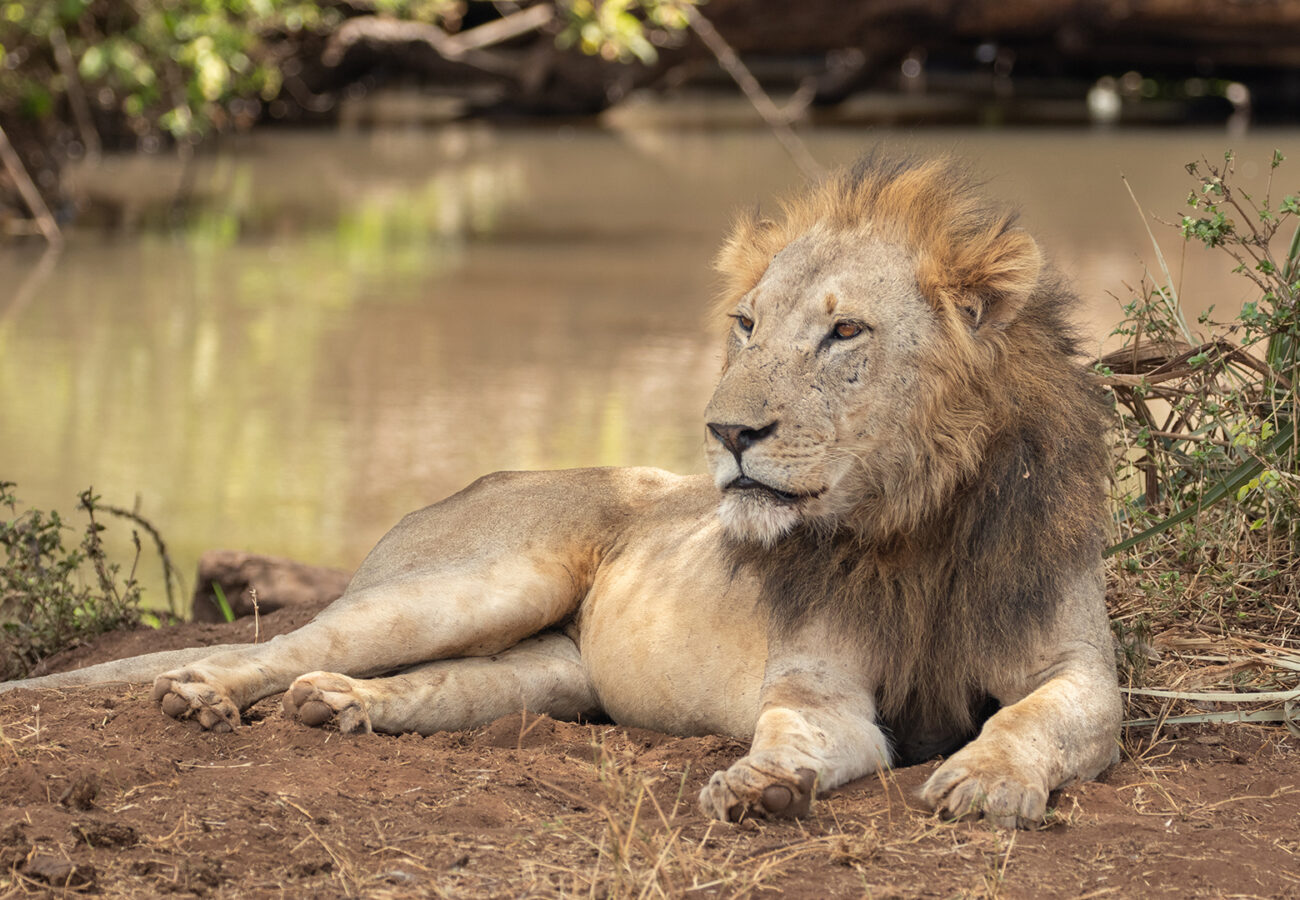
WANT TO SUPPORT OUR WORK?
Give a gift to Born Free today and with your support we can continue to work tirelessly to ensure that all wild animals, whether living in captivity or in the wild, are treated with compassion and respect and are able to live their lives according to their needs.