
South Africa progresses rhino horn trade plans
New plans published this month could mean disastrous impact for wild rhinos.
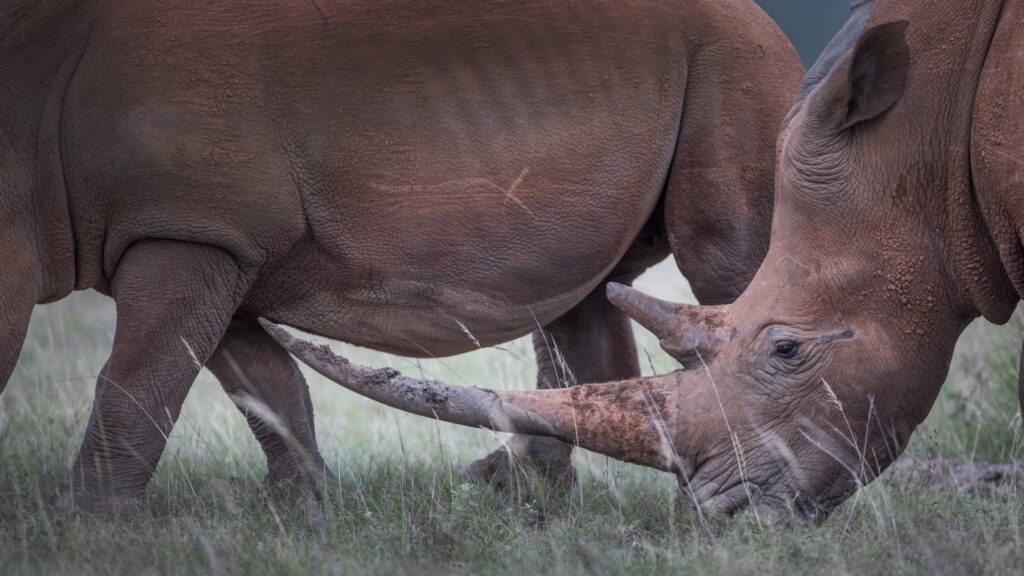
(c) georgelogan.co.uk
Born Free was disappointed to see South Africa’s new Biodiversity Management Plan for Black Rhinoceroses and White Rhinoceroses (BMP), published in April 2026.
This document is effectively the government’s blueprint of actions it intends to take over the coming decade with respect to its rhinos, and while it includes positive steps necessary for the conservation of the country’s rhino populations, it also makes clear the government’s intention to pursue both domestic and international commercial trade in rhino horn.
Back in July 2024, Born Free submitted a response to the government’s draft management plan, urging the South African government to rethink its plans to develop both domestic and international trade in rhino horn. It seems our concerns, alongside many others, have unfortunately been ignored.
At the time, the draft plan recognised that the illegal killing of rhino for their horns continued to be the primary threat to the conservation of both rhino species.
While poaching in South Africa has significantly decreased since its peak of more than 1,200 rhinos killed in 2014, there were still almost 500 rhino deaths attributed to poachers in 2023, and 352 in 2025. Clearly, this is no time for complacency or for the lifting of any rhino protection measures by the South African government.
The current Minister of Forestry, Fisheries and the Environment is a known supporter of the wildlife breeding and hunting industry, and was appointed in November 2025 following the sacking of his predecessor who, only a few days earlier, had presided over the completion of a formal process which would have finally initiated the phasing out of the captive lion industry, a long overdue decision which had the support of all South Africa’s nine provinces.
Regrettably, the current Minister appears to favour liberalising the rhino horn trade. This is a dangerous position to be advancing, given ongoing poaching coordinated by transnational organised crime networks to supply rhino horn into lucrative Asian markets.
The management plan envisions that by 2030 the government will develop a proposal to overturn the current ban in international commercial trade in rhino horn. Such a proposal would have to be approved by CITES, the international wildlife trade regulating body, in order to go ahead.
 If successful, the legalisation of such trade would further complicate the critical work of law enforcement agencies around the world and would legitimise rhino horn in the eyes of even more consumers, increasing demand and incentivising further poaching of rhinos wherever they are found. As Asian rhino range countries have clearly stated, the “possible opening of international trade of rhino horn and other derivatives will have a severe detrimental impact on rhino populations in Asian rhino range countries.”
In November last year, Namibia had two proposals concerning its rhino populations on the table at the CITES meeting in Uzbekistan, one of which was to sell more than 4.6 tonnes of horn from black rhino, a Critically Endangered species. Thankfully, both proposals were voted down, but Namibia’s proposals highlight the ongoing intent by certain countries to push for trade in species that continue to be embroiled in a poaching crisis.
Some fear that such proposals, which raise the possibility of international trade reopening, are enough to make a difference in the market by stimulating demand and raising prices in anticipation.
As for the stated intention for South Africa to “develop and implement a strategy for regulated domestic trade in rhino parts and derivatives” by 2027: since there is little if any demand within the country itself, the promotion of rhino horn trade would presumably be focused on potential Asian consumers visiting South Africa with the intention of taking rhino horn back to their home country. How this would work under the stated timeline for the attempt to re-open international trade is unclear.
Gabriel Fava, Senior Policy Advisor for Born Free said: “These are critical decisions being made at senior levels of government in a country with the world’s largest population of rhinos, but with potentially dramatic and irreversible impacts on rhinos throughout their global range. Given the complexity of the trade, the dexterity of trafficking networks, and with rhino horn still fetching prices of up to US$20,000 a kilo on the black market, legal trade can never be a solution to illegal trade. South Africa is playing with fire.”
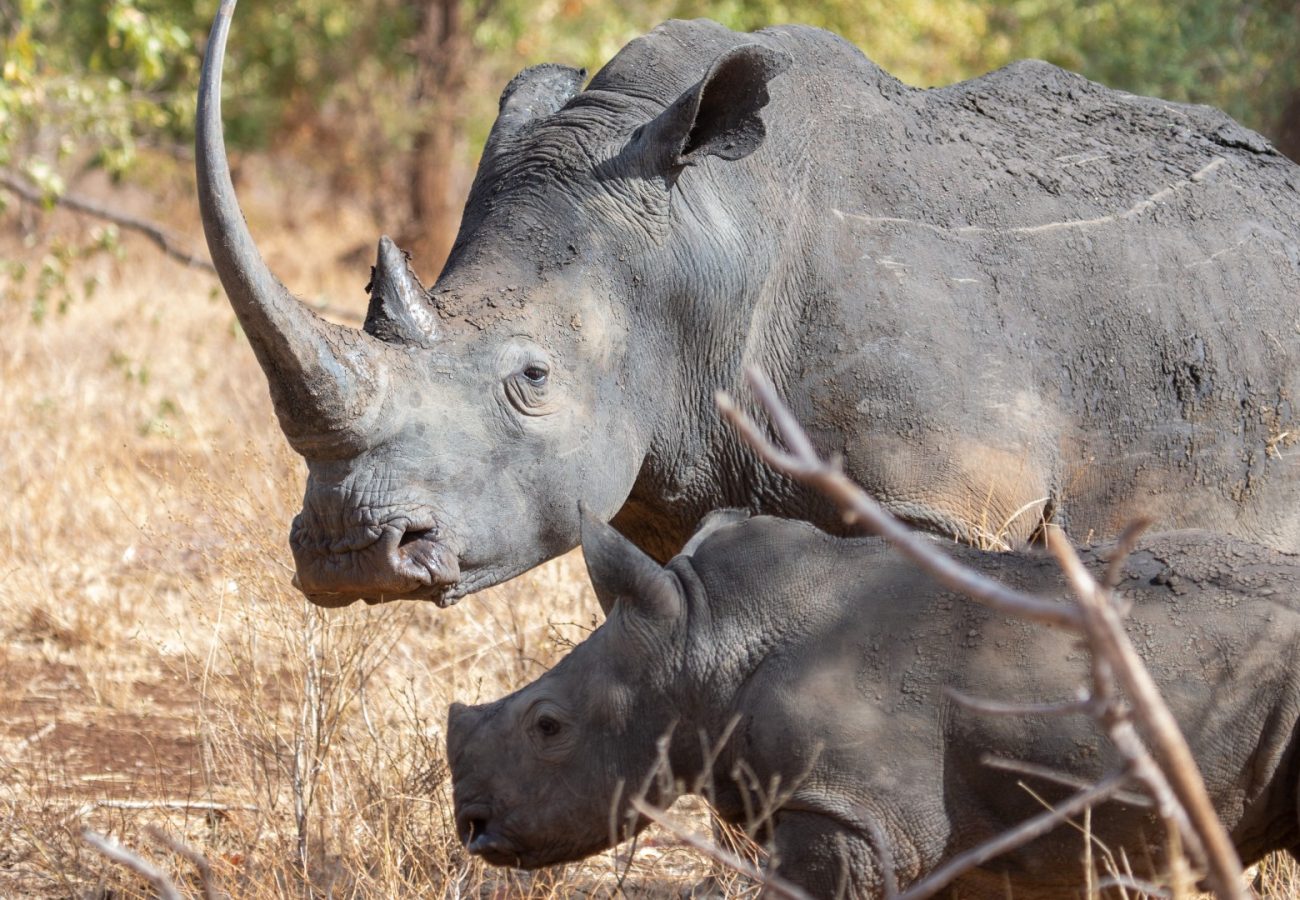
WANT TO HELP RHINOS?
In the 1980s, Meru National Park in Kenya saw a catastrophic loss of wildlife at the hands of poachers, including all of its rhino. By adopting our rhino family, you will help us to protect and encourage a healthy reintroduced rhino population back in the park and protect the habitat where they live.