
Rescued Ethiopian cheetah cub update
Born Free is deeply saddened to share that the four cheetah cubs rescued earlier this year by our Ensessa Kotteh Sanctuary in Ethiopia have tragically died, despite intensive expert care.
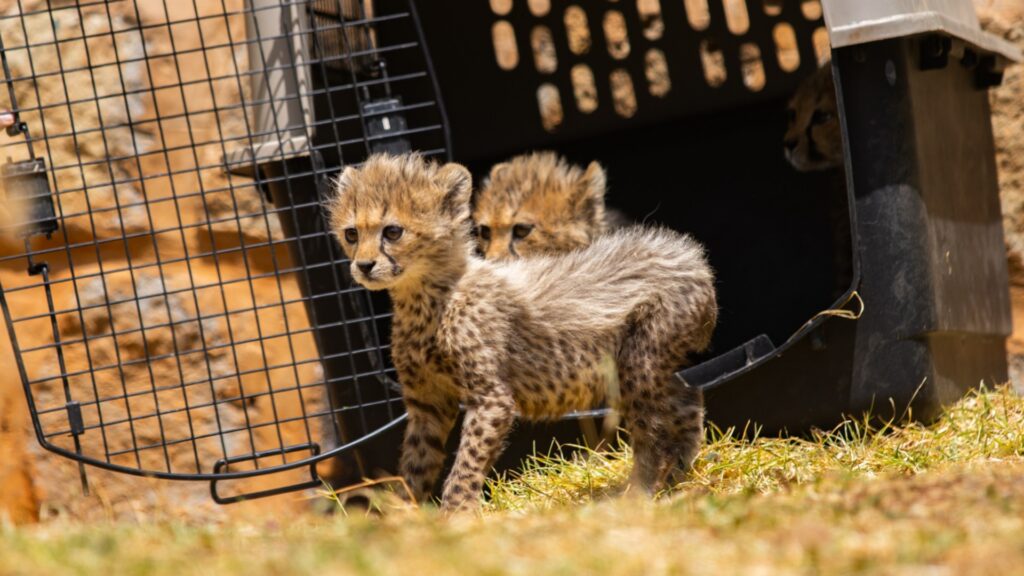
Two of the cubs at Ensessa Kotteh (c) Peter Ndung’u
It is with great sadness that we are sharing a devastating update about the cheetah cubs rescued earlier this year by Born Free’s Ensessa Kotteh Sanctuary in Ethiopia.
Back in January, our dedicated team in Ethiopia took in four tiny cheetah cubs after they were confiscated by our partners at the Ethiopian Wildlife Conservation Authority (EWCA), having fallen victim to the illegal wildlife trade.
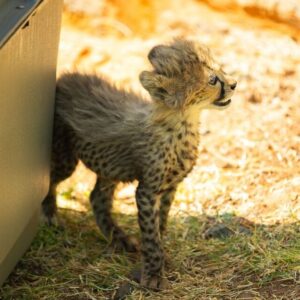
(c) Peter Ndung’u
From the moment they arrived, all four cubs were in an extremely fragile condition. Having been taken from their mother at a very young age, they had already been deprived of the specialist care, nourishment and protection cheetah cubs need in the earliest stages of life. We know from decades of rescue experience that young cheetahs are especially vulnerable in these circumstances and are among the most difficult animals to care for in captivity.
Despite round-the-clock care and the dedicated efforts of our expert team, one cub passed away a few weeks after arrival as a result of complications associated with his poor condition. The remaining three cubs continued to receive intensive support, but sadly their health remained extremely vulnerable.
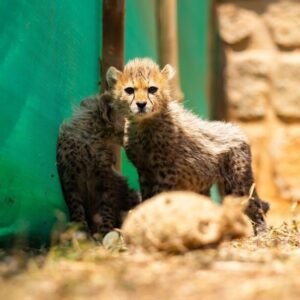
(c) Peter Ndung’u
In May, the three surviving cubs became seriously unwell and were found to have contracted Feline Panleukopenia Virus (FPV), a highly infectious and potentially fatal disease, particularly dangerous for young animals with already compromised health. Heartbreakingly, all three cubs passed away within a short period of time.
For our Ensessa Kotteh team, this is truly devastating. They fought tirelessly for these cubs under incredibly difficult circumstances and did everything possible to give them a chance of survival.
Dr Sisay, Vet Consultant at Ensessa Kotteh said: “This is a deeply sad outcome for our team. The cubs arrived in an extremely fragile condition, and although they faced significant challenges from the outset, our staff worked tirelessly to care for them and support them through an exceptionally difficult period. In cases such as these, where animals have suffered severe compromise early in life, their ability to recover and respond to treatment can be limited.”
What is Feline Panleukopenia Virus?
Feline Panleukopenia Virus (FPV), sometimes referred to as feline distemper, is a highly contagious viral disease that affects members of the cat family. In young animals, especially those already weakened by poor early nutrition, stress or illness, it can be extremely serious.
Is FPV a risk to other animals at Ensessa Kotteh?
At this stage, the risk to other animals at Ensessa Kotteh is considered low. Fortunately, none of our other animals have developed symptoms. Nevertheless, strict biosecurity protocols continue to be implemented across the sanctuary, with additional precautionary measures in place to reduce any possibility of spread.
The loss of these cubs is a heartbreaking reminder of the cruelty of the illegal wildlife trade. Even when animals are rescued, the damage caused in the earliest days and weeks of life can be irreversible. Our thoughts are with the team in Ethiopia, who gave these cubs extraordinary care and compassion, and who are grieving this profound loss.