
Remembering Shankar the elephant: one year on
After her long campaign to give Shankar a better life, Born Free Ambassador Nikita Dhawan remembers the elephant who died at Delhi Zoo, in India, a year ago today.
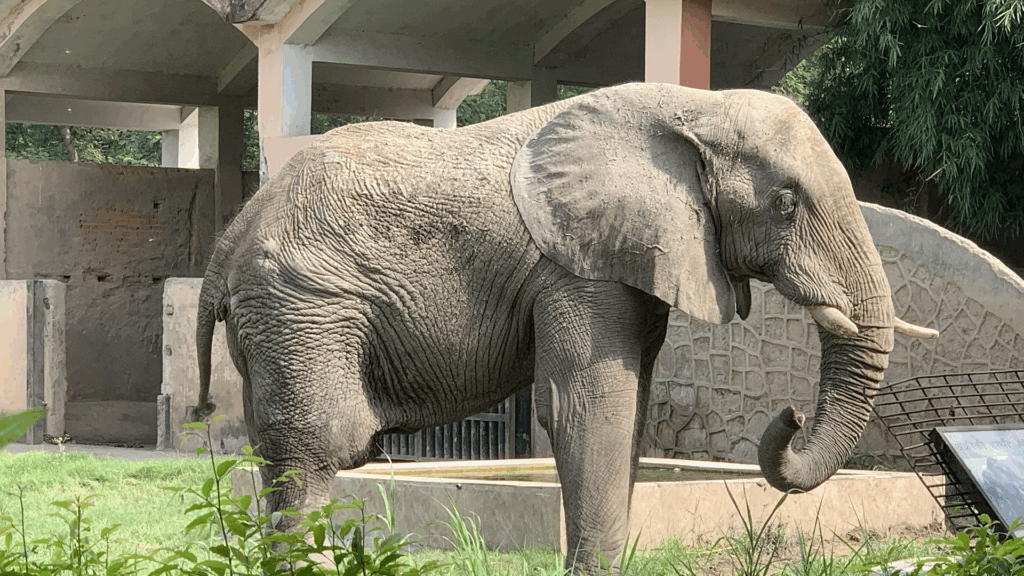
Shankar the elephant (c) Nikita Dhawan
When I first saw Shankar at the Delhi Zoo, I noticed his hooded eyes, wrinkled and heavy with the weight of 16 years of isolation. Chained for 17 hours a day, he swayed neurotically to the rhythm of cheering children and blaring city trains. Even if you had never seen an elephant before, you could tell he was suffering.

Nikita Dhawan
I decided to take action. Through my own organisation, Youth for Animals, the team and I gathered evidence on Shankar’s conditions from vets, elephant specialists and other animal activists. After contacting more than 50 sanctuaries, we secured two fully funded potential homes for Shankar. We then filed a petition in the Delhi High Court seeking his transfer.
The court ordered an inspection of Shankar and we had several hearings, but ultimately the case was transferred to the Supreme Court’s High Power Committee for final decision. Unfortunately, before any further action could have been taken, Shankar passed away last September, aged just 29 years old – a tragically young age for an elephant to die.
Looking back, Shankar’s story taught me a lot of things. Firstly, how easily we can overlook psychological suffering in animals. People often judge welfare through physical health, even when abnormal behaviours, such as an elephant pacing and head bobbing, can signal deep distress. In captivity, animals like Shankar can have little control over their environment, and develop repetitive behaviours often described as ‘zoochosis’.
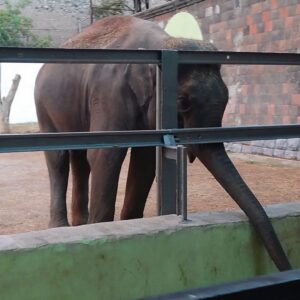
Bunka (c) Mark Stratton
Secondly, I realised that Shankar was not an isolated case. High-profile individuals such as Lucy living alone in Edmonton Valley Zoo, Canada; lonely Bunka in Yerevan Zoo in Armenia; and Happy, who died at New York Zoo this May after a long campaign to move her to a sanctuary, have all become symbols of the wider debate around keeping elephants in captivity.
While awareness of the demerits of keeping wild animals in captivity has grown, many elephants around the world still live in environments that cannot meet their complex social and physical needs. For example, Born Free’s 2022 report, Elephants in Zoos: A Legacy of Shame, examined more than 800 elephants in European and North American zoos and highlighted shortened lifespans, infant mortality, inadequate social opportunities and abnormal behaviours among captive elephants. More importantly, the report raises a fundamental solution: phasing out the keeping of elephants in zoos altogether.
But ending elephant captivity cannot happen through policy changes alone. It also requires changing how the public, especially younger people, think about animals. For example, children should be encouraged to see animals like Shankar with empathy, rather than simply as something to pass by on a field trip. Born Free is helping support this shift by training teachers around the world, including 129 educators across 25 countries through its recent Empathy Week session, to think more critically about captivity and the role of zoo visits in education.
Shankar’s story is a reminder of how we must extend our empathy to animals too. In his memory, I hope we can turn his loss into renewed action and continue working to secure freedom for others like him.
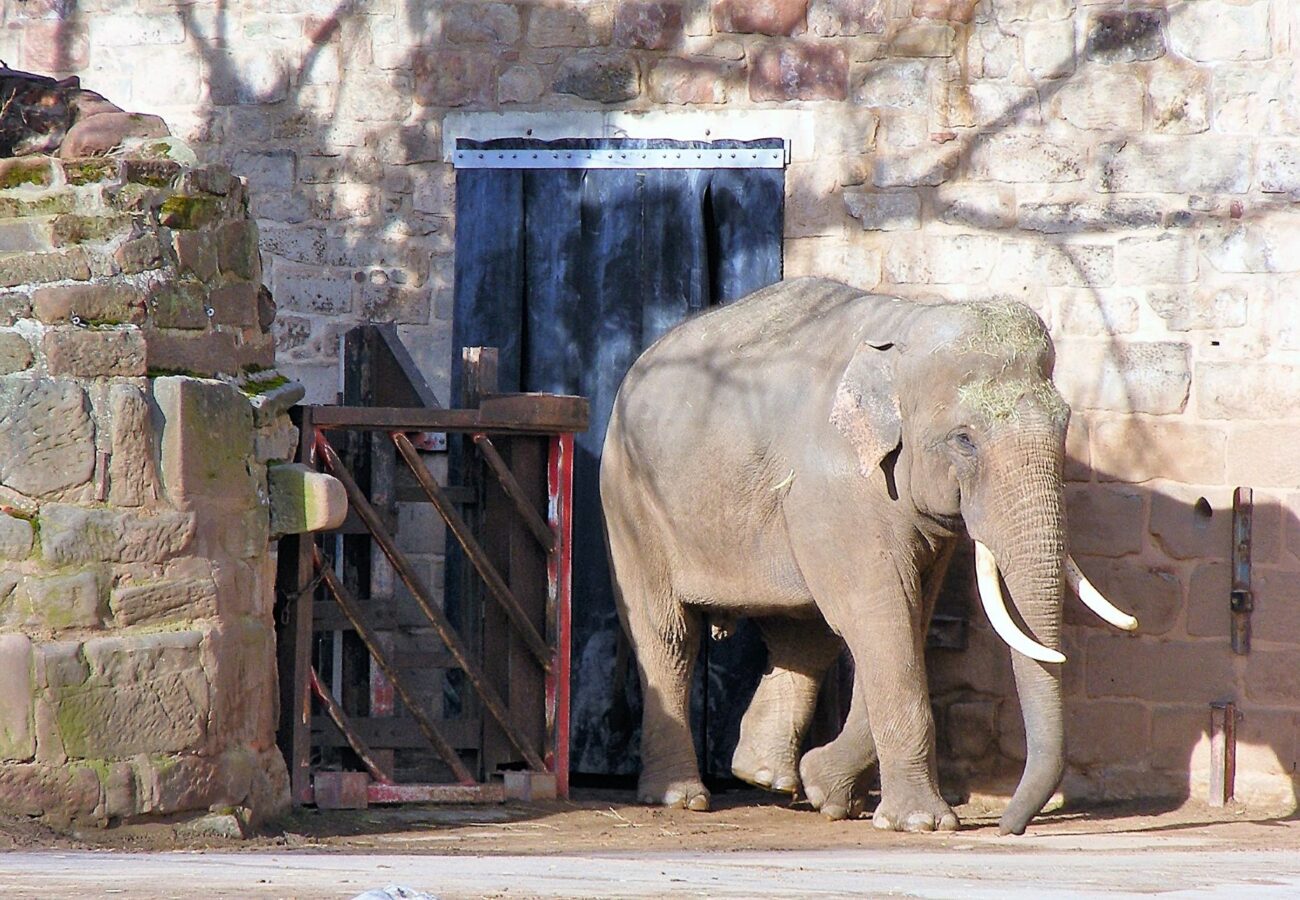
Speak up for elephants
Born Free is calling on the UK government to end the keeping of elephants in captivity, and be an example to the rest of the world. You can join our campaign and sign our ‘Elephant-Free UK’ petition today.