
Remembering Craig, the super tusker
A 54-year-old elephant has died in Kenya’s Amboseli National Park. With tusks so long they almost touched the ground, Craig was one of Africa’s last ‘super tuskers’, and a conservation icon.
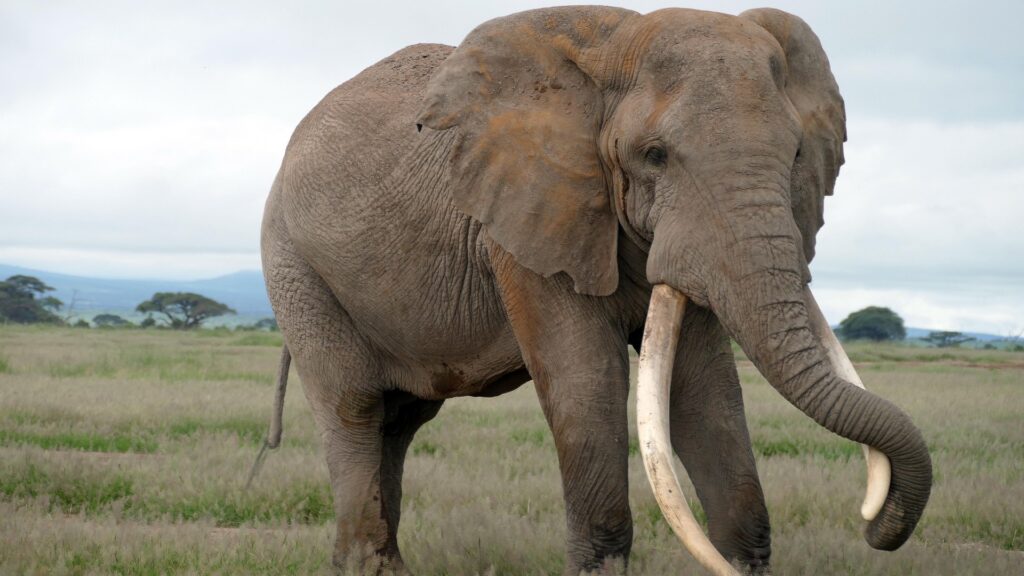
A photo of Craig (c) Amboseli Trust for Elephants
Born Free was saddened to hear of the death of the legendary super tusker Craig, in Kenya, but grateful we could help this mighty 54-year-old live in safety for so many years. Every single elephant matters, and plays a unique role in their population.
“Craig was beloved by many people, but particularly the local community,” said our long-term colleagues at the Amboseli Trust for Elephants, in their farewell message, earlier this month. “Born in January 1972, to Cassandra of the CB elephant family, we suspected he had a twin sister, Cerise – matriarch of the CB family today.
“Craig led a long life and no doubt fathered many calves. Thanks to his many protectors, he died peacefully of natural causes. Craig represented all that is wondrous about the Amboseli elephants.”
Interestingly, Amboseli Trust for Elephants – founded by Dr Cynthia Moss – was Born Free’s very first supported field project, in 1992. We’ve been funding their world-famous mission to monitor elephant families ever since. With our help, they’re getting to know every single one of the 1,800 or so elephants in this 150-square-mile park, at the foot of Mount Kilimanjaro.
What’s a super tusker?
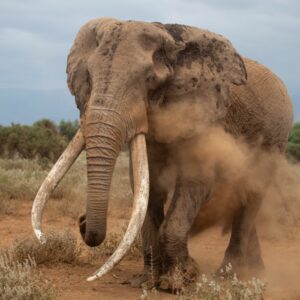
Craig (c) ATE
Known for his calm demeanour, and a popular subject for photographers and filmmakers, Craig was also renowned for his colossal tusks. He was one of Africa’s last remaining super tuskers – a rare group of bull elephants whose tusks weigh more than 45kg. Super tuskers are a potent symbol of wild Africa, and a massive draw for eco-tourism, helping generate vital funds.
Super tuskers play a key role, helping guide younger males in bachelor herds, teaching essential life skills and keeping any unruly behaviour in check. Through their vast size they are particularly important ‘ecosystem engineers’, helping modify and maintain habitats for other species – not least digging for water in dry riverbeds, and dispersing seeds in dung, after feeding on huge quantities of plants.
You can help
With your support, Born Free will continue to do everything we can to protect elephants from conflict with people, ivory poachers, trophy hunters (thankfully this is illegal in Kenya), and captive exploitation. It is our honour to do everything we can to keep these majestic, sensitive animals safe, where they belong, for future generations. Do you feel the same way?
You can support our life-changing work for elephants, not least in Amboseli National Park, by adopting the Elephant Family today. Mammoth thanks for caring about these soulful giants as much as we do!
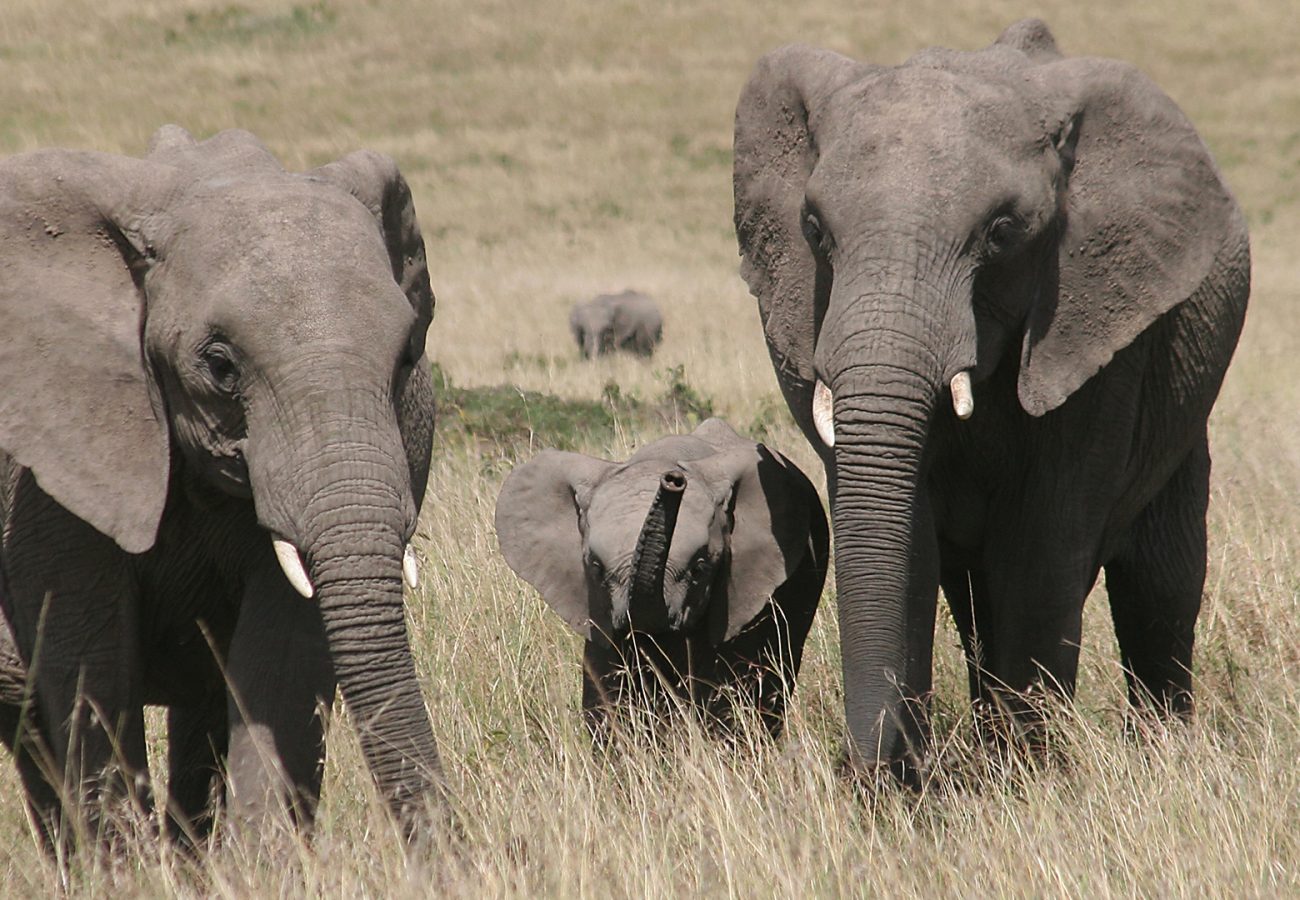
LOVE ELEPHANTS?
Adopt an elephant with Born Free today, to help protect wild African elephants from habitat loss, conflict, trophy hunting and the ivory trade.