
Primates as pets: Apollo and Bobby’s Story
Two rescued marmosets offer a glimpse into the devastating effects that being kept as a pet can have on primates, as new licensing laws look set to fail before they even begin.
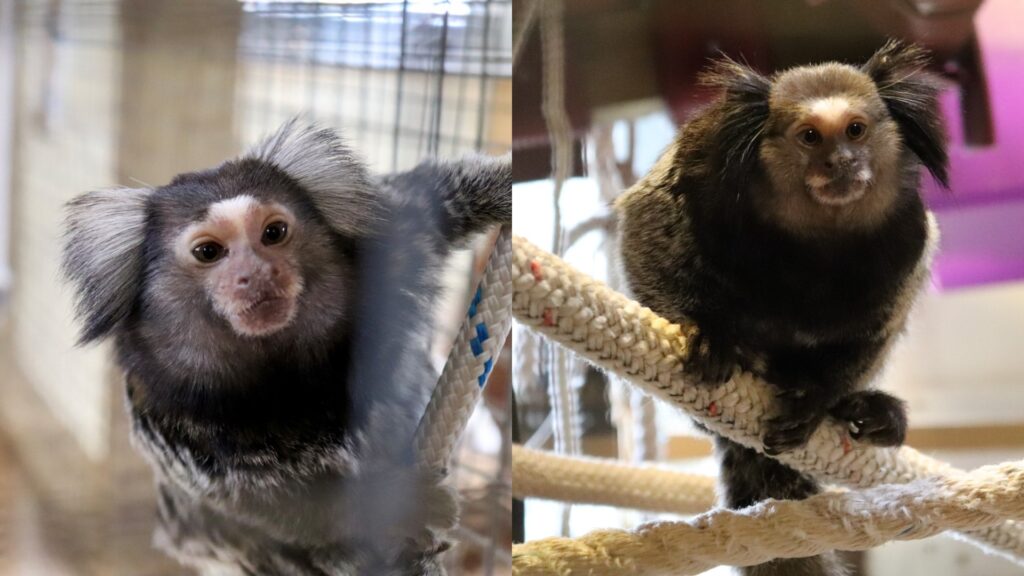
Bobby (L) and Apollo (R) are now safe at the Wild Futures Sanctuary (c) Wild Futures
This week, Born Free exposed a distressing lack of knowledge and compliance ahead of the introduction of a new law designed to protect monkeys, such as marmosets and other primates, being kept in private homes as ‘pets’ in England. Our research revealed that hundreds of pet owners in England could soon be breaking the law, potentially putting thousands of primates at risk of being kept illegally in unsuitable conditions.
Born Free believes they are fundamentally unsuitable to be kept as pets in domestic environments. As a result, many are rescued from harmful and neglectful environments. Many primates taken in by specialist sanctuaries, such as Wild Futures in Cornwall, have been kept in tiny cages with no access to sunlight or the outdoors. They have often been fed inappropriate diets which cause long-lasting and chronic health conditions and have frequently been kept alone causing severe psychological distress and the development of abnormal or self-harming behaviours.
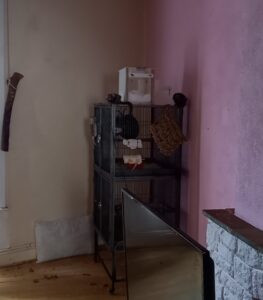
Apollo and Bobby sitting on top of their cage in their previous home
In 2023, two marmosets, Apollo and Bobby, were rescued from a private home by staff from Wild Futures. They had been kept in a small cage in a living room. Bobby was suffering from severe, life-limiting bone conditions as a direct result of his time as a pet. Thankfully, both Apollo and Bobby are now looked after by experts and are finally able to experience sunlight, space, a complex environment, a natural diet, and the opportunity to express normal, natural behaviours.
Cases like Bobby and Apollo make the potential failure of this legislation all the more distressing, especially given that many experts and animal welfare organisations, including Born Free and Wild Futures, were initially promised a total ban on the keeping of primates at pets, an outcome for which the charities had long campaigned. When this did not materialise, the new regulations were cautiously welcomed on the basis that, if enforced effectively, they could significantly limit the number of individuals keeping primates over time and could improve the welfare conditions of those currently being kept. However, the staggering lack of applications for primate licences provides little confidence that the regulations will be effective.

Bobby’s Xray showing bone disease (c) Wild Futures
Sarah Hanson, Director of Wild Futures said, “Wild Futures wants to see a total end to the UK primate pet trade. Primates are intelligent, socially complex, wild animals, inherently unsuitable for keeping in a domestic setting. We see first-hand the devastating effect that being kept as a pet has on primates. 87% of our rescued marmosets never had outdoor access, and many of our rescued monkeys were fed inappropriate diets including sweets and chocolate causing some of them to develop diseases such as diabetes. As long as there is a UK primate pet trade and private primate ownership, there will be primates kept in inappropriate conditions, with welfare severely compromised.
“The new regulations are not the ban that many of us have been calling for. However, we were hopeful that, if enforced correctly and supported by sufficiently rigorous guidance, the new regulations could have a meaningful and positive impact on primate welfare and be a step towards our goal of ending private ownership of primates in the UK. We are alarmed and saddened by Born Free’s data which clearly shows a failure of government to raise awareness of the new licence requirements. We join Born Free in urging the government and local authorities to ensure that people are made aware of the new licensing requirements and that they remain true to their promise of effective implementation and enforcement so that every privately held primate receives the best possible standards of welfare, which is the least that they deserve.”
The new legislation comes into force in April 2026 (10 weeks from now) and requires all private keepers of primates in England to obtain a licence for their animals before then. Any private individual keeping a primate on the 6th April deadline, without a licence, will be doing so illegally, and could face an unlimited fine or even jail.
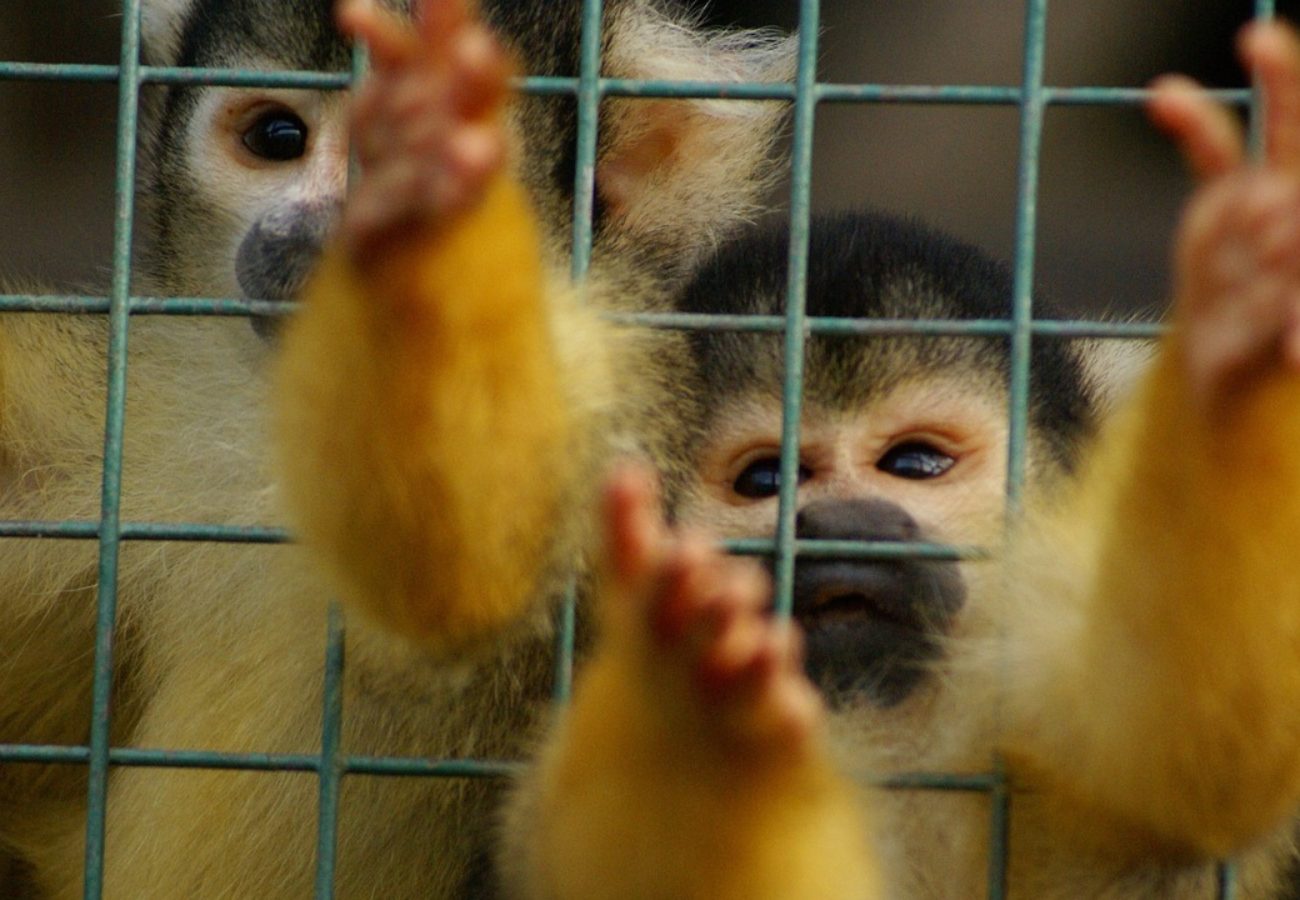
PET PRIMATES
Born Free is convinced no regulatory system can safeguard the welfare of primates when kept privately and that a ban on the trade and private keeping of all species of primates should be introduced across the UK.