
Pet primates at risk in England
Shocking new Born Free data, released today, reveals the failings of new primate ownership legislation before it even comes into force.
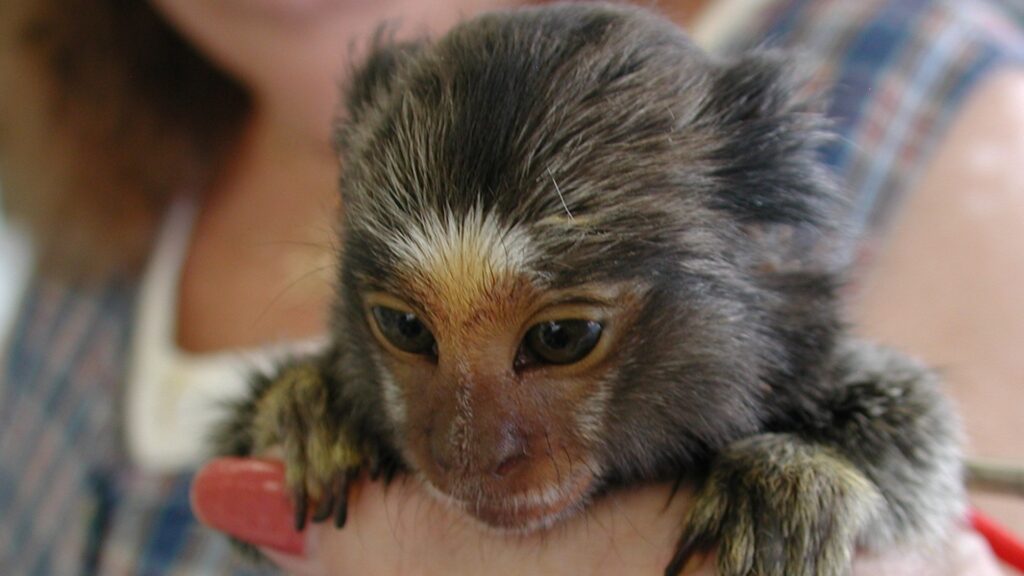
(c) S Kinmartin
Hundreds of pet owners in England could soon be breaking the law, potentially putting thousands of primates at risk of being kept illegally in unsuitable conditions. New data, released today by Born Free, exposes a distressing lack of knowledge and compliance ahead of the introduction of a new law designed to protect monkeys, such as marmosets and other primates, being kept in private homes as ‘pets’ in England.
The new legislation comes into force in April 2026 (10 weeks from now) and requires all private keepers of primates in England to obtain a licence for their animals before then. Any private individual keeping a primate on the 6th April deadline, without a licence, will be doing so illegally, and could face an unlimited fine or even jail.
Despite these penalties, and the fact that the window for applications has been open for nearly a year, our investigation through 294 Freedom of Information requests to local authorities, reveals only three applications for licences have been made across the whole of England. Those licence applications cover just 11 animals in total, and to date, only one licence has been granted, with the other two pending. Just one authority confirmed it was liaising with a current primate owner.
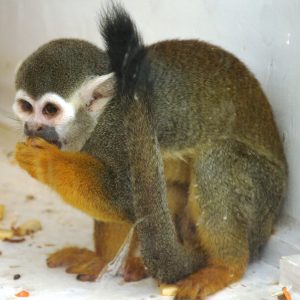
Squirrel Monkey
Given the government’s estimates suggest there could be up to 5,000 primates being kept as pets in the UK, there is clearly a shocking and deeply concerning discrepancy – meaning many hundreds of animals, unknown to the authorities, will remain in potentially unsuitable or harmful domestic settings.
Born Free believes most private owners will be unable to meet the standards required by the new regulations, such as having appropriate social groupings and providing access to both indoor and outdoor areas with shelter, shade, natural planting, and space for climbing and privacy, making it even more unlikely they’ll apply for a licence, knowing it won’t be granted.
Chris Lewis, Born Free’s Captivity Research and Policy Manager said, “Primates are complex, intelligent animals whose needs cannot be met when kept as a pet. Although not the complete ban which experts and primatologists advocated for, the introduction of the Animal Welfare (Primate Licences) (England) Regulations represented an important step towards protecting privately kept primates, but their success depends on effective implementation and strict enforcement.
“The government’s recently published Animal Welfare Strategy states that government will ensure the licensing scheme is effectively implemented. However, it is evident there has been a singular lack of effort by the current government to raise awareness of the new regulations and their implications among primate keepers and the wider public. As a result, the legislation appears on course to fail before it has even come into force, leaving thousands of primates facing an uncertain future, and resulting in mass illegality.
“Since their announcement two years ago, successive governments have failed to raise awareness of these regulations and their implications. Without full compliance, primates remain at serious risk of enduring neglect, poor living conditions and hidden suffering. We urge local authorities and the government to ensure primate keepers and the wider public are made aware of the regulations and that their associated protections are implemented robustly so that every primate in England receives the high standard of care they deserve.”
The next steps
Based on our findings, Born Free is calling on the government to:
- Ensure primate keepers and the wider public are made aware of the new licence requirements.
- Ensure local authorities are properly resourced and supported to carry out meaningful inspections to ensure that owners meet the requirements set out in the regulations.
- Commit to a Post-Implementation Review (PIR) of the new regulations two years on from 6th April 2026.
- Develop urgent plans to support the expansion of suitable, species-specific sanctuary capacity for primates no longer able to be kept legally.
Primates are wild creatures that deserve protection and to live as nature intended. They are not animals to be kept as ‘pets’ in people’s homes. Born Free will continue to call for a complete ban on the keeping of primates as pets in Britain.
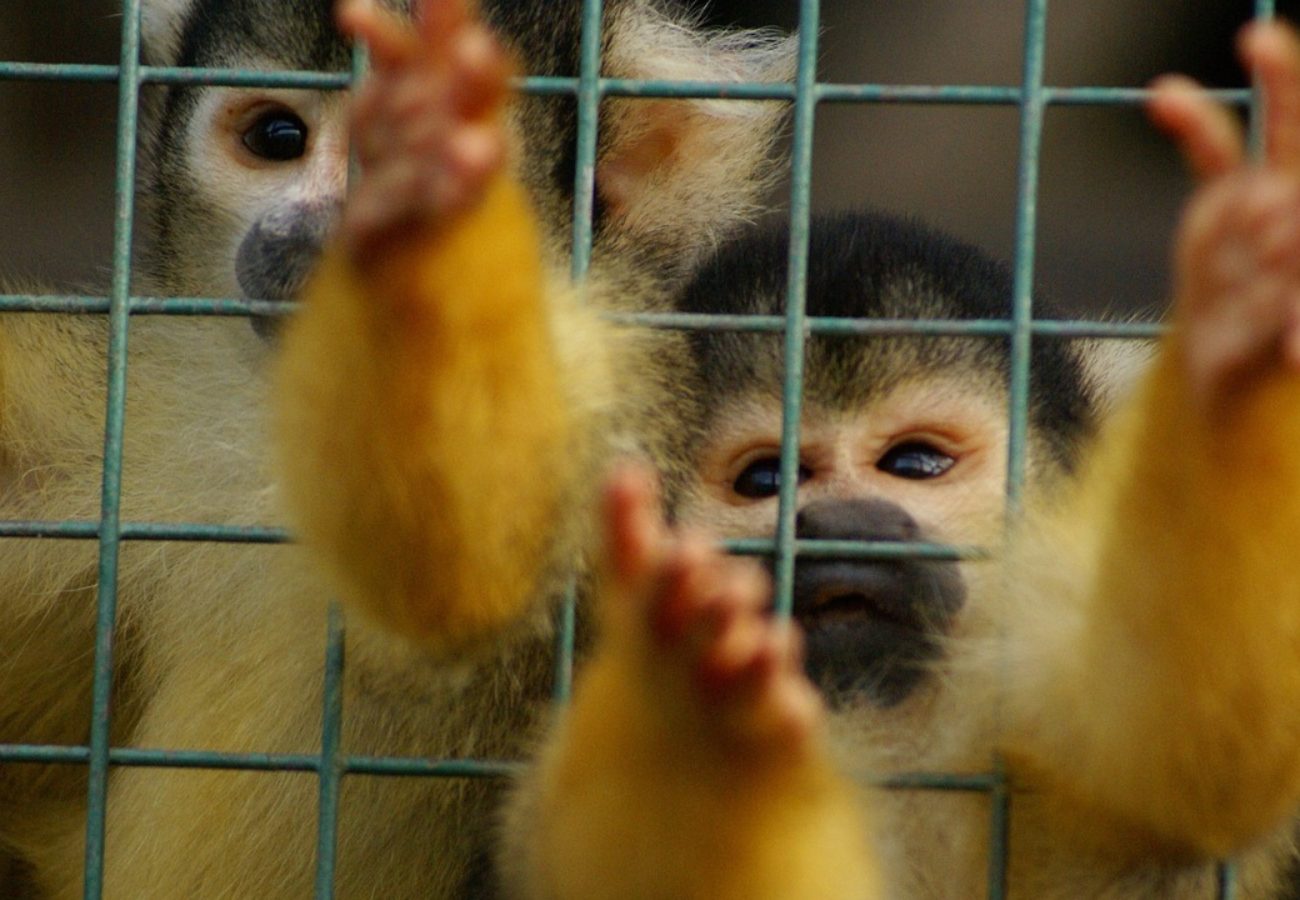
PET PRIMATES
Born Free is convinced no regulatory system can safeguard the welfare of primates when kept privately and that a ban on the trade and private keeping of all species of primates should be introduced across the UK.