
Pets you never knew were legal in the UK
The demand for wild animals as pets is growing, but what species can and can’t be legally kept in the UK? Born Free’s Captivity Research & Policy Manager Chris Lewis looks at current legislation and what it means for the many thousands of wild ‘exotic’ animals kept as pets.
Is it illegal to keep wild animals as pets?
Sadly, it is currently legal to keep almost any wild animal as a pet in the UK unless there is legislation in place which specifically bans the keeping of that breed or species.

Chris Lewis, Captivity Research & Policy Manager
In the case of wild animals, species which are banned are identified on the list of invasive non-native (alien) animal species and include terrapins (Trachemys scripta), raccoons (Procyon lotor) and Siberian chipmunks (Tamias sibiricus). Individuals who possessed an invasive species prior to their listing are able to retain ownership of the animal on the condition that they do not breed, sell or release the animal. Separate legislation covers native UK species. The Wildlife and Countryside Act 1981 lists a number of protected UK native species which cannot be taken from the wild.
This approach is what’s known as a ‘negative list’ system and is clearly outdated and no longer fit for purpose.
Dangerous Wild Animals Licence
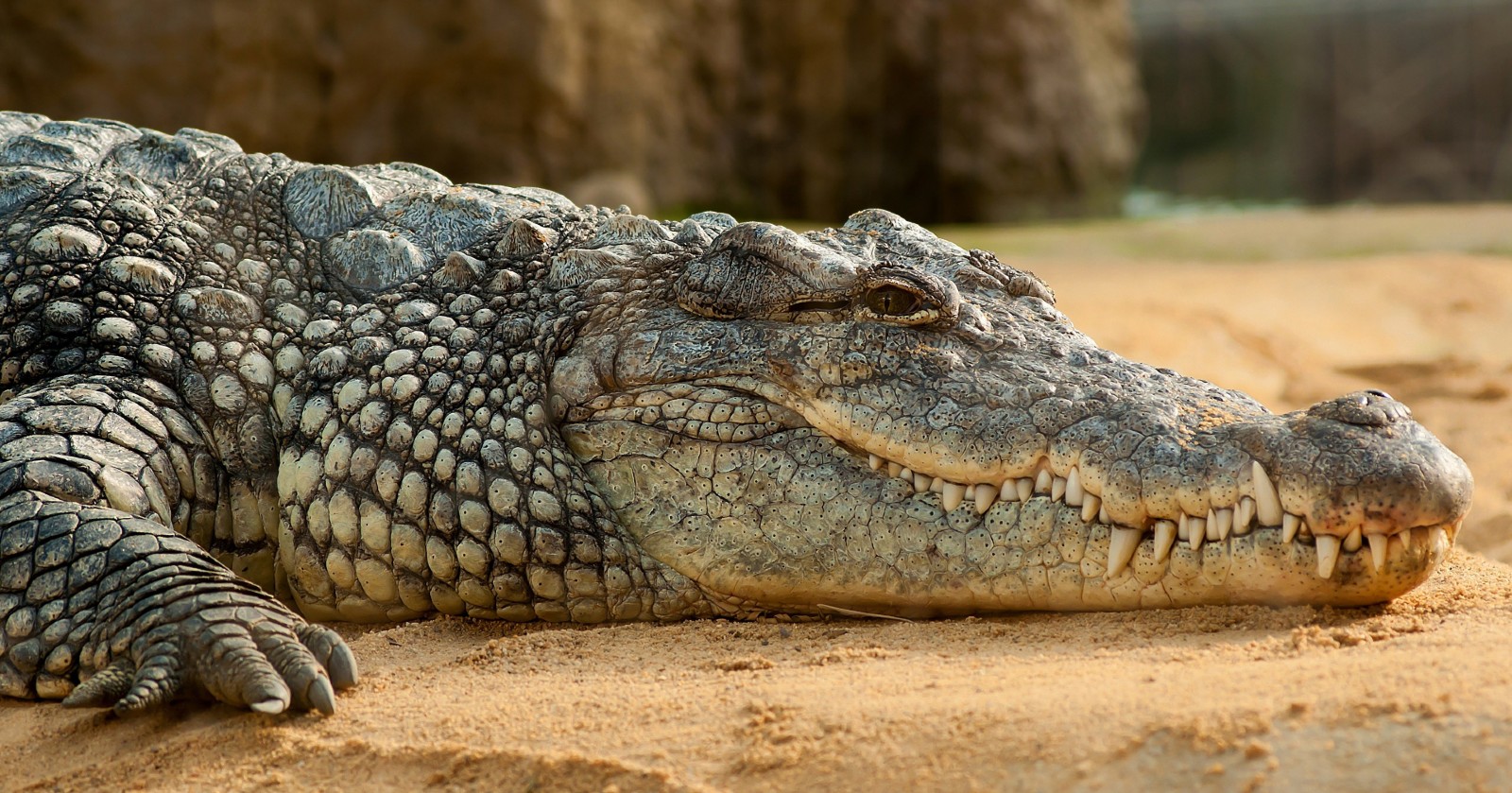
Beyond outright bans, some wild animals require a licence to keep legally. Species classified as ‘dangerous’ under the Dangerous Wild Animals Act 1976 require owners to obtain a licence from their local council. This includes dangerous animals like big cats, primates, venomous snakes, crocodilians, and elephants.
The Act however is almost 50 years old and has failed to keep pace with the ever-growing trend of owning exotic animals as pets. Its intention was to make the keeping of dangerous captive animals a ‘wholly exceptional circumstance’, however trends indicate the opposite has been occurring in recent years.
The vast majority of wild animal species can be kept without any licence, registration, or oversight whatsoever. This includes many animals that would be considered dangerous in zoo settings, such as large constrictor snakes, monitor lizards (including Komodo dragons), many species of venomous invertebrates, and numerous other exotic species.
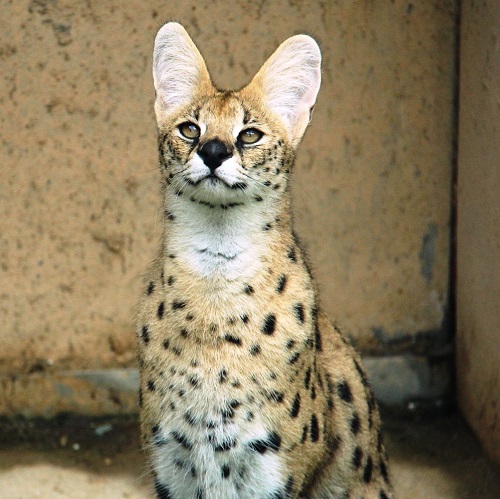
In 2023, Born Free’s research discovered at least over 200 wild cats (including lions, tigers, lynx and more), 250 primates, 400 venomous snakes, two elephants and many other species classified as dangerous being kept privately in Great Britain. The Act is mainly concerned with public health and safety, and animal welfare is very much a secondary consideration. As Born Free’s research clearly demonstrates, the welfare of many species covered by the Act cannot be fully met in a captive setting and owners do not have the necessary qualifications, experience or facilities to meet those needs.
Born Free is increasingly concerned by the number of wild animals being traded and kept as exotic pets, both legally and illegally.
Primate Keeping Regulations
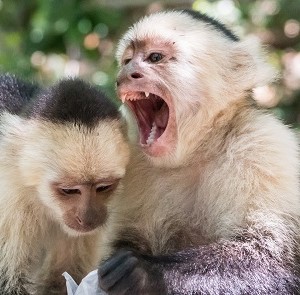 After decades of campaigning from Born Free and others, legislation governing the private keeping of primates was introduced under Animal Welfare (Primate Licences) (England) Regulations 2024, which entered into force on 6 April 2025. Although not the ban Born Free, primatologists and others had called for, the regulations introduced a licensing system for anyone wishing to keep a primate. Owners that possess a primate contained within the Schedule of the Dangerous Wild Animals Act 1976, require a DWAA licence in addition to a primate licence. From 6 April 2026, all primate owners in England will be required to hold a licence. The regulations do not cover Northern Ireland, Scotland or Wales, therefore primate owners in those countries are not required to possess a licence.
An estimated 3,000 – 5,000 primates are kept in the UK, but concerns have already been raised over lack of awareness of the regulations and the unlikelihood of most owners complying with or being able to meet the standards required, potentially leading to primates being kept as pets illegally and in unsuitable conditions.
Unregulated Species
Whilst some animals require a license to be kept in captive environments, most do not. This lack of licensing or registration requirement makes it difficult if not impossible to accurately estimate the number of exotic pets being traded and kept today.
This difficulty is clearly demonstrated by the huge discrepancy between estimates for the number of reptiles kept in UK households in 2021 by the Pet Food Manufacturers’ Association (1.8 million reptiles) and the Federation of British Herpetologists (8 million).
Some species which do not require a licence are also classified within the greatest risk category in other captive settings. For example, large constrictor snakes and varanid lizards in zoos are categorised as posing the greatest risk to the public, but they can be freely purchased and kept in a private setting without any registration or licensing.
The Need for Change
Current UK regulation and policy in relation to the trade in and keeping of exotic pets is piecemeal and reactionary. The natural history, optimal husbandry and welfare needs of many species kept as exotic pets are incompletely understood by biological science, never mind those involved in trading and keeping them.
A number of countries, including within Europe, have adopted or are in the process of implementing ‘positive lists’ for having wild animals as pets. In contrast to the current negative list system in the UK, a positive list only permits the keeping of species on the list. Such a system has the potential to significantly reduce the scale and scope of exotic pet trade and keeping, while also adopting a precautionary approach. Any species included on a positive list should meet criteria relating to animal welfare, conservation, human and animal health and safety and environmental risks.
Born Free is calling on the UK Government to consider and consult on its future approach to the trade in and keeping of exotic pets with the aim of ending the patchwork and inconsistent animal legislation within the UK, while also ensuring species which clearly cannot have their needs fully met in a captive setting are no longer traded and kept as pets.
Find out more about the dangerous wild animals being kept as pets in the UK: