How does the citizen science programme work?
Our project encourages public participation and collaboration, to aid scientific research and increase knowledge. Working as volunteers, local people can help study wildlife in the wild, then share and contribute to monitoring data, helping add vital information to our database. Born Free Kenya currently works with a team of tour guides, but now plans to train up school pupils to get involved as well.
Lions are very elusive, so the programme helps the gathering of widely-spread data without additional costs. Currently the tour guide group uses WhatsApp to share their observations, but our team is also developing a citizen science data collection form to streamline the process.
To aid the work, we’ve given the Elewana tour guides a camera with a 600mm lens to help them take clear photos, plus wildlife identification guidebooks. We have agreed to collaborate mainly on lions, giraffes and elephants, with a special focus on any animals spotted in distress due to injuries, or being caught in a snare.
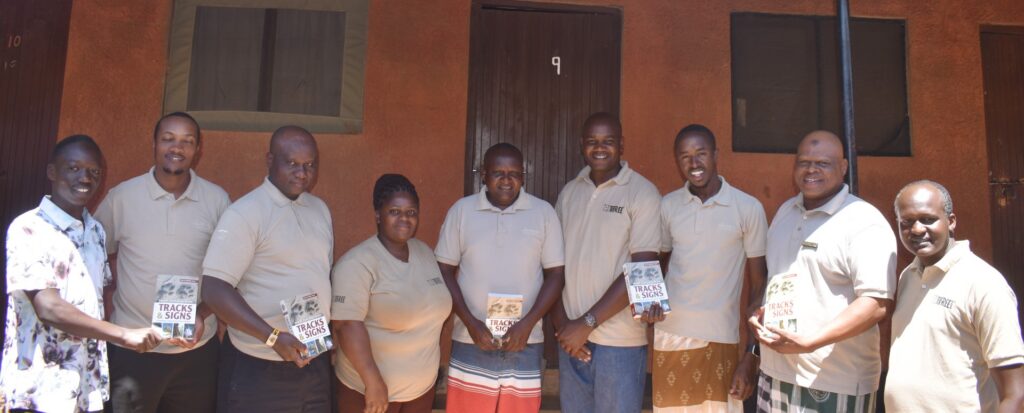
Some of the group with their identification books
How did the tour guides spot the new cubs?
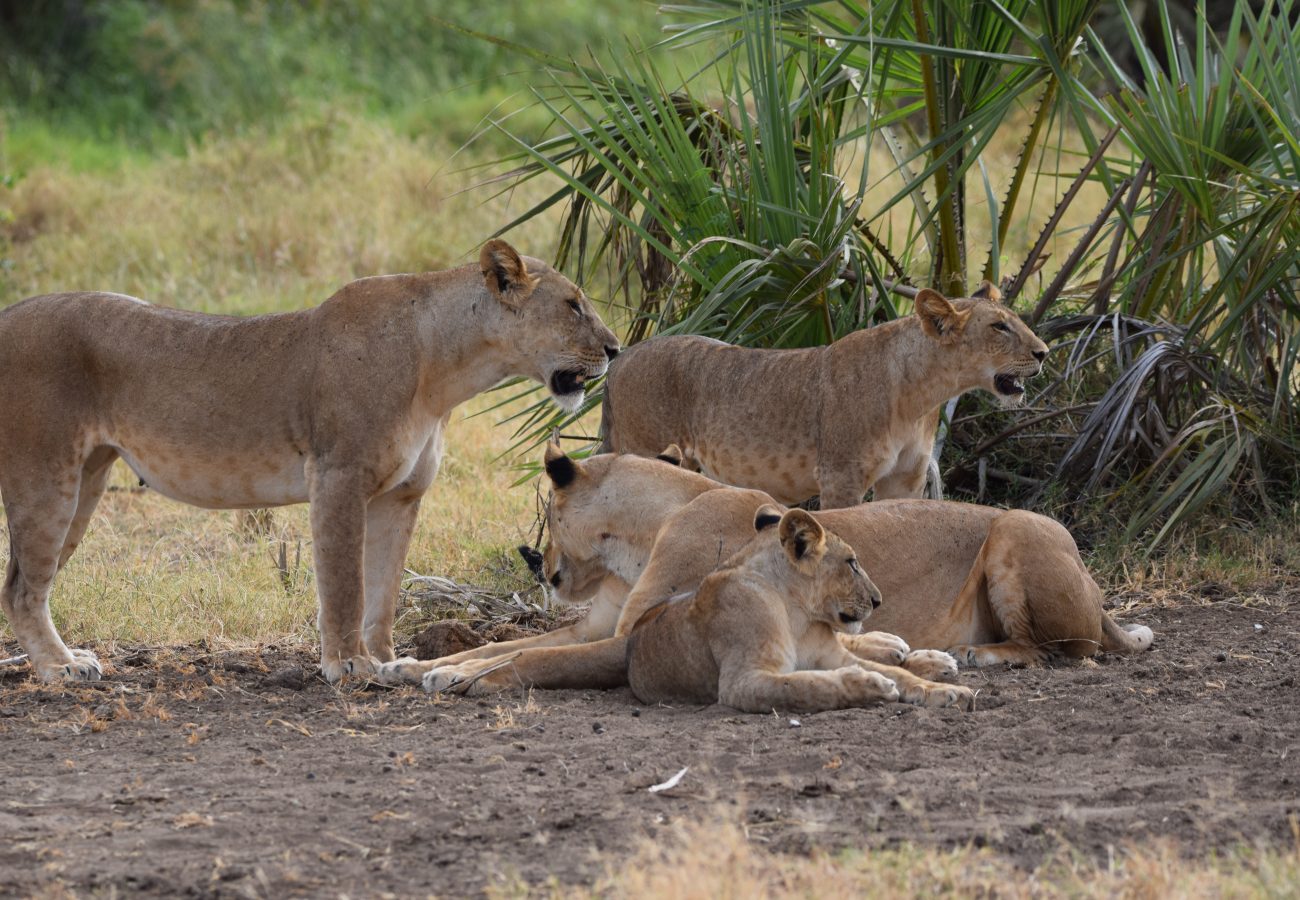
 The tour guides were out on their day-to-day activities – taking Meru tourists out on safari. The area close to the lodge at Elsa’s Kopje is a documented home range for the Elsa’s Pride. The guides came across the pride and were keen to see which lions were present.
Remarkably, Mohamed – one of the tour guides – had made a note of seeing ResQ mating with a male lion, on the day she was collared back in April. He kept this date in his diary, and wondered if she had become pregnant and gone on to give birth, as the gestation of a lion is around 110 days.
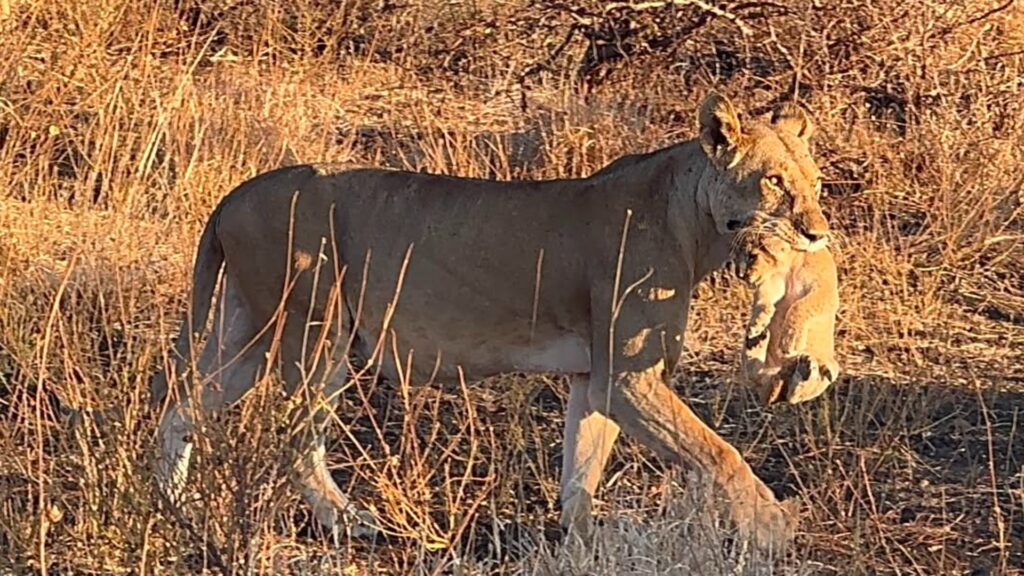
True to his calculations, Mohamed was over the moon to see the new infants, but was surprised to count six cubs, instead of the usual three to four expected for a lioness. He then noticed that another lioness in Elsa’s Pride was close by – carefully transporting the cubs to a new hiding place. That was evidence that this other lioness (name not yet confirmed) had perhaps also given birth.
How old were the cubs?
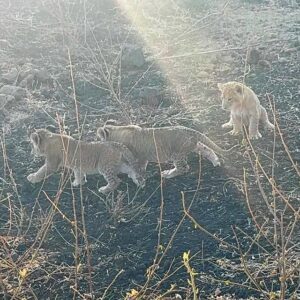 Mohamed estimates the cubs were one month old. We haven’t yet seen them for ourselves to confirm, but from the images and footage shared, this seems likely to be correct. Lionesses are very protective of new cubs and typically will hide them from the rest of the pride.
Lions in a pride will often co-parent, especially when they give birth together. This increases the chance of the cubs surviving, not least as they can nurse from any of the new mothers.
Congratulations on the extended new family Elsa’s Pride! You’re certainly doing your best to boost Meru’s precious lion population. And thank you to our supporters, for all you do to help ensure this important park in the heart of Kenya can be a haven for wildlife.