
Kenya’s rhino comeback story
Celebrate World Rhino Day with incredible news – numbers of rhinos in Kenya have more than doubled since we began supporting rhino conservation there, in 2014.
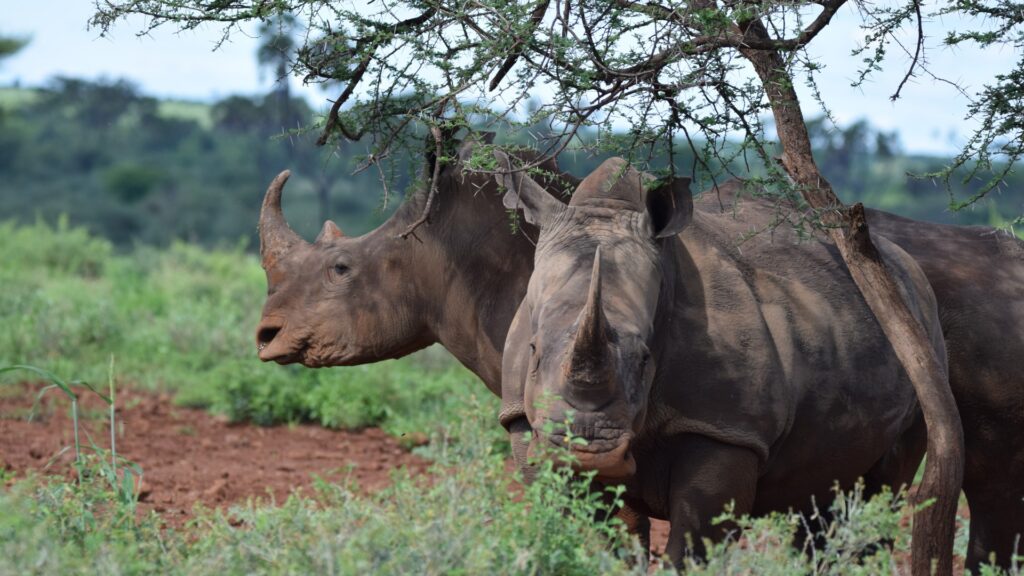
Southern white rhino in Meru National Park (c) Born Free
Aided by supporters, Born Free helps a brave team of Kenya Wildlife Service rangers keep rhinos safe in our charity’s homeland of Meru National Park, in Kenya. Over the years, with your support, Kenya has worked hard to protect these rare and ancient giants – the second largest land animal in the world. Today, we’re delighted to share incredible news about the precious population’s extraordinary increase.
Sadly, rhinos are targeted by poachers for their beautiful horns – used for traditional Asian medicines, despite having no medicinal qualities. But, working together with Kenya Wildlife Service, we’ve been fighting to help stop poaching and protect rhinos. This conservation effort is having a huge impact.
Back in 2014, when Born Free’s support for rhino conservation in Kenya began, there were just 1,047 rhinos in the country. But, a National Wildlife Census Report has confirmed this number has now more than doubled to 2,102 rhinos – 1,059 black and 1,043 white. This includes 104 white and 45 black rhinos in the Rhino Sanctuary within Meru National Park.
Kenya now has the third largest rhino population in the entire world, after South Africa and Namibia. It is fantastic that Born Free and our supporters have helped play a crucial part in this conservation success story!
“We currently help Kenya Wildlife Service rangers in Meru with fuel,” explains our Head of Kenya Programmes David Manoa. “We previously provided them with vital solar panels and water storage, as well as binoculars, a digital camera, night vision googles and radios.
“As well as Meru, we have supported rhino work in Lake Nakura National Park and Tsavo West National Park. So, we can be proud to say we contributed largely to the success of the rhino recovery in Kenya.”
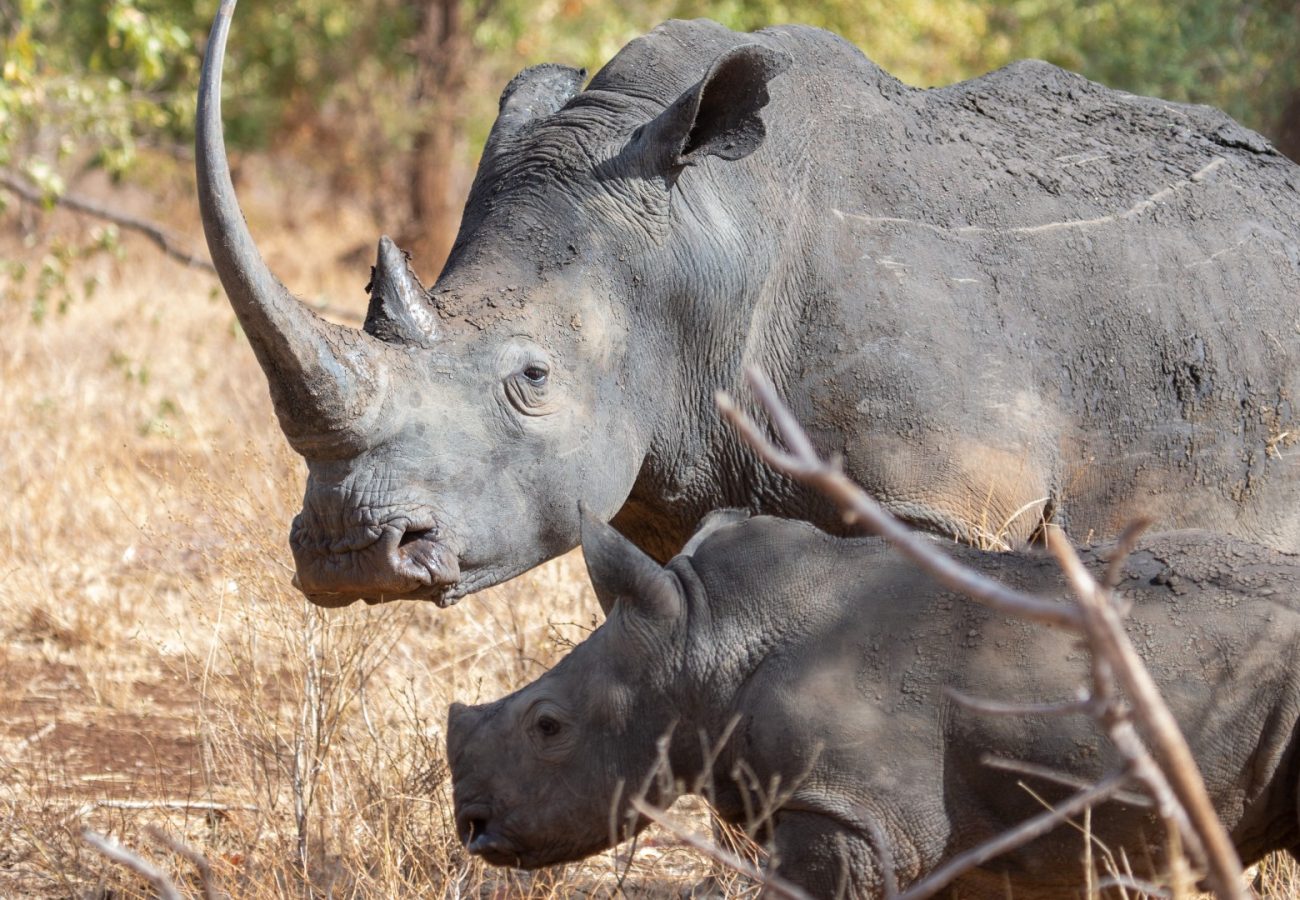
Our team in Meru are big fans of rhinos and keep a watchful eye. “We regularly see the rhinos as we travel through the sanctuary for work,” said Irene Kanga Dzuwamwenga, from our Species Monitoring & Protection team. “Rhinos are powerful and resilient, yet also have a calm and gentle side many people don’t expect. While they have poor eyesight, their hearing is excellent and they have a keen sense of smell.
“Despite their size, they can also run surprisingly fast! Often described as their armour, their thick skin is specially adapted to withstand the thick thorns of the African bush. As endangered animals, rhinos remind us of the importance of wildlife conservation and protecting their habitats. Thanks for supporting this work!”
YOU CAN HELP
To support rhino conservation in Meru, adopt Born Free’s Rhino Family. Includes personalised gift pack and regular updates.