
How to help endangered animals
Discover ways to help endangered animals through everyday actions. From gardens to African savannahs, learn how to protect wildlife with Born Free.
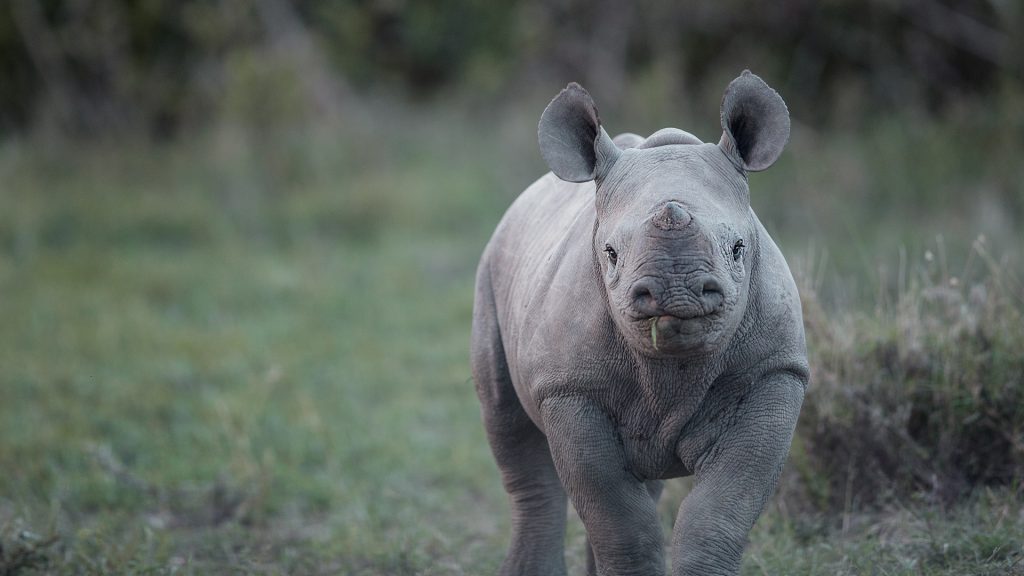
(c) www.georgelogan.co.uk
As you’re reading this, the global extinction crisis is accelerating at an unprecedented rate. From the savannahs of Africa to our own back gardens, wildlife populations are declining rapidly due to habitat loss, pollution, overexploitation and climate change.
Yet there’s reason for hope. We’ve spent decades trying to reverse these trends and bring species back from the brink, through our dedicated field conservation, community engagement and policy work. Whilst large-scale conservation programmes and policy initiatives are essential, individual actions matter, and you may be wondering how you yourself can have a positive impact for wildlife.
This guide explores meaningful ways to help protect and save endangered animals both locally and globally.
What does ‘Endangered’ actually mean?
The International Union for Conservation of Nature and Natural Resources (IUCN) has created a Red List of Threatened Species, which is the world’s most comprehensive information source on the global conservation status of not only animals, but plants and fungi too. A species is considered ‘Endangered’ when they are at a very high risk of extinction in the wild.
The term endangered is often also used as an all-encompassing term to describe species which are under threat.
Why Should We Protect Endangered Animals?
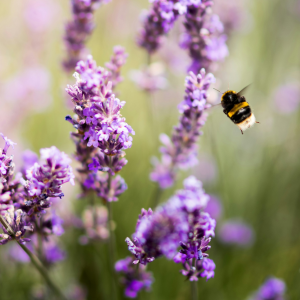 Understanding the importance of biodiversity helps us appreciate why the need to protect nature and wildlife deserves our attention and effort. The decline of species threatens the health and integrity of whole ecosystems, and results in wider environmental problems which ultimately affects us all.
Healthy ecosystems depend on intricate relationships between species. Large predators regulate herbivore populations, preventing overgrazing. Insects pollinate crops that feed billions of people. Forests, home to diverse wildlife, absorb carbon dioxide and produce the oxygen we breathe. When species vanish, these ecological services deteriorate, often with irreversible and unpredictable consequences.
Each species is also the result of millions of years of evolution, possessing unique adaptations and behaviours which help to maintain the integrity and functionality of the ecosystems of which they are a part. We have an ethical obligation to preserve this remarkable diversity for its own sake, as well as for the benefits it brings to people.
What Can We Do to Help Endangered Animals?
Advocate for Wildlife
Political and corporate decisions shape conservation outcomes on a massive scale. Your voice matters:
- Contact your local councillors and MPs about conservation issues. Born Free regularly provides opportunities for people to write to their political representatives on specific issues concerning nature and wild animals
- Sign petitions advocating for greater protection for wild animals against damaging exploitation (Born Free maintains active campaigns where your signature contributes to policy changes)
- Share conservation and animal protection messages from Born Free and other wildlife advocacy organisations on social media to expand awareness
- Have conversations with friends and family about the importance of protecting wildlife
- Support businesses that prioritise sustainability and ethical practices, and avoid those harming wildlife
Support Wildlife and Conservation Organisations
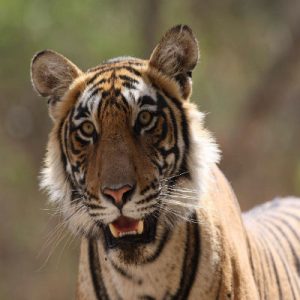 Charities like Born Free work globally to protect endangered species and other wild animals through habitat preservation, anti-poaching efforts, community education programmes, rescue operations, and policy work. We work extensively to protect African wildlife, including lions, elephants, gorillas and others, through projects that address threats whilst supporting local communities. We support a landscape-scale project in India aimed at protecting tiger habitats, which in turn provides a safety net for many other species. We also work globally, including here in the UK, to persuade policy makers to prioritise nature protection and the welfare of wild animals.
You can help through:
- Animal adoptions and financial donations that enable our essential wildlife protection work
- Following us on social media and sharing our content
- Attending Born Free events
- Fundraising for our cause
- Joining our campaigns and adding your voice to crucial issues by signing petitions and/or writing to your political representatives
Create Wildlife-Friendly Spaces in Your Garden
Wild animals don’t only need protecting overseas – here in the UK wildlife is also in peril, but there are many ways you can help. Your own garden or outdoor space offers potential for supporting local biodiversity. Here are simple changes that make a real difference:
- Let areas grow wild – Wilder patches provide crucial habitat for pollinators, small mammals, and ground-dwelling creatures
- Choose native plants – They’ve co-evolved with local wildlife and require less water and maintenance as a bonus
- Add water features – Bird baths or shallow ponds sustain numerous species, especially during droughts (remember to refresh water frequently)
- Keep cats indoors at night – This significantly reduces their impact on nocturnal animals and roosting birds
- Secure your rubbish – Store refuse in containers with locking lids to avoid attracting wildlife into dangerous situations
- Prevent window strikes – Apply visible markers or decals to help birds recognise barriers
Eliminate Harmful Chemicals
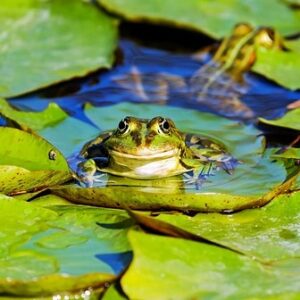
(c) Couleur from Pixabay
Pesticides, herbicides and other toxic chemicals have devastating consequences for wildlife at every level of the food chain. These toxic substances persist in soil and water, accumulating in animals’ bodies over time. Predators suffer poisoning when consuming contaminated prey, whilst amphibians, already amongst the most threatened animal groups globally, are particularly vulnerable.
Natural alternatives work effectively: companion planting, physical barriers, and encouraging natural predators like ladybirds and hedgehogs can control pests without chemicals. Your local garden centre can recommend wildlife-safe solutions for your specific needs.
Make Ethical Purchases
Every product you buy carries an environmental footprint. Here’s what to avoid and what to choose instead:
Avoid:
- Items made from ivory, tortoiseshell, coral, exotic skins, or other animal products. Not only does the trade in such products threaten the survival of species, it can also have devastating consequences for animal welfare, and may be illegal under international and national law
- Live wild animals (parrots, reptiles, primates). The trade in and keeping of wild animals as pets can compromise species conservation and animal welfare. It can also threaten the health and safety of other animals, people, and the wider environment
- Traditional medicines derived from tigers, rhinos, bears or other wild species, which are often obtained using cruel and damaging methods, and for which proven, wildlife alternatives are widely available
- Souvenirs made from threatened wildlife when travelling, many of which may be illegal
Consider choosing:
- Sustainable wood products
- Products with minimal palm oil (its production destroys critical habitats for key species such as orangutans, tigers, and elephants)
- Recycled materials and sustainable alternatives
- Electronics from manufacturers with ethical mineral sourcing policies
Recycling your old mobile phones is particularly important. Minerals used in phones are sometimes mined in critical habitats for Grauer’s gorillas and other endangered species.
Reduce Plastic and Waste
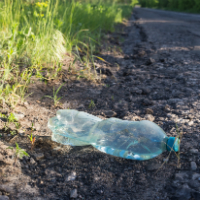 Plastic pollution has infiltrated every ecosystem on Earth. Marine animals frequently ingest debris or become entangled in discarded materials, often with fatal consequences.
While cutting out plastic altogether is difficult, simple swaps make a big difference: reusable shopping bags, water bottles and coffee cups, products with minimal packaging, and proper recycling of unavoidable plastics. Participate in organised litter collections at beaches, parks, and roadsides to remove existing pollution whilst raising awareness. Remember to cut up loops on plastic packaging prior to disposing of them responsibly to reduce the chances of wildlife entanglement.
Travel Responsibly
Many tourist destinations offer attractions that involve ‘experiences’ and contact with captive wild animals, such as elephants and lions, or photo opportunities with monkeys, reptiles and others. These attractions exploit animals and do not contribute to conservation, and partaking in them keeps them in demand. Any wildlife watching should maintain respectful distances and follow ethical guidelines. Avoid any facility offering direct contact with wild animals, riding opportunities, or performances, such as dolphin and orca shows or circuses still using wild animals. You can find out more about what you can do, and report any concerns relating to the exploitation of wild animals in tourism, by visiting our Raise the Red Flag, Selfish Selfies, and Tank Free web pages.
Do Zoos Help Endangered Animals?
(c) Aaron Gekoski
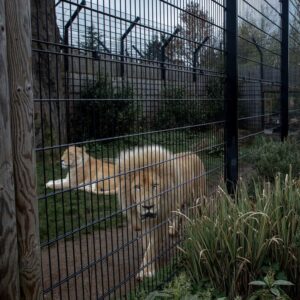
Whilst some facilities conduct conservation breeding programmes, many zoos prioritise entertainment over animal welfare or ethics, keeping species in inadequate conditions far removed from their natural habitats, leading to animal suffering. Research by Born Free also shows that most species kept in zoos in the UK are not threatened with extinction.
Born Free advocates for protecting animals in their natural habitats rather than keeping them in captivity. We believe conservation resources are better directed towards habitat protection, anti-poaching measures, and community-based programmes that address the key threats to species, and the welfare of individual animals, while encouraging co-existence between people and wildlife.
When captive animals cannot be released, we support sanctuaries that provide lifetime care in environments that are focused on meeting their needs, without captive breeding or public display for entertainment.
Taking Action Today
Individual actions achieve maximum impact when supported by organised efforts to protect species and individual animals. Born Free has protected wildlife for over 35 years, working to keep animals in the wild and ensure compassionate treatment for those in captivity.
Our projects span the globe, from protecting lions in their African homelands to rescuing wild animals from the illegal pet trade. We campaign against wildlife exploitation, challenge harmful policies, and promote coexistence between humans and wildlife.
Every action you take, whether changing your shopping habits, creating a wildlife habitat in your garden, raising your voice for policy change, or supporting Born Free’s work, contributes to global efforts to protect Earth’s magnificent biodiversity and facilitate nature’s recovery.