
EU set to ban lead gunshot in major win for wildlife
The restriction would be a significant step towards protecting people, animals and the environment.
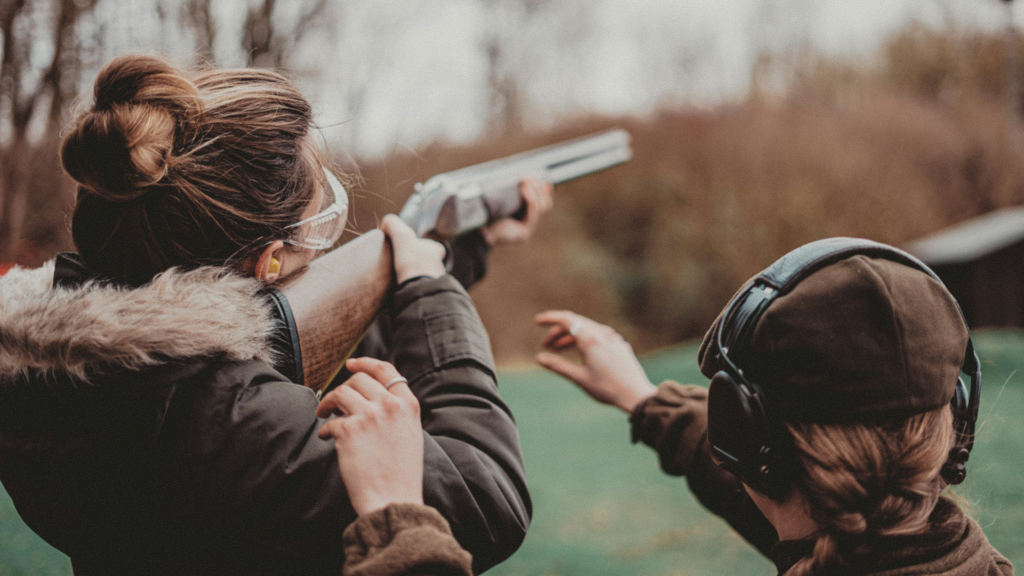
The European Parliament has cleared the way for an EU-wide restriction on lead gunshot, marking a significant step forward in tackling lead pollution across Europe, helping to protect wildlife, people and the environment from a preventable source of poisoning.
The vote by the European Parliament on 8th October removed the final obstacle to the proposed restriction, which the European Council already gave its support for in June. The new measures will be published in the Official Journal of the European Union before entering into force.
Lead is a highly toxic substance that poses serious risks to the health of people and animals when it gets into the environment. Animals that ingest lead gunshot directly, or indirectly, for example predators or scavengers that consume prey animals that have been shot, or animals ingesting degraded lead gunshot incorporated in vegetation, can suffer a prolonged and agonising death. They also become more vulnerable to disease, and the effects of poisoning increase their risk of premature death, including through road or powerline collisions.
Human exposure to lead, for which there is no known safe level, is associated with a range of health problems, including IQ deficits, chronic kidney disease and increased blood pressure, among others, with neurodevelopmental damage in children of particular concern.
The harmful effects of lead have long been known, which is why its use in many products, including petrol, paint and pipes, has been banned or restricted for many years. More recently, lead gunshot has been prohibited in EU wetlands since 2023, and this summer the EU took steps to restrict the sale of lead fishing tackle.
It is estimated that, in recent years, more than 38,000 tonnes of lead gunshot have been released into the EU environment each year. The new restriction will help reduce soil and water pollution and protect millions of animals from poisoning. These include wild birds and mammals, including protected species such as lynx, bears and vultures; dogs and cats exposed to contaminated pet food containing game meat; and farmed animals, particularly cattle and poultry, which may ingest lead shot dispersed across feeding areas or incorporated into vegetation.
Born Free’s EU Policy Officer Elodie Cantaloube, who worked with colleagues across the wildlife NGO sector to secure the new restrictions, said: “Born Free welcomes this important step towards reducing the suffering of wild animals and protecting the natural world from preventable harm.
“At a time when wildlife faces mounting threats from human activities, ending the unnecessary use of toxic lead ammunition is a practical and long-overdue step towards a safer environment for people and animals alike.”
The proposed restriction follows years of collaborative work by a coalition of NGO partners, including BirdLife Europe, Wildfowl & Wetlands Trust (WWT), Born Free and others. By extending protection beyond wetlands, the new ban represents an important step towards reducing preventable animal suffering, protecting biodiversity and safeguarding public health across Europe.