
Elephant baby boom!
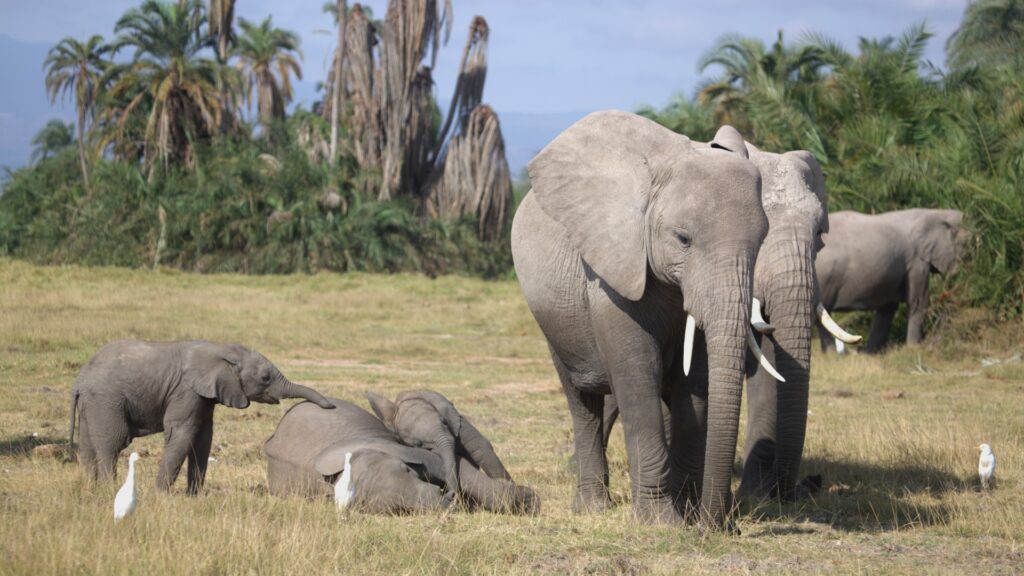
Monitored by our long-term partners, the Amboseli Trust for Elephants, over 200 baby elephants were born in Kenya’s Amboseli Ecosystem last year. But why so many?
(c) ATE
Did you know, African elephants have the longest pregnancy of any land mammal? At around 22 months, this lengthy gestation period makes every birth even more special. At a time when elephants are considered Endangered by the IUCN, a baby boom, as reported in Amboseli, is wonderful news.
Supported by Born Free since 1992, Amboseli Trust for Elephants (ATE) has been on the ground in the Amboseli ecosystem for an impressive 54 years, monitoring the elephant herds of Amboseli National Park and surrounding landscape. The 150-square-mile park is 220 miles south of Kenya’s capital Nairobi, close to the Tanzanian border, and its renowned elephant population was made world famous in the BBC’s acclaimed Echo of the Elephants TV series.
“At the end of 2025, the Amboseli elephant population was 2,065 individuals, all identified and monitored by ATE,” explains Anna Cryer from our Conservation team. “The team knows each elephant, and has intimate knowledge of how they behave, where they go, and how their population changes over time. Last year, they were delighted to record over 220 elephant births, with calves born across most known herds.”
Rare elephant twins recorded
(c) ATE
One of these births was particularly special. A female elephant, Oralee, was seen with two calves – she had had twins. This is extremely rare – ATE has only recorded five sets of twin births over more than five decades of monitoring elephants in Amboseli.
Sadly, however, it is very difficult to successfully raise elephant twins. For the first month, both calves appeared to be doing well. But, after a period without sightings of Oralee and her family, the team was concerned to discover only one calf was present. Tragically, the absence of a young calf from her mother’s side is a widely recognised indicator they have most likely died.
The odds are stacked against elephant twin survival – largely due to the immense demands placed on the mother and the calves. In all their years of working, ATE has only recorded one occurrence of twins reaching adulthood.
As you can imagine, monitoring elephants can be very bittersweet. It reminds us both of the wonder of elephant life, and of the very real challenges calves face, even under natural conditions. ATE shared the twins’ heartrending story with us to honour the short life of a precious calf, whose arrival briefly marked a rare moment in Amboseli’s long story.
But why were so many babies born?

(c) ATE
In 2022, a devasting drought in Amboseli – the worse for at least 40 years – led to nearly 180 elephant deaths. Elephants weren’t the only ones affected, with people, livestock and other wildlife suffering immensely, due to failed rains and lack of water.
During periods of severe drought, many calves under two years old can be sadly lost, as nursing females struggle to meet the ‘energetic demands of lactation’. Producing milk uses a lot of energy and burns many calories. When, thankfully, the rains returned in 2023, the Amboseli landscape started to recover and vegetation to regrow, bringing much needed food and water to communities and wildlife.
“As conditions improved, and elephants no longer struggled to find food and water, female elephants ‘came into oestrus’ or ovulation, and were ready to mate again,” said Anna Cryer. “But remembering elephants’ long pregnancy, the results of post-drought recovery are most evident two years later – in this case, leading to the baby boom observed in 2025.”
How climate breakdown threatens elephants
(c) ATE
Weather extremes, such as drought, are being exacerbated by human-induced climate change, with some areas of the world particularly susceptible, such as Kenya. The 2022 drought across East Africa was one of the worst seen for decades. The Amboseli landscape has experienced considerable swings from very dry to very wet in the last decade, which are likely to intensify as the climate continues to change.
Given elephants’ large size and appetites, they are particularly susceptible to climatic changes – needing to regularly consume large quantities of food and water. As periods of intense drought and wet continue, with your support, Born Free and ATE are on the ground in Kenya, monitoring wildlife populations and their habitats to better understand how animals respond to these climatic shifts.
Last year’s elephant baby boom in Amboseli added almost 12% to the elephant population in a single year. While such a large number of births is wonderful news, ensuring these infants remain protected and have safe habitats to call home is paramount. With your support, Born Free is dedicated to protecting Kenya’s elephants.
Protect Elephants with Born Free
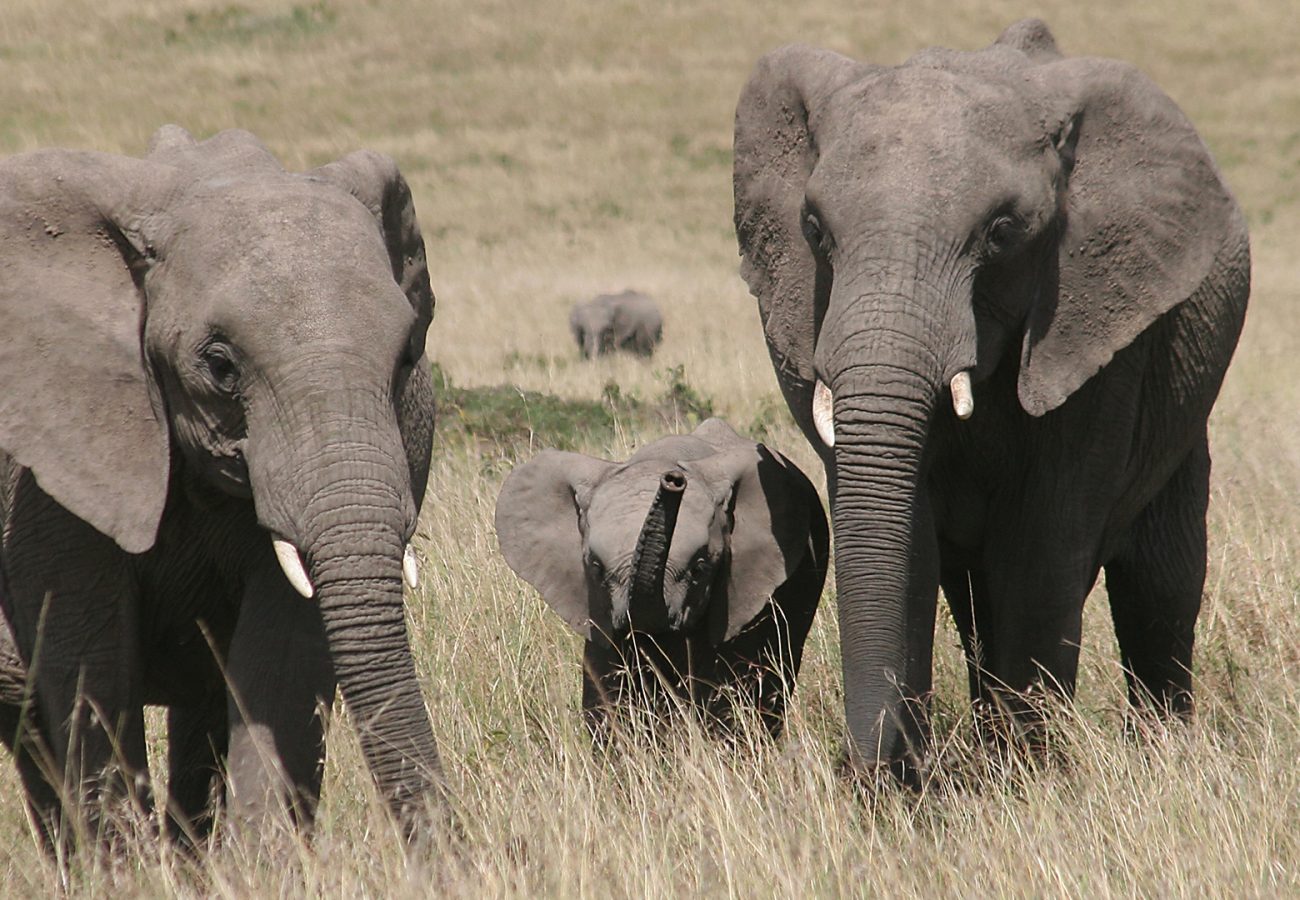
You can help protect the famous elephants of Amboseli, by adopting our Elephant Family today. Buy for yourself or as a gift for a loved one, and you’ll receive a personalised gift pack, and regular updates showing how your support is helping.