
Born Free’s ongoing battle for wildlife threatened by trade
The latest meeting of the CITES Animals Committee highlighted how legal wildlife trade is all too often overshadowed by illegal activity, undermining regulations.
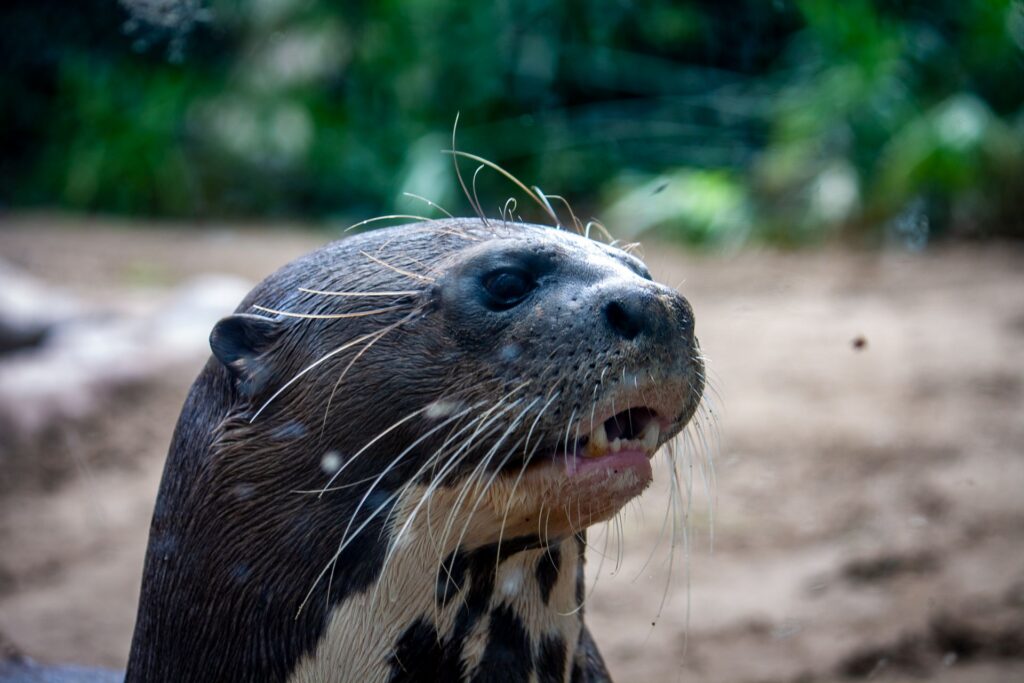
Giant otter (c) Pexels Cristian Loayza
Born Free’s Senior Policy Advisor Gabriel Fava has returned from the latest CITES Animals Committee meeting in Geneva, where a wide range of wildlife trade issues were considered, and reports back on some of the outcomes.

Gabrial Fava, Senior Policy Advisor
One of the key takeaways of the meeting was that legal wildlife trade continues to be used as a front for illegal activity, which infiltrates supply chains and undermines regulation. CITES – founded to ensure trade does not threaten species survival – must do more than authorise commercial trade; it must (and does) actively investigate suspicious or fraudulent activity.
A major focus of the meeting was scrutiny of captive‑breeding claims. The Committee reviewed cases where facilities may be using illegally-sourced wild animals to supplement breeding stock. Species in trade that were flagged for further investigation included giant otters, spider monkeys and toucans from Venezuela; Greek tortoises and forest turtles from Syria; and cockatoos from South Africa. Born Free attempted to raise concerns about the tens of thousands of long‑tailed macaques exported from Mauritius for research, but this proposal did not gain sufficient support to be investigated further.
The Committee also considered CITES’ Review of Significant Trade process, which highlights unusually high or risky levels of trade. Twelve cases were selected for further consideration, including trade in longfin mako sharks, giant clams, European eels and Australian corals. Countries involved must now demonstrate that their trade is legal and sustainable or face potential sanctions.
Born Free was particularly concerned by a comparative study on African lion management, commissioned at CITES’ 2022 Conference of the Parties. The study strongly promoted trophy hunting and opposed trophy import bans (such as the one Born Free is campaigning for in the UK), despite limited evidence of conservation or community benefits from hunting. Although not formally endorsed at the meeting, countries with wild African lions were still directed to consider the study’s findings, meaning that its influence will persist.
The United States’ delegation pursued a political agenda favouring trade and was led by an individual with commercial wildlife‑breeding ties — representing a conflict of interest that undermines the USA’s historically strong role in promoting evidence-based species conservation at CITES.
Additional discussions covered commercial breeding concerns, attempts by some countries to weaken CITES by requiring socioeconomic considerations in species listings, and trophy hunting export quotas for threatened species, a review of which has been postponed until after the 28th Conference of the Parties in 2028.
In relation to human disease risks linked to wildlife trade, those who claim that this is beyond CITES’ remit managed to block the formation of a working group to consider this important issue. However, The Secretariat will be seeking input from Parties on their experience using the current rules and guidance on animal transport and asking the next meeting of the Animals Committee to review the feedback and make recommendations.
Born Free will continue in its efforts to raise key issues of concern ahead of the November 2026 Standing Committee meeting, to ensure CITES maintains strong protections for species and resists pressure from trade interests.