
Born Free urges Australian government to extend ban on hunting trophy imports
An overwhelming majority of Australians want the federal government to honour its election commitment to expand restrictions on the importation of hunting trophies, according to a new national survey.
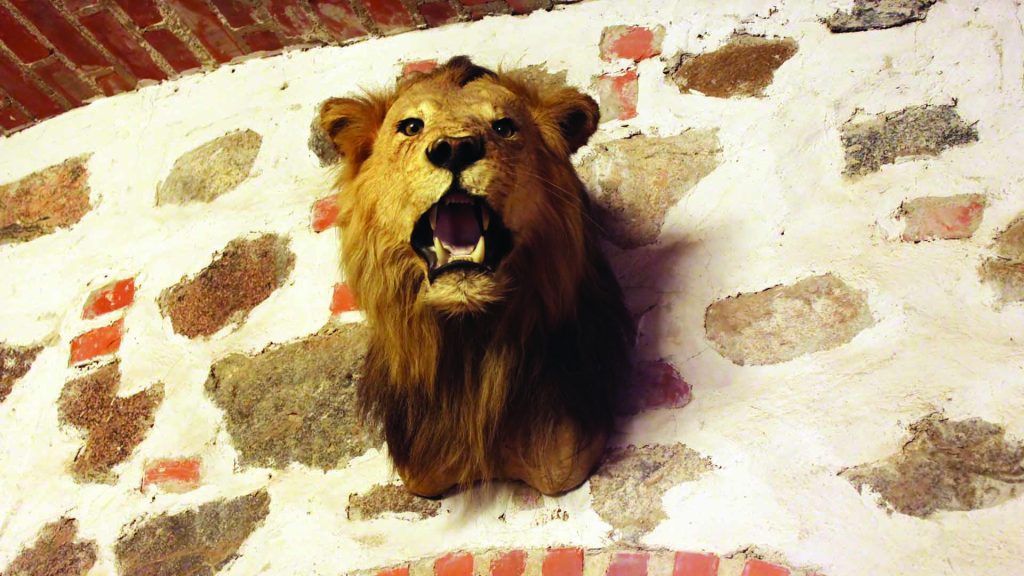
A new YouGov poll found that 93% of Australians believe Anthony Albanese’s Government should deliver on its pledge to ban trophy imports from an additional 20 wildlife species. The proposed expansion would extend existing restrictions on lion, elephant and rhinoceros trophies to include species such as bears, giraffes, zebras, hippos, wolves and polar bears.
The commitment was made during the May 2025 federal election campaign, but the expanded ban has yet to be implemented.
The survey also highlighted broad public opposition to trophy hunting itself, with 91% of respondents opposing the practice. Support for restrictions spanned all demographic groups surveyed.
Dr Renae Charalambous, Wildlife Program Manager at Humane World for Animals Australia, who commissioned the public polling, emphasised that the findings demonstrate a clear public rejection of trophy hunting and a growing expectation that the government should act on its promise.
Born Free’s Senior Policy Advisor Gabriel Fava, who is based in Australia, agreed. He described trophy hunting as an outdated practice that causes unnecessary harm to wildlife.
“Trophy hunting is a cruel relic of a colonial era, predominantly carried out by a global elite, that results in intense animal suffering and disruption of wildlife populations, while contributing little of significance to local economies or wildlife conservation,” Fava said. “We strongly urge the Australian government to continue distancing itself from the practice.”
The organisations are urging Environment Minister Murray Watt and the Albanese Government to prioritise the regulatory changes needed to implement the expanded import ban, arguing that Australia should no longer serve as a destination for hunting trophies.
The findings place renewed pressure on the government to act on a policy commitment that continues to enjoy strong public support, particularly among voters concerned with wildlife conservation and animal welfare.