
Born Free joins call for social media users to report animal cruelty
This ‘Report It! Week’, we’re asking our supporters to help put an end to the exploitation of animals for clicks, likes and shares.
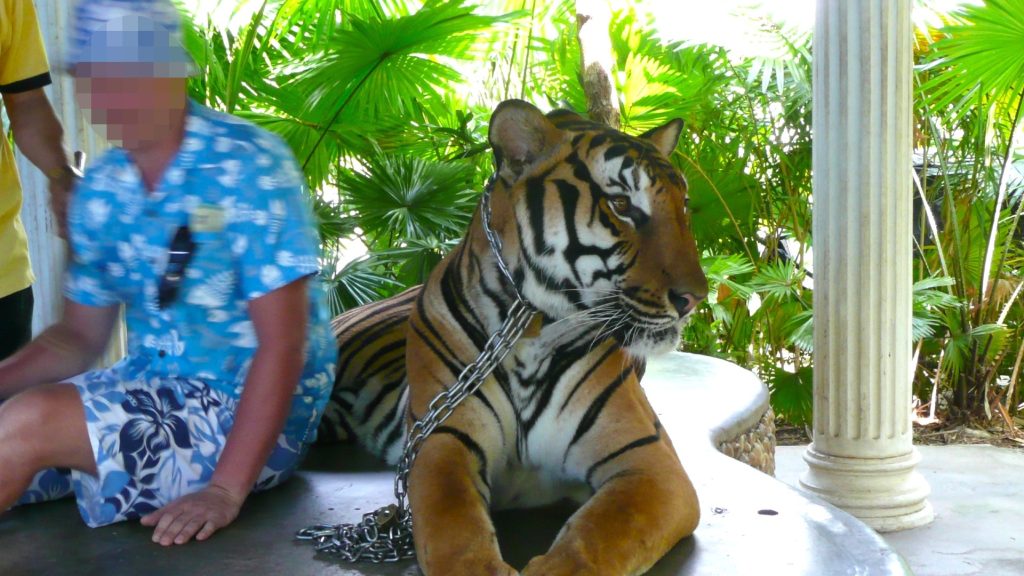
(c) Born Free
Every day, animals are filmed being harmed, exploited, or deliberately placed in distress for social media content. Some are presented as entertainment, others as rescue, education, or innocent animal encounters. Once online, this content can reach millions of viewers, and any engagement, even to dislike or condemn the content, can help it spread.
Toady, 21 September, marks the start of ‘Report It! Week 2026’, founded by Asia for Animals’ Social Media Animal Cruelty Coalition (SMACC), of which Born Free is a member.
Using the message “See It. Report It. End It.”, the campaign encourages people to recognise harmful animal content on social media platforms, avoid accidentally amplifying it, and report it.
The campaign focuses on the importance of reporting content to the social media platforms directly, as a frontline response to the abuse of animals. Platforms have a fundamental responsibility for the content hosted on their services and for enforcing their own policies.
Increasingly, this is being mandated by national digital safety laws in a number of countries around the globe, such as the Online Safety Act here in the UK. Social media users can flag cruelty content for platforms to review and remove, to reduce the availability and spread of cruelty content.
The public can also report their concerns to the SMACC, helping the coalition to gather evidence and put further pressure on governments and online platforms to act.
A Problem Measured in Billions
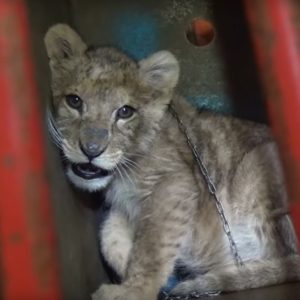
(c) Fondation 30 millions d’amis
SMACC estimates that online animal cruelty content generates more than 100 billion views every year, with more than half of documented cruelty content involving direct physical abuse. 32% of animals featured are endangered species in the wild.
The scale of engagement can create an incentive for harmful content to be produced and circulated. In its investigation into fake animal rescue content, SMACC documented more than 1,000 links in six weeks, generating more than 572 million views. In 21% of cases, creators solicited donations, often through PayPal. When animal suffering becomes content, attention can become part of the business model.
The Report Button Is Only the Beginning
Reporting gives users a way to speak up when they encounter animal cruelty online. But a report is only one part of what users can do.
What happens before someone presses “report” matters too. Watching to the end, commenting, sharing, or reposting can give harmful content more attention, even when the intention is to condemn it.
We are therefore asking our supporters to stay alert, and to make a simple distinction: report when reporting can help, but don’t amplify cruelty in the process. Instead of sharing the content itself, share what people can do about it. Turn attention into action, not another view.
SMACC’s reporting data indicates that approximately 47% of content reported to platforms was eventually removed, showing that reporting can make a difference while also highlighting the importance of effective platform moderation.
Dr Mark Jones, Head of Policy for Born Free said: “As a vet, the very idea that people would torture animals is horrific. That they would do so in a premedicated and coordinated way in order to generate online content for their own and others’ gratification, and in many cases to generate money, makes it all the more sickening. If we are to halt and reverse this alarming trend for online animal cruelty, social media platforms must be made to take the issue seriously. SMACC’s Report It! Week is all about raising awareness of the issue, and ensuring online platforms get the message that animal cruelty has no place in the real or the virtual world.”
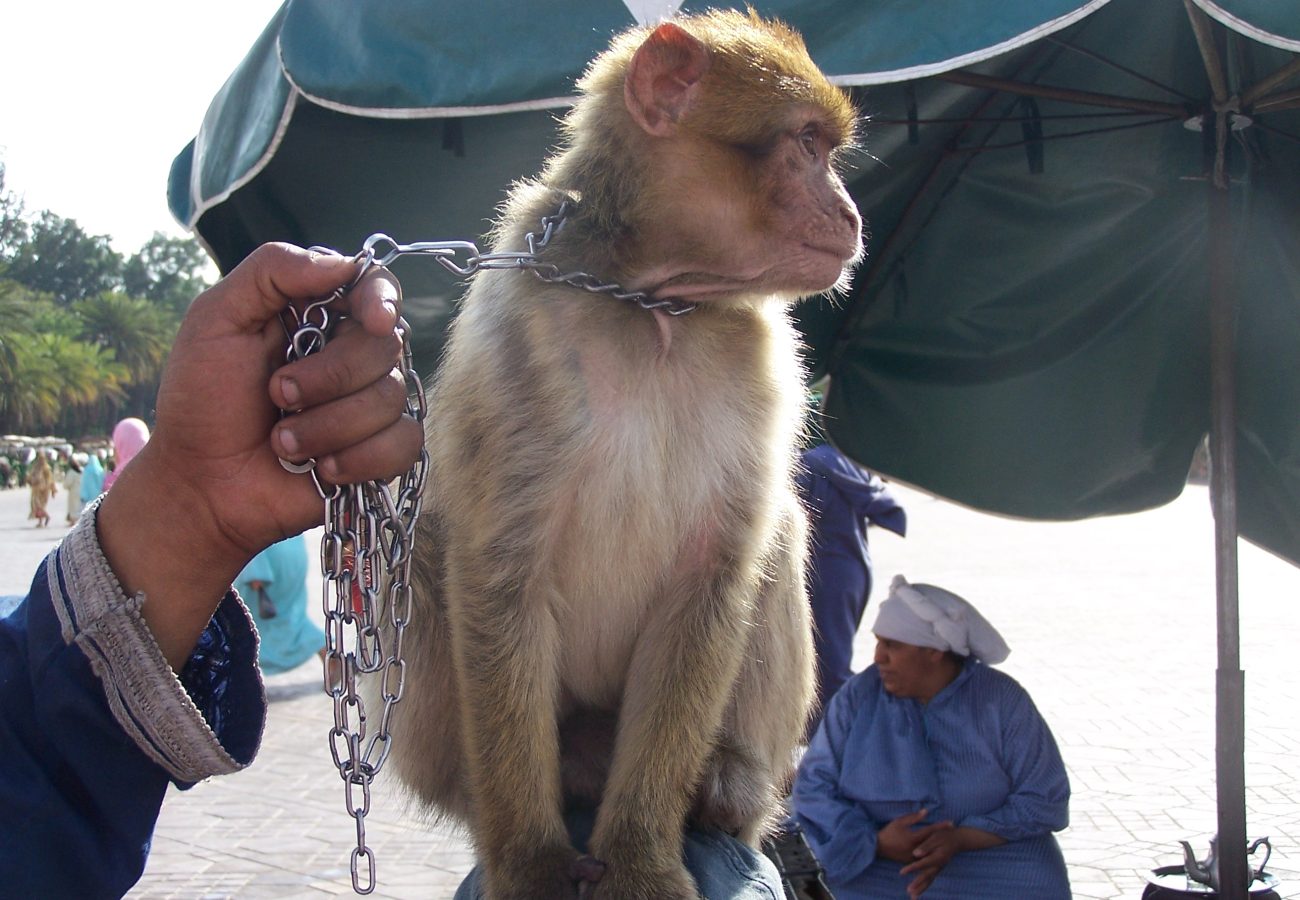
Have you witnessed animal suffering firsthand?
If you witness the suffering and exploitation of wild animals in captivity firsthand, whether in your home country or when travelling abroad, please report it to Born Free via our Raise the Red Flag platform.
We receive thousands of Red Flag reports about wild animals in captivity around the world, which provide vital evidence to support our advocacy efforts to secure policy change and effective legislation in order to end exploitation and improve animal welfare.