
50 years on: still wild, still dangerous, still legal
Born Free’s latest data reveals thousands of dangerous non-native wild animals are being kept as ‘pets’ in private homes across Britain.
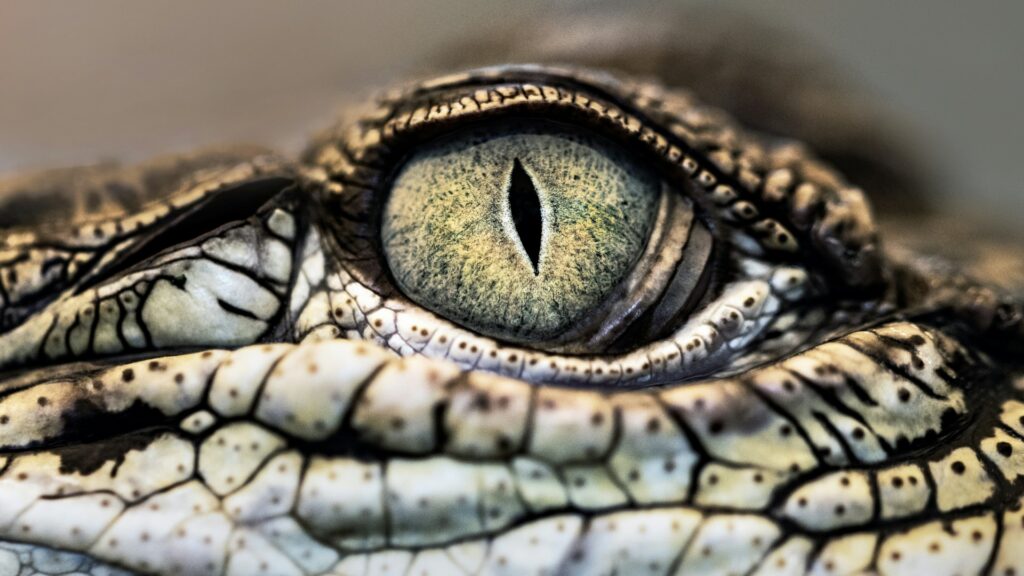
Photo by David Clode on Unsplash
New data released today, Tuesday 22nd July 2026, is exposing the number of dangerous wild animals being kept legally in Britain, with many kept as ‘pets’, as the law designed to regulate private ownership reaches its 50th anniversary.
The Dangerous Wild Animals Act 1976 (DWAA) was introduced to control the private keeping of animals considered to pose a risk to the public. However, Born Free’s research reveals that there are currently more than 2,200 dangerous wild animals being kept privately under licences issued by local authorities under the legislation. This includes more than 500 venomous snakes, nearly 300 dangerous primates, 79 crocodilians and 166 wild cats.
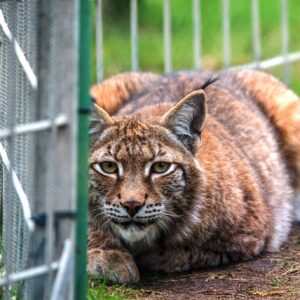
Lynx (c) J McArthur
Among the disturbing array of wild animals kept legally in people’s homes are cobras in Kent, wolves in Wiltshire, cheetahs in Cheshire, alligators in Angus and lynx in Lincolnshire. The full regional data, collected from local authorities, is available to view on our interactive ‘Dangerous Wild Animals Map’ where you can check your local area in England, Scotland or Wales and see if there is a dangerous wild animal, such as a lion, alligator or venomous reptile, living near you.
Born Free’s research reveals several alarming trends, including increases in the licensing of both venomous snakes and dangerous primates since our previous DWAA data release in 2023.
The number of venomous snakes has risen from 403 in 2023 to 518 currently, while dangerous primates have increased from 256 to 293. Licences have been issued for three of the ‘Big 4’ deadliest snakes, responsible for the most human deaths globally each year, as well as five of the top ten most venomous land-dwelling snakes in the world.
Born Free is also disturbed by the continued craze to own small wild cats and hybrids, fuelled by social media. Servals and hybrid wild cats remain among the most frequently licensed species, despite fundamental health and welfare issues which affect servals, domestic cats and their hybrid offspring throughout the breeding and gestation processes as well as the life of hybrid offspring should they survive. There are also additional concerns that later-generation hybrids can fall outside licensing requirements while still retaining significant wild traits.
The staggering fact that, five decades after the DWAA came into force, there are more than two thousand wild creatures classified as dangerous under British law still licensed or in application across Britain, is of great concern. While some of these animals are being held at recognised facilities, such as businesses, educational facilities and sanctuaries, many are likely being kept in domestic homes. Even more worrying is that these figures may significantly understate the true scale of the problem. Not all wild animals that pose a clear danger, such as large constrictor snakes and varanid lizards, even require a DWAA licence. Additionally, there may be many more animals listed under the Act that are being kept illegally and out of sight.

Cobra (c) Nivedh P on Unsplash
Chris Lewis, Born Free’s Captivity Research & Policy Manager said, “The Dangerous Wild Animals Act 1976 was intended to make the keeping of wild animals categorised as ‘dangerous’ a wholly exceptional circumstance. Yet fifty years on we find ourselves in a situation where nearly ten times more venomous snakes are kept in British homes than British zoos, servals continue to be unnecessarily and cruelly crossbred with domestic cats to produce ‘fashionable’ hybrids and primates continue to be confined despite the government acknowledging they are unsuited to being kept as pets. These animals are still wild, still dangerous yet still legal to keep. The government must urgently review and reform the laws governing the trade in and keeping of wild animals as pets.”
Take Action Today
The keeping of dangerous wild animals as ‘pets’ presents a very real risk to public safety. These animals retain many of their natural, wild behaviours, and being kept in stressful, unnatural, confined environments, can potentially make them more dangerous. It also results in considerable suffering for the animals themselves. Unlike domesticated animals, who have been bred over generations to live alongside humans, these wild animals have complex physical, psychological, nutritional, social, and environmental needs which cannot be met by a life in captivity, never mind a private home.
Specialist sanctuaries, like WildSide Exotic Rescue C.I.C, experience firsthand the poor physical health and psychological damage these, often threatened, creatures can suffer. WildSide has been rescuing wild non-native animals since 2010, and witness daily the misery the trade in and keeping of wild animals as pets causes. Many of their rescued animals were licensed under the DWAA and have come from private homes, where they were kept in wholly unsuitable conditions and, in some cases, were abused or neglected.

Mountain lion (c) WildSide Exotic Rescue
Animals like mountain lions Taylor and Tyson who were recovered from a cramped, concrete cage at the back of a bungalow garden where they had been kept since they were cubs, with no room to leap or climb, and no grass beneath their feet. The ring-tailed lemur troop rescued from a dirty, dingy garden shed with no space or natural light. Or serval, Matt, who was eventually rescued from a life where he was transported around the country and forced to breed in distressing circumstances.
Lindsay McKenna, Founder of WildSide Exotic Rescue C.I.C said, “A licence to keep a dangerous wild animal does not mean that animal is safe, happy or thriving, it simply means someone has permission to possess them. Wild animals are not pets that need better owners; they are wild creatures that should never be kept as status symbols, for entertainment, or as private possessions. At WildSide we see firsthand the devastating physical and psychological effects captivity and private ownership can have on wild animals and while we can provide sanctuary to some we cannot rescue our way out of a broken system. To stop wild animals suffering under outdated laws we urgently need stronger legislation to prevent them ending up in this situation at all.”
Born Free’s latest findings, and the distressing cases of Taylor, Tyson, Matt and the many other wild animals suffering in Britain, expose the complete failure not only of the 50-year-old DWAA law, but also the entire legal framework governing the trade in and private keeping of wild animals as pets. The legislation is fundamentally out of date and has not kept pace with the ever-changing trends in pet keeping, or our increasing understanding of animal behaviour and welfare.
Born Free Patron Kirsty Gallacher added, “It is staggering and deeply troubling that in 2026, dangerous wild animals are still being legally kept behind closed doors in Britain. Big cats, crocodiles, venomous snakes and primates are not pets, they are wild creatures that suffer greatly in captivity. Keeping them in private hands puts both people and the animals at risk. This should not be normal, and it should not still be legal. Fifty years on, these animals are still wild, still dangerous, and still being failed by the law. The government must urgently review this outdated legislation and ultimately bring an end to the private keeping of wild animals as pets.”
Born Free has been campaigning to protect the welfare of wild animals kept as ‘pets’ since 2005 and has monitored the scale of dangerous wild animal ownership for over a decade. Today’s research is stark evidence that it remains a huge issue that urgently needs addressing.
So today, Born Free is demanding a comprehensive review not only of the Dangerous Wild Animals Act, but of the entire legal framework governing the trade in and private keeping of wild animals. The current legislation is fragmented and outdated, and is failing to protect animal welfare, biodiversity and importantly, public health and safety. Weak regulation coupled with a growing online trade is fuelling the demand for wild animals as pets, leaving animals to suffer, and exposing communities to unnecessary risk.
The Government must urgently reform the law, introduce evidence-based measures to prevent harm, close loopholes, strengthen enforcement, and meet the UK’s commitments on animal welfare, biosecurity, conservation and public health and safety.
How you can help
You can support our call for critical change by signing our petition and demanding action from Government.
Dangerous wild animals are not ‘pets’. Fifty years on, they remain wild, they remain dangerous and shockingly, it remains legal to keep them in private hands. The law must change to protect people and wild animals for the next 50 years and beyond.
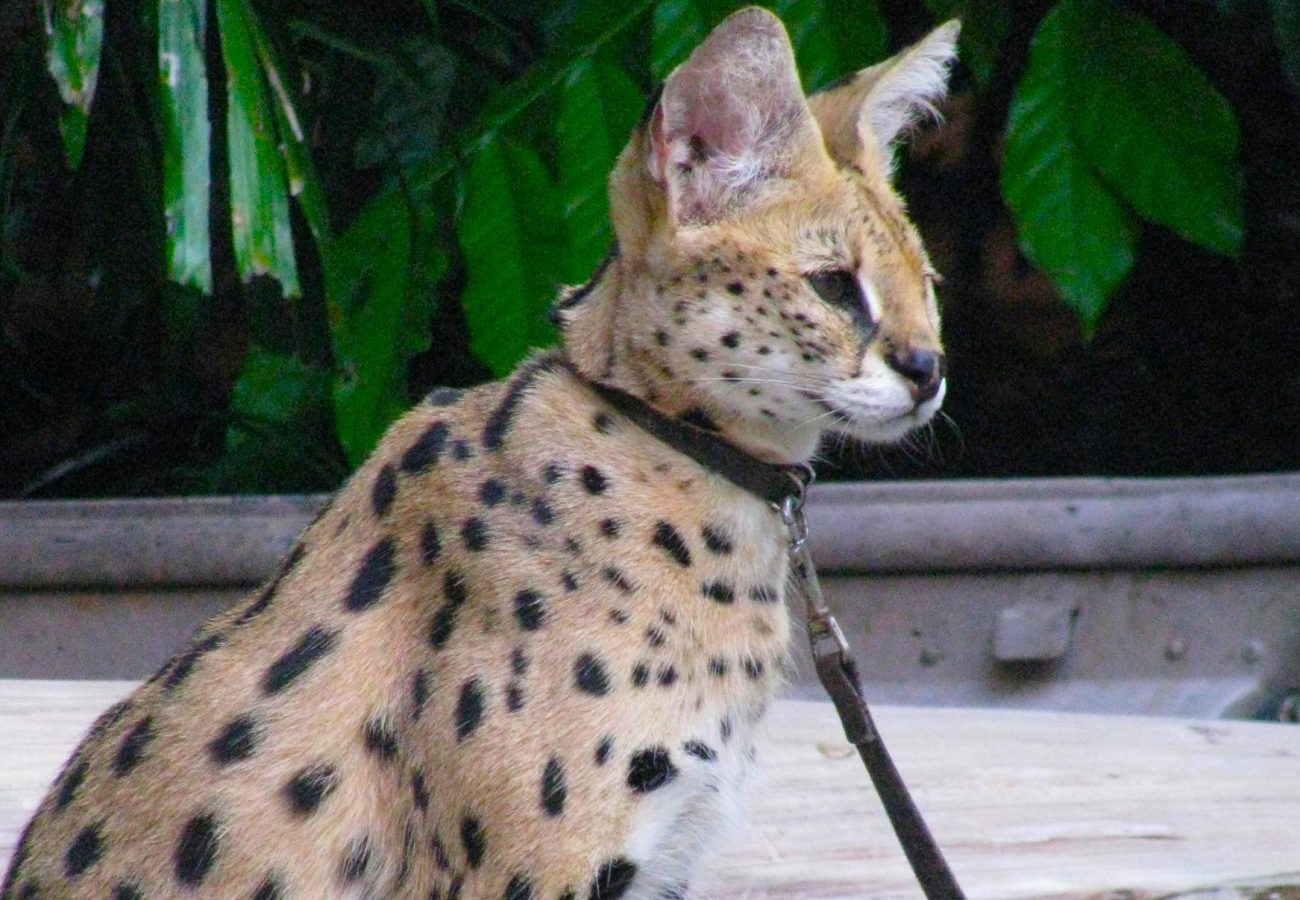
Is there a dangerous wild animal near you?
Look for your local authority on our interactive map, and find out if any dangerous wild animals are being kept by private owners near you.