
Malawi
Malawi Country Profile
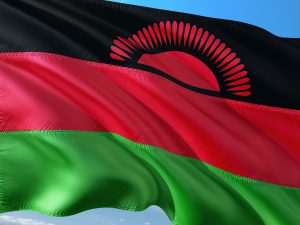 Malawi is a landlocked country in Southern Africa and shares a border with Zambia, Tanzania and Mozambique. It covers an area of 118,484 sq. km. With a population over 21 million, and 11 languages spoken across the country, Malawi’s official language is English, but Chewa is the most widely spoken African language. Malawi is nicknamed ‘The Warm Heart of Africa’ due to the friendliness of its people.
Geography & Wildlife
Climate is sub-tropical, with a rainy season November to May and a dry season May to November. The Great Rift Valley runs through the country from north to south and to east of the valley lies Lake Malawi.
Lake Malawi is the country’s most prominent physical feature at 587km long. It contains more fish species than any other lake on earth. Mammal life indigenous to Malawi include elephants, hippos, antelopes, buffaloes, big cats, primates, rhinos and bats.
Main Conservation Challenges
Deforestation; land degradation; water pollution from agricultural runoff, sewage, industrial wastes; siltation of spawning grounds endangers fish populations; negative effects of climate change (extreme high temperatures, changing precipitation patterns).
Our work in Malawi
LILONGWE WILDLIFE TRUST
Animals: A variety of indigenous animals
Established: 2008
Work: rescue & care / wildlife trade
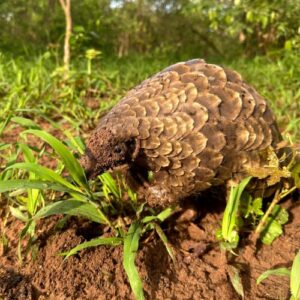
(c) Lilongwe Wildlife Centre
Lilongwe Wildlife Trust (LWT) was established in 2008 when they opened the doors to Malawi’s first sanctuary, the Lilongwe Wildlife Centre (LWC). LWT is one of Malawi’s leading wildlife charity whose mission is to save wildlife, campaign for conservation justice and inspire people to value and protect nature in Malawi.
Born Free have provided funding to LWT since 2009 and were initially involved in helping to develop the LWC; a former zoo that was reinvented into Malawi’s only wildlife sanctuary. LWT offers a lifeline to wild animals in distress.
Today, LWC is Malawi’s only accredited wildlife sanctuary, dedicated to rescuing, rehabilitating, and releasing sick, injured, and orphaned wild animals. Set within 180 hectares of woodland in the heart of the capital, it provides a safe haven for species ranging from pangolins and primates to antelopes and birds. Beyond rescue work, the centre leads vital conservation, education, and community outreach efforts to protect wildlife and their habitats for the future. Born Free continues to provide targeted support to the rescue, rehabilitation and release of pangolins by LWC.
WILDLIFE EMERGENCY RESPONSE UNIT
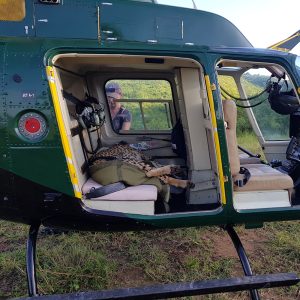
(C) Lilongwe Wildlife Trust
Animals: a diverse range including elephants, rhinos & primates
Established: 2014
Work: rescue & care / wildlife trade
In 2014 LWT, in collaboration with the Department of National Parks and Wildlife, established the Wildlife Emergency Response Unit (WERU) which provides field veterinary-related support for wildlife emergencies and conservation projects across Malawi. Supported by Born Free, WERU aims to treat injured wildlife, relocate animals in conflict with communities and provide veterinary support to projects that monitor and protect wildlife at risk.