
Agroforestry school supports conservation in Cameroon
Born Free is supporting pupils in an ‘agroforestry’ school, equipping them with the knowledge and tools they need to start generating sustainable livelihoods.
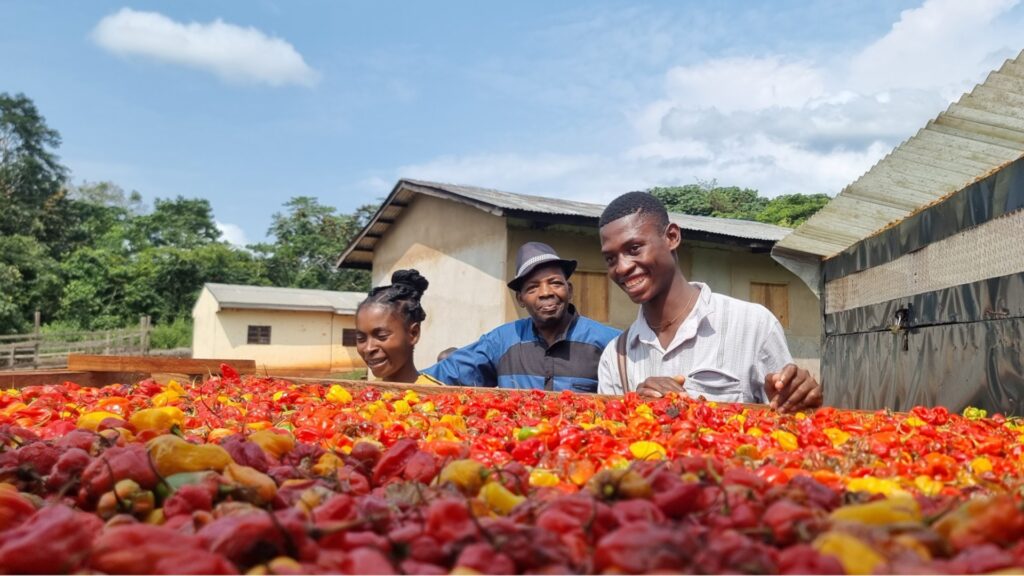
Centre de Formation Agricole (CFA) students and one of their teachers with their pepper harvest
Today, Saturday 21st March, is the International Day of Forests, and the theme this year is ‘forests and economies’. One of the ways in which forests can contribute to local economies is agroforestry: the combining of agriculture with restoring forests and biodiversity. But why should a charity devoted to wildlife, like Born Free, care about farming methods?
“If you want to protect gorillas and other rare species in the rainforests of Cameroon, you need to start by empowering local people”, explains our Head of Conservation, Dr Nikki Tagg.

Dr Nikki Tagg
In southeast Cameroon lies the Dja Faunal Reserve, a species-rich rainforest, home to some of the world’s most iconic but endangered species including western lowland gorillas, central chimpanzees, forest elephants, and giant pangolins.
On the northern periphery of the reserve, there has been intense wildlife poaching, with species hunted unsustainably for income and food. This has included many threatened species, not least great apes and pangolins, who are often caught in indiscriminate snares set illegally to trap wildlife.
Protect trees, save wildlife
The traditional ‘slash and burn’ farming method – the cutting and burning of trees and plants to create a field for crops, has also resulted in the degradation of many hectares of forest. Since 2022, Born Free has partnered with Association pour la Protection des Grands Singes (Association for the Protection of Great Apes) to address this threat, and combat poaching and unsustainable forest clearing in the region.
“Born Free’s Guardians of Dja programme seeks to help farmers and other community members to convert subsistence activities into sustainable trade for reliable income sources,” explains Donald Mbohli, Guardians of Dja programme lead. “This also reduces communities’ reliance of natural resources, protecting wildlife and habitat.
“Along with working closely with farmers, hunters and community members, we provide conservation lessons in schools to improve awareness and acceptance of wildlife, and conservation activities. We also support students at a local agroforestry school.”
Sustainable agriculture
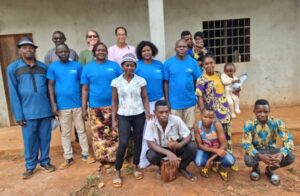
(c) Donald Mbohli
Natural resources are a key income source in the region, so the Guardians of Dja programme is supporting young adults to develop the skills they need to generate income sustainably, through agroforestry training.
Each year, we support young people from 12 years to early 20s, through a programme at an agroforestry training centre, the Centre de Formation Agricole (CFA), which provides practical, hand-on training on sustainable livelihood generation. To ensure students gain the most from their experience, Born Free supports the lodging, food, and training of pupils, along with providing salaries and education material for the school’s teachers and assistants.
This year, 63 pupils from 26 villages are registered in the school, including nine indigenous pupils – a marginalised group in Cameroon. The Baka are semi-nomadic forest-dwellers who also live in Gabon, Congo and Central African Republic. They have faced barriers to access education, but Donald is keen to ensure they are welcomed at the agroforestry school.
After graduation

Cocoa Plant (c) Blaise Eyong
Following a three-year training programme, when students graduate we equip them all with the tools they need to set-up sustainable income generation. This helps ensure they don’t need to turn to poaching or unsustainable farming to support themselves and their families.
With support from Born Free, recent graduates have begun growing cocoa and other cash crops, which grow quickly and can be sold to generate income. Creating opportunities for sustainable income is vital to ensuring natural environments and wildlife remain protected.
Conservation takes many forms. By working closely with local communities and providing alternative solutions to poaching and deforestation, we are reducing the impact of people a fragile ecosystem and protecting the incredible species that call this area home.
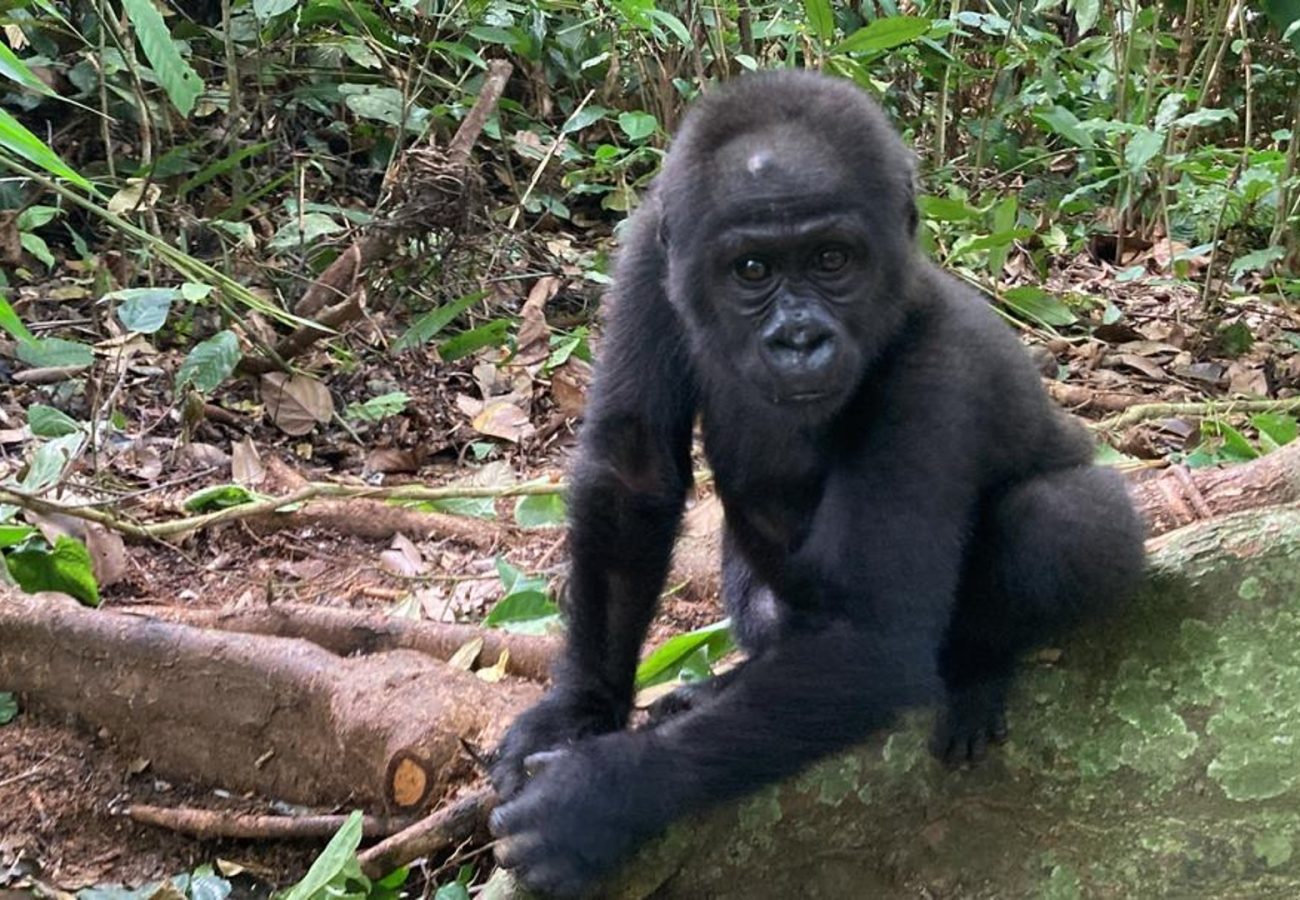
WANT TO HELP DJA'S WILDLIFE?
The Gorilla Family is a large group of rescued gorillas, led by Bobo the silverback male. They are cared for by Born Free’s friends at Ape Action Africa and live at their rainforest sanctuary in southern Cameroon.
Adopt them today to help fund the gorillas’ food and care, and protect wild gorillas and their natural habitat in Dja Biosphere Reserve, Cameroon.