
Operation Thunder rescues almost 30,000 live animals from traffickers
2025 figures offer a stark reminder of the escalating scale of global wildlife trafficking, fuelled by demand for exotic pets.
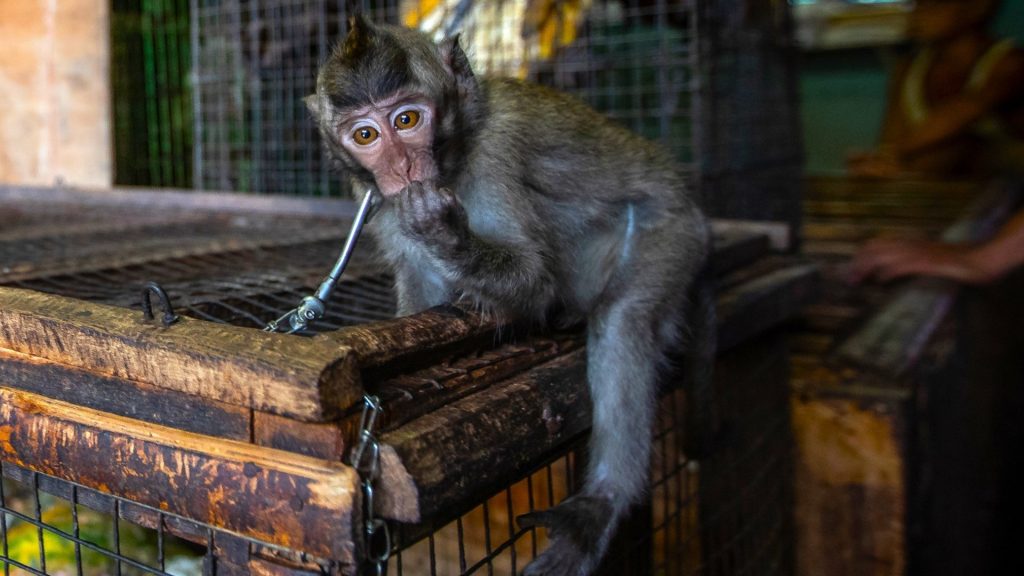
(c) Aaron Gekoski
From 15 September – 15 October 2025 law enforcement and wildlife agencies from 134 countries participated in ‘Operation Thunder’. Coordinated by Interpol and the World Customs Organisation, and now in its 9th year, the annual operation targets transnational wildlife trafficking networks.
During Operation Thunder 2025, over 4,600 seizures took place. Close to 30,000 live animals were rescued from traffickers, many of which were being shipped to supply the increasing demand for exotic pets.
In addition, tens of thousands of cubic metres of illegally logged timber and more than 30 tonnes of protected animal and plant parts and product were seized. Approximately 1,100 suspects were identified, and trafficking routes were disrupted.
Confiscated live animals included birds; tortoises, turtles and other reptiles; primates; and even big cats including endangered species such as tigers.
While Born Free welcomes these efforts, the seizures represent a tiny fraction of an illicit global trade worth an estimated $20 billion USD annually. The operation also highlighted worrying trends, including a surge in the trafficking of exotic pets driven by consumer demand, and the wide circulation of wildlife products such as bushmeat, ivory, pangolin scales, timber, plants, and insects.
The criminal networks involved in the trade are highly sophisticated and adaptable, often intersecting with other forms of organised crime. Their activities continue to drive biodiversity loss, animal suffering, and species decline worldwide.
Responding to the news, Born Free’s Head of Policy Dr Mark Jones said: “The work of enforcement authorities across the world during Operation Thunder in 2025 is highly commendable. However, the increase in seizures over the years in which Operation Thunder has been running reflects the ever-expanding scale of international wildlife trafficking, which is coordinated by organised criminal networks and is destroying the lives of animals and disrupting efforts to conserve threatened species.
“Far more needs to be done to tackle wildlife trafficking if we are to meet the internationally agreed goal to halt and reverse biodiversity loss, put nature back on a path to recovery, and ensure that the use, harvesting and trade of wild species is sustainable, safe and legal, by 2030. All countries need to treat wildlife trafficking as serious crime, ensure that penalties for perpetrators are truly deterrent, and put the necessary resources into tackling this scourge.”
Born Free is a founding member of the Global Initiative to End Wildlife Crime, which is advocating for a binding global agreement on tackling wildlife trafficking to be embedded in the international criminal justice system. We also support wildlife crime enforcement and training for police officers here in the UK.