
How to plan an ethical safari
Where would you like to go on holiday this year? A safari to our heartland of Kenya could be ideal, so we asked our partners at Gamewatchers Safaris and Porini Camps for their advice.
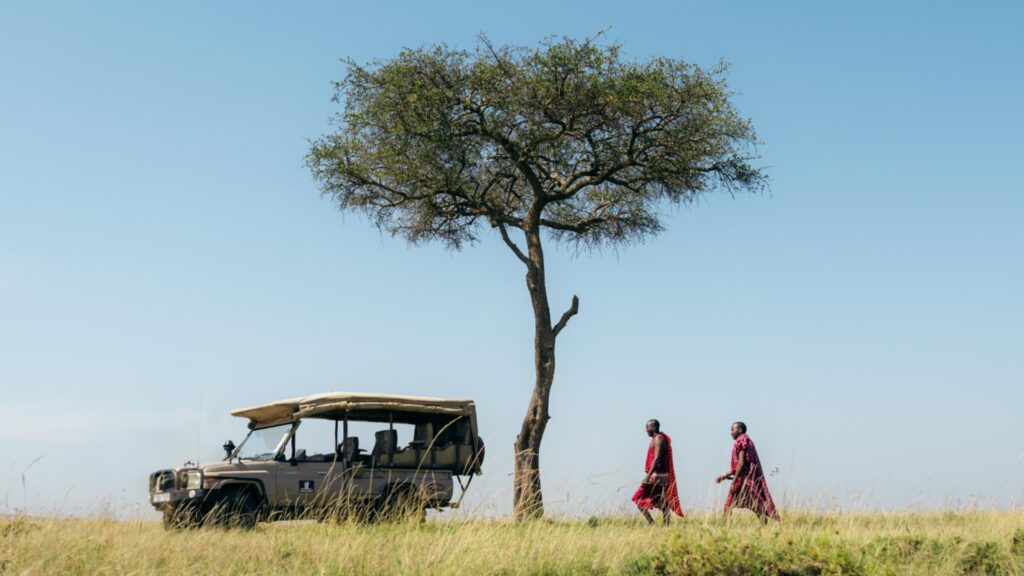
(c) Gamewatchers
A trip to Kenya to see incredible wildlife on safari could be the holiday of a lifetime. But how do you stay away from the crowds, ensure your trip is eco-friendly, and help support local communities and wildlife? Gamewatchers Safaris and Porini Camps are here to help, with their award-winning eco-bush camps.
Step 1: Choose the right camp

Rhino River Camp (c) Gamewatchers
An ethical safari begins with the choices you make about where to stay. The right camp doesn’t just offer comfort, it should actively protect wildlife and support local communities.
Rhino River Camp, nestled in a lush forest along a quiet river in Kenya’s Meru ecosystem, is a powerful example of this balance. Set in a fragile riverine habitat, the camp is carefully designed to blend into its surroundings with minimal environmental impact, ensuring the ecosystem remains undisturbed.
Its small, intimate nature allows for a deeper connection with the wild, from watching elephants move silently through the trees to experiencing the rich diversity of birdlife that thrives in this unique landscape.
Choosing a camp like Rhino River Camp means your stay directly contributes to conservation efforts and community support. By prioritising sustainability, responsible tourism, and local partnerships, it demonstrates how tourism can be a force for good – protecting habitats, creating livelihoods, and preserving the magic of Africa’s wilderness for generations to come.
Step 2: Understand conservancies and their role
Conservancies are the lifeblood of ethical safari travel. Ol Kinyei and Selenkay Conservancies are living examples of how careful stewardship transforms landscapes. Ol Kinyei, with the highest density of lions in Kenya – over 72 resident lions – offers unforgettable predator sightings, while Selenkay provides a sanctuary for elephants, cheetahs, and countless other species.
By staying in these conservancies, you are directly contributing to protecting these animals, supporting anti-poaching initiatives, and preserving fragile ecosystems. Every safari moment here carries meaning, knowing that your presence sustains life, not just experiences.
Step 3: Support local communities

(c) Porini Camps
Wildlife can thrive when communities thrive. Through ethical tourism, we partner closely with local communities to ensure that conservation brings real, lasting change.
A shining example is the Smart Learning Project, run with the Wildlife Habitat Trust and WiLearn4Life. Since 2021, seven schools in Selenkay and Ol Kinyei have been transformed with tablets and interactive smart boards, giving children access to digital learning for the first time. Your visit helps projects like this continue – opening doors to knowledge, inspiring dreams, and creating a legacy of opportunity alongside conservation.
Step 4: Leave a positive legacy
An ethical safari is more than a journey, it’s a chance to leave the world better than you found it. Every trip with Gamewatchers Safaris and Porini Camps protects habitats, empowers communities, and safeguards Africa’s wild spaces for future generations.
Step 5: Make it personal
A safari is not just what you see, it’s how it moves you. By choosing an ethical path, you connect with the land, the wildlife, and the people in a way that transforms your experience into something profoundly meaningful.
With Gamewatchers Safaris and Porini Camps, every journey leaves a positive footprint, creating memories that last a lifetime while making a real difference to Africa’s wildlife and communities.