
From conflict to coexistence – changing perceptions to protect hyenas in Kenya
Hyenas are often the forgotten carnivore of conservation work, but Born Free is stepping up to help improve attitudes towards these fascinating animals.
(c) www.georgelogan.co.uk
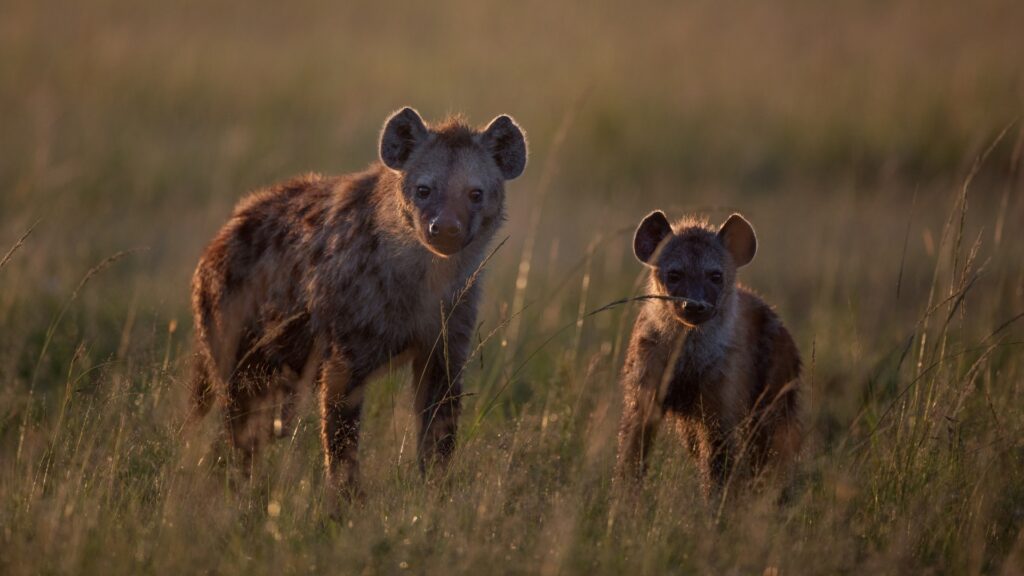
Portrayed as villainous and sneaky with eerie laughs, hyenas are an underappreciated carnivore. As keystone species, apex predators and part of nature’s clean-up crew, hyenas play an important role in contributing to healthy landscapes – but can also find themselves at the centre of human-wildlife conflict.
In Kenya and Ethiopia, two of the African countries where Born Free works, three out of four species of the Hyaenidae family are found: spotted and striped hyenas, and the lesser-known species, the aardwolf.
Our Ensessa Kotteh Sanctuary in Ethiopia is home to six spotted hyenas, who have been given a forever home following human-wildlife interactions. In Kenya, spotted and striped hyenas roam both the Meru and Amboseli landscapes, where our teams work to reduce human-wildlife conflict.
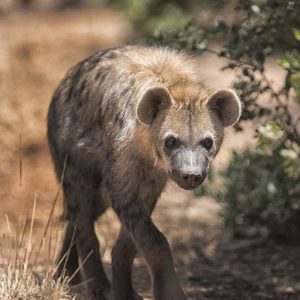 As widely adaptable carnivores, hyenas are found in a range of habitats, including deserts, montane forests and open savannas. This adaptability has also led them to live close to people in some areas – sometimes extremely close. In Ethiopia, some spotted hyenas have even found their home in the capital city, Addis Ababa. While this flexibility has allowed hyenas to adapt to an ever-changing world, it also leads to increased human-wildlife conflict.
In both the Meru and Amboseli landscapes, our teams record human-carnivore conflict, and spotted hyenas are frequently reported in conflict events. In Meru, hyenas account for the majority of reported conflict events.
Hyenas lack the icon status given to other predators such as lions, leading to lower tolerance levels. A lack of knowledge about their behaviour also increases levels of fear. Many of the conflict events reported to our field teams are the presence of predators in an area, rather than a direct livestock predation event.
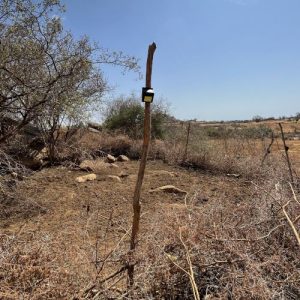
Predator-deterrent light installed around a boma in Meru.
Our Predator-Proof Bomas and Predator Deterrent Lights provide physical measures to protect livestock from hyenas, but education and community engagement is needed to further promote sustainable coexistence between people and hyenas. For generations, cultural narratives have portrayed hyenas as dangerous, deceitful, or unclean animals, reinforcing fear and intolerance towards them.
That is why, in the year ahead, our Pride of Meru team is expanding its outreach work to help reshape how hyenas are understood, valued, and share the landscapes they call home. By equipping communities with knowledge on how best to handle hyena presence, protecting themselves and their livestock, we hope to reduce fear of hyenas and support communities to gain the knowledge and tools needed respond to carnivore threats.
Community-led conservation programmes have shown than increasing local understanding of wildlife can reduce fear and improve tolerance. Education and community engagement are critical foundations for sustainable human-hyena coexistence.
Protecting hyenas is not just about defending a species long defined by myth and misunderstanding. It is about enabling coexistence instead of conflict in a human-dominated age. Education challenges fear, and engagement builds respect.
When communities become partners in conservation, shared landscapes become possible, places where people and wildlife endure together, shaping a future built not on fear, but coexistence.
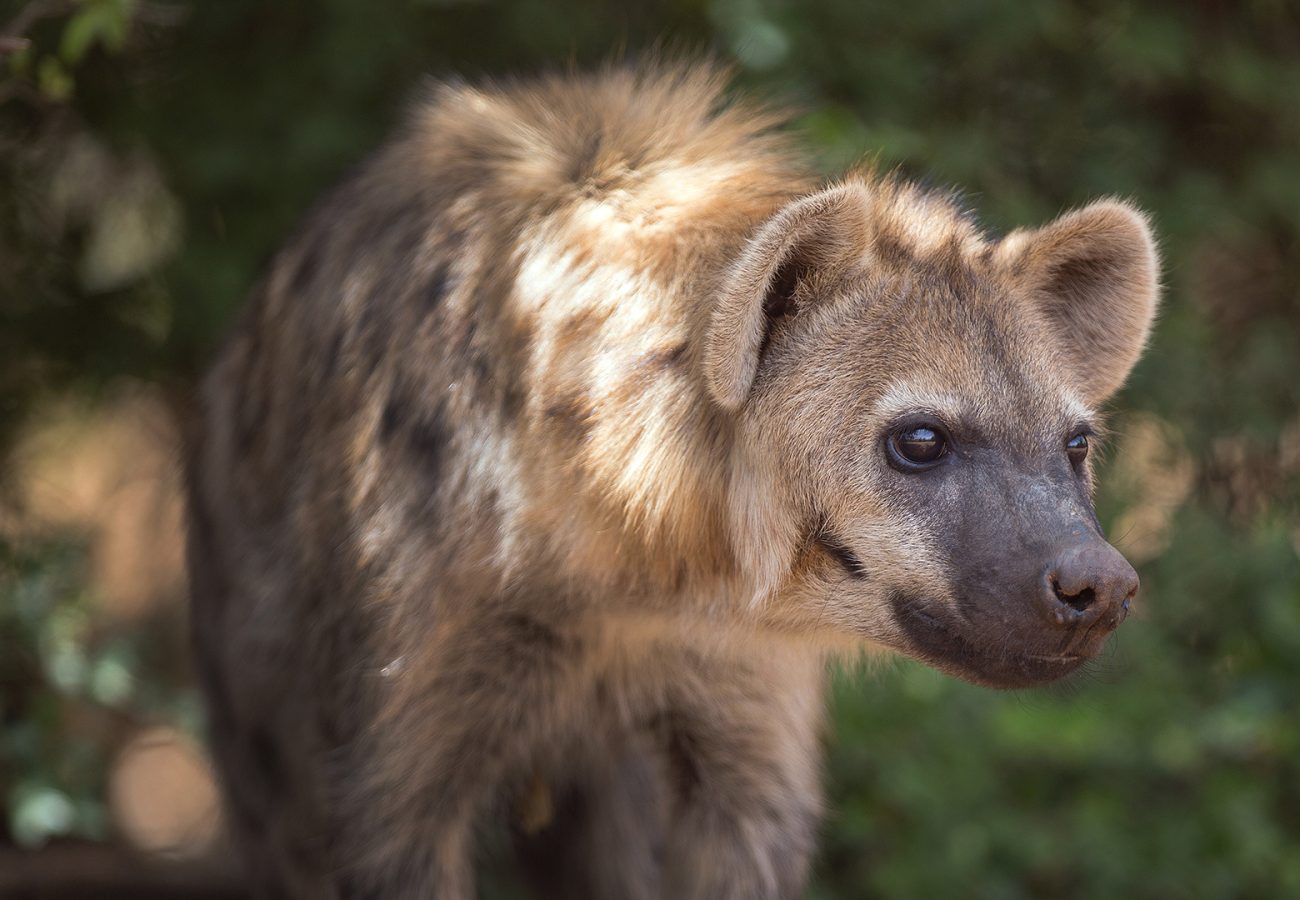
LOVE HYENAS?
Born Free is committed to community-led conservation and providing life-time care for rescued hyenas and your support ensures this is possible. Will you help us continue to protect hyenas?