
Born Free calls for safer and more sustainable ways to manage wild animals
Wildlife management was under discussion at UN global biodiversity talks in Nairobi, Kenya.
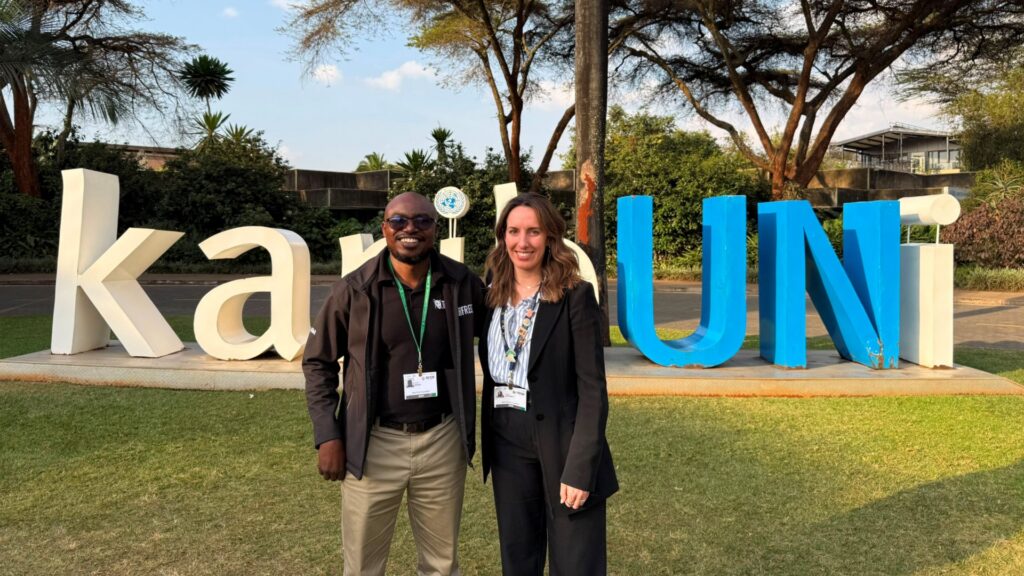
Born Free’s Dr David Manoa and Adeline Lerambert at the CBD convention in Nairobi
At a meeting of the United Nations Convention on Biological Diversity’s (CBD) scientific body in Nairobi, Kenya, Born Free championed a more precautionary approach to the way wild animals are used, traded and managed around the world.
 True sustainability is about more than simply maintaining wildlife numbers. It must also protect ecosystems, recognise the many threats wild animals face, reduce the risk of diseases spreading between animals and people, and take animal welfare into account. This was the approach put forward by Born Free to help shape the discussions and resulting recommendations.
The meeting took place at an important moment for global biodiversity efforts, as governments reached the halfway point towards achieving the global biodiversity targets for 2030, agreed in 2022.
Recommendations from the meeting will be considered at the next major biodiversity conference, CBD COP17, which will take place in Armenia in October. One of the topics discussed was new global guidance on sustainable wildlife management, which aims to help governments ensure that the use of and trade in wild animals are genuinely sustainable, safe and legal.
Is the world on track to meet 2030 biodiversity targets?
Governments reviewed progress towards the global biodiversity targets for 2030 and highlighted major challenges, including gaps in biodiversity data, limited monitoring and a lack of financial and technical support to help countries deliver effective action. Delegates also discussed how progress should be measured. While many agreed that better information is needed, some expressed concerns about adding new reporting requirements.
For Born Free, these discussions reinforced an important message: Assessments of whether activities involving wildlife should be considered “sustainable” must be based on scientific evidence, strong safeguards and proper monitoring. We cannot wait for every risk to be fully understood before taking action to protect wildlife. Where there is uncertainty, governments should take a cautious approach and act early to prevent harm, rather than allowing threats from wildlife exploitation to exacerbate.
What does sustainable wildlife management look like?
The draft global guidance on sustainable wildlife management, which was discussed at the meeting, received broad support, although some political issues will now be considered at COP17 in Armenia.
The draft guidance includes the important recognition that wildlife management must protect habitats, apply a precautionary approach and consider animal welfare. It also highlights the importance of involving different communities and knowledge systems, respecting rights, and ensuring that the costs and benefits of wildlife management are shared fairly.
Many countries also called for stronger support to make conservation work in practice, including better funding, greater involvement of indigenous peoples and local communities living alongside wildlife, improved approaches to human-wildlife conflict, and greater recognition of the links between the health of people, animals and the environment through a One Health approach.
Throughout the week, Born Free called for sustainable wildlife management to be:
- Humane and safe, not just focused on maintaining wildlife populations.
- Precautionary, especially where the impacts of a use or management practice on wildlife, people or ecosystems are uncertain.
- Supported by strong safeguards and traceability, rather than relying only on whether an activity is legal.
- Based on coexistence, through the promotion of non-lethal, community-led approaches to human-wildlife conflict.
Born Free’s International Policy Manager Adeline Lerambert said: “We need a shared understanding that sustainable wildlife management is not just about use, it is about protecting wildlife, ecosystems and people for generations to come. This new guidance is a unique opportunity to redefine what sustainable wildlife management means in practice: putting precaution, protection and coexistence at its heart.”
Legal doesn’t always mean sustainable
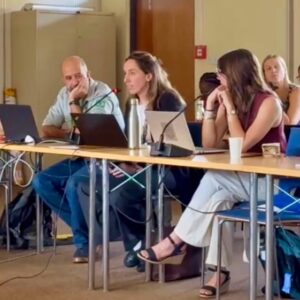
Adeline Lerambert (centre)
At the meeting, Born Free and the World Federation for Animals co-hosted a side event, From Use to Sustainability: Rethinking the Management of Wild Animals. This brought together experts from across the scientific and conservation communities, including animal protection organisations, veterinarians, animal welfare specialists and representatives of indigenous peoples and local communities.
During the event, Born Free highlighted that legal or regulated wildlife use is not automatically sustainable. Decisions about wildlife use must also consider ecological limits, other threats to wildlife populations, animal welfare, disease risks and the wider impacts on nature.
The event also showcased practical conservation work in Kenya. Born Free shared our experience supporting non-lethal approaches to reducing human-wildlife conflict, demonstrating how lessons from the field can help shape international policy.
Born Free’s Head of Kenya Programmes Dr David Manoa explained: “Practical experience from communities living alongside wildlife can and should help shape policy. The lessons learned on the ground are invaluable for designing effective, humane and sustainable approaches to human-wildlife conflict.”
Born Free also spoke at another event on how governments can better manage the movement of wild animals for conservation, trade, rescue and other purposes.
We highlighted why decisions about moving wildlife must follow a precautionary One Health approach. In many cases, it is impossible to predict every risk. Moving animals can spread disease, affect animal welfare, and disrupt populations and ecosystems.
Born Free called on governments to follow a simple approach: avoid risks where possible, reduce risks when they cannot be avoided, and carefully manage any remaining risks. Wildlife movements should only happen when they are ecologically sustainable, transparent, traceable and supported by appropriate monitoring.
We also stressed that better cooperation between environmental, trade, veterinary and public health authorities is needed to ensure wildlife movements are not only lawful, but also safe for animals, people and the environment.
Looking ahead
This meeting was an important step towards a better approach to managing wild animals. It emphasised that sustainability is about more than following the rules or maintaining wildlife numbers: it is about protecting wild animals and habitats, reducing disease risks and helping people and wildlife live alongside each other.
At CBD COP17 in Yerevan, Armenia, governments will take forward discussions on a wide range of biodiversity challenges. Born Free will be there to champion stronger protection for wild animals and highlight the connections between wildlife, ecosystems, health and climate. As the global biodiversity crisis accelerates, we will continue to call for meaningful action to turn global commitments into real change for wild animals, people and the planet.