
Killjoys or animal advocates: Is the Green Party right about zoos?
The debate over the future of zoos in the UK has intensified after the Green Party of England and Wales reaffirmed its policy calling for the abolition of traditional zoos and private animal collections.
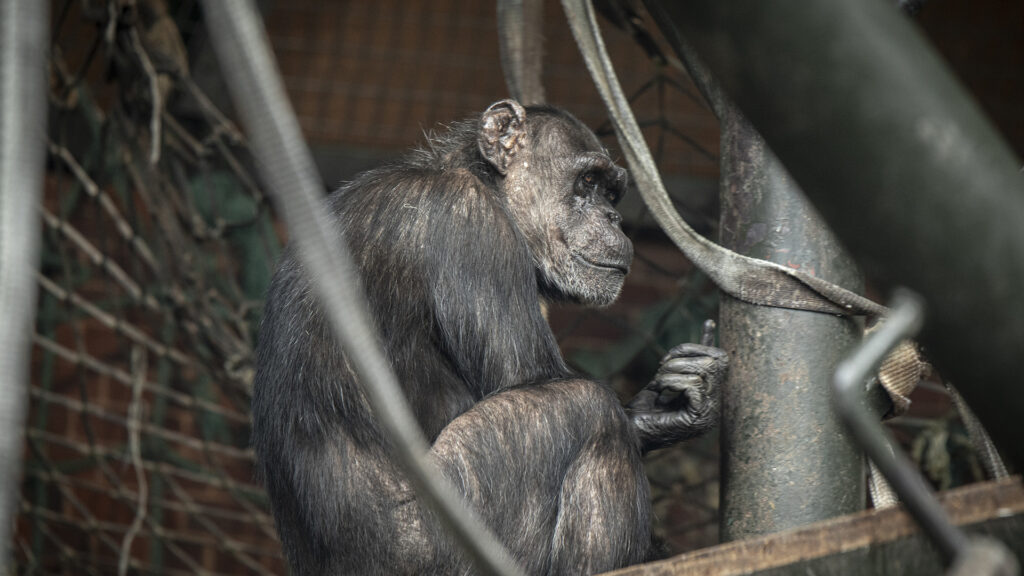
A chimpanzee at Chester Zoo (c) Aaron Gekoski
Under Article 427 of its animal welfare policies, the Green Party has proposed abolishing zoos and private collections of wild animals, with licences granted only in limited circumstances. These exceptions would include facilities that provide sanctuary for animals unable to return to the wild or programmes that breed endangered species specifically for reintroduction into their natural habitats.
In other words, the policy aims not to eliminate all animal care facilities, but to shift away from institutions that display wildlife primarily for public entertainment. Instead, it would prioritise sanctuaries, rescue centres and conservation programmes whose main purpose is the welfare of animals and the recovery of wild populations.
Many members of the public may be shocked to learn that the reintroduction of wild animals is not the predominant remit of UK zoos already.
Zoos often argue that they play a vital role in conservation, education and scientific research; pointing to breeding programmes, wildlife awareness campaigns and habitat protection efforts funded through zoo revenues.
However, Born Free challenges the scale and effectiveness of these contributions. In reality, a zoo can legally operate within the UK without ever releasing or reintroducing an animal into the wild. In fact, over 75% of the species kept by zoos in the UK are not threatened with extinction, so there is not even an attempt to reintroduce them to the wild because it is not necessary.
Many zoo conservation claims do not translate into meaningful protection for animals in the wild, breeding programmes primarily act as a mechanism for ‘re-stocking’ zoos with further animals, and the long-term educational benefits from visiting a zoo are highly contested. The primary function of many zoos remains entertainment, as exemplified by the millions of pounds zoos spend on building new enclosures, whilst in contrast, a significantly smaller figure (if at all) is donated to conserving animals and their habitats in the wild.
Born Free has argued for decades that many wild animals simply cannot have their complex physical and social needs met in captivity. In particular, elephants, big cats and great apes inhabit complex natural environments, with intricate social structures and climatic conditions that current zoos cannot replicate. As a result, they commonly experience a variety of captivity-related health conditions, with their presence in zoos doing little to benefit the conservation of their cousins still living in the wild, ultimately raising fundamental ethical questions about the role of zoos today.
The plight of many species and individual animals in zoos continues to fuel a growing public debate about the ethics of keeping wildlife in captivity. Previous research by Born Free highlighted that approximately three-quarters of survey respondents supported the phasing out of large mammals in zoos, including species such as elephants, lions and giraffes.
Ultimately, the Green Party’s proposal forces a broader discussion: What role should captivity play in wildlife conservation today, if any?
For Born Free, the answer is increasingly clear. In an era of biodiversity crisis and greater scientific understanding of animal cognition and welfare, we believe that conservation must move beyond traditional zoo models.
Ending the display of wild animals for entertainment, and investing instead in habitat protection, rescue and rehabilitation, could, mark an important step toward a more ethical relationship with the natural world.
Find out more about Born Free’s position on zoos in the UK: