
CITES CoP20 – some good outcomes for wildlife in a time of uncertainty
Born Free’s Head of Policy, Dr Mark Jones, reports back on the key outcomes from the international wildlife trade conference.
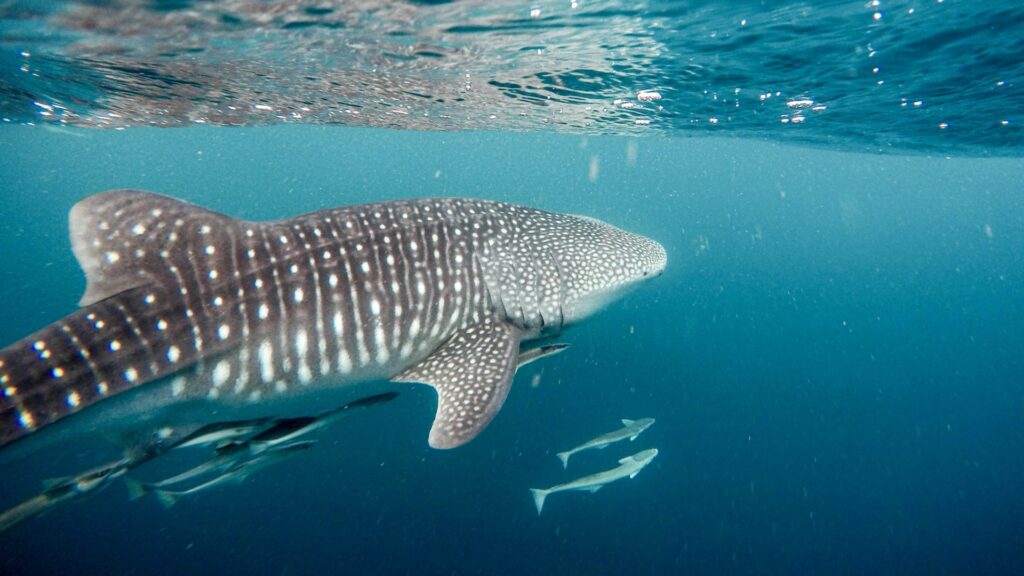
Whale shark (c) Jeremy Bishop on Unsplash
The Convention on International Trade in Endangered Species of Wild Fauna and Flora (CITES) – the global agreement that regulates international trade in threatened plants and animals – meets roughly every three years to decide which species need protection and to update trade rules accordingly.
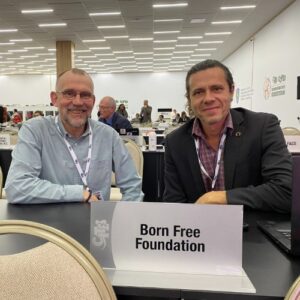
Dr Mark Jones (L) and Gabriel Fava at the conference
At CoP20, held in Samarkand, Uzbekistan from 24 Nov – 5 Dec 2025, government members, or parties, considered 51 proposals affecting many hundreds of species – ranging from iconic mammals to marine fauna, reptiles, amphibians, and plants – along with over 100 additional documents on regulation, enforcement, welfare, and trade policy.
For Born Free, the stakes were high. The world’s wildlife is in crisis, and many vulnerable species are over-exploited to meet the seemingly insatiable demand for wild animals, or parts or products derived from them, to be used as pets, trophies, food, tonics, traditional medicines and trinkets.
CITES offered hope to some of those species and danger to others, and can decide to increase or decrease protection from trade. So, did CoP20 deliver lifelines or further imperil already threatened species?
Key Gains for Wildlife
The CoP adopted unprecedented protections for over 70 species of sharks and rays, including the uplisting of highly threatened species to Appendix I. That means international commercial trade in these species is now banned. Key beneficiaries include the oceanic whitetip shark, manta and devil rays, and the iconic whale shark.
Other marine species – such as wedgefish and giant guitarfish – received “zero quota” restrictions (suspension of wild-caught exports), while additional sharks were placed on Appendix II, meaning trade in them will be subject to regulations aimed at ensuring it is both legal and sustainable.
New protections were also agreed for many terrestrial species. Okapis and the golden bellied mangabey (an endangered primate), both of which are found exclusively in the Democratic Republic of Congo, were afforded maximum protection with Appendix I listings. Two Critically Endangered species of African vulture were also ‘uplisted’ to Appendix I.
Dorcas gazelles, striped hyenas and two-toed sloths were listed on Appendix II, as were African hornbills which are threatened by the trade in their skulls and bills, used for ornaments. Reptiles threatened by demand for exotic pets, including Galapagos iguanas, Ethiopian mountain adders and Australian geckos, also won new protections.
The successful listing of these and other species on the CITES appendices represents a critical lifeline, and a major step forward in efforts to protect them and halt their demise.
Some governments came to CoP20 with the intention of reducing protections for iconic species in order to facilitate international trade. Namibia proposed changes to the listing of its elephants and rhinos to allow it to trade in ivory and rhino horn; several southern African countries attempted to remove the regulation of trade in their giraffe populations; while Canada and the Unites States tried to reduce the level of protection afforded to peregrine falcons.
These dangerous proposals were heavily voted down, which meant that these species avoided potentially dire consequences. For Born Free, which had strongly opposed proposals to weaken protections, this important outcome demonstrated that the Convention still has the resolve to resist pressures from trade interests.
Where CoP20 Fell Short
Unfortunately, not everything went well in Uzbekistan. Efforts to introduce trade regulations for Japanese and American eel species, to harmonise eel protection and help prevent the laundering of the beleaguered European eel, one of the most heavily trafficked animals globally, failed to get the the two thirds majority required, leaving these species at the mercy of traders and traffickers.
Parties also approved a proposal to allow international commercial trade in saiga horn from Kazakhstan under new quota rules. Given the history of the saiga antelope which was almost extinct a few short years ago, thanks largely to demand for its horn, and the ongoing vulnerability of some populations (for example in Mongolia), the resumption of commercial trade risks reversing decades of conservation progress and could send a dangerous signal to consumers and traders.
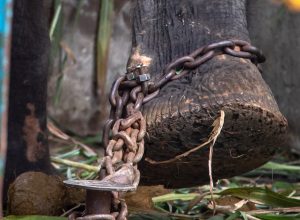
(c) Aaron Gekoski
The conference also failed to draw the longstanding debate over the controversial trade in wild-caught live African elephants to zoos and other captive facilities to a close, with the outcomes from a meeting held between African elephant range states resulting in ambiguity. This could open the door for more wild elephants to be cruelly captured and sold to far-flung destinations where they will be forced to endure life in wholly inappropriate captive conditions.
Disappointingly, at the Standing Committee meeting the day before CoP20 began, CITES opted to remove restrictions on the trade in live long-tailed macaques from breeding farms in Lao PDR and Cambodia to supply the huge demand for these widespread but endangered and fast-disappearing primates, in spite of ongoing concerns about the use of such facilities to ‘launder’ wild-caught macaques into trade.
At that same meeting, the Committee failed to impose restrictions on imports of live animals to India, where the mega-wealthy Ambani family have collected over 50,000 animals belonging to more than 2,000 species from all over the world, many threatened with extinction, since 2022, at their captive Vantara facilities in the state of Gujarat.
Mixed Emotions
For Born Free, the outcomes of CoP20 were a mix.
On the one hand, the sweeping protections for marine species and other vulnerable taxa represent a once-in-a-generation opportunity to put the brakes on the trade in these species, to curb the associated declines and protect the integrity of their ecosystems.
On the other hand, decisions such as reopening trade in saiga horn show how fragile conservation gains remain, and how quickly they can be undermined if market pressures are allowed to override species protections. The failure of the conference to finally agree to end the trade in live elephants, its failure to address the export of thousands of live animals to captive facilities in India, and the reluctance of Parties to adopt a clear role for CITES in reducing health risks, reflected a continuing lack of appreciation among many delegates of the importance of addressing the animal welfare harms associated with international wildlife trade.
In the build up to and at the conference, Born Free’s team met with many government officials, prepared and circulated briefings, made statements from the floor during the formal discussions, and participated in side-events on the role of CITES in preventing the spread of diseases, the impacts of the exotic pet trade, and the importance of CITES listings to species recovery.
CITES at a crossroads
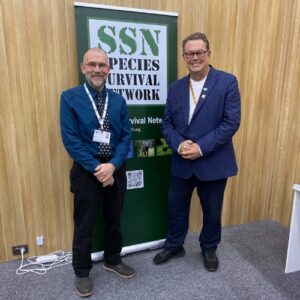
Dr Mark Jones and Will Travers OBE
While these meetings often focus on fine details, the Convention itself is at a crossroads. At a time when we need CITES to be doing more to protect the ever-increasing number of species that are threatened by trade, funding for the Convention’s work is drying up, and many governments are failing to prioritise the implementation and enforcement of wildlife protections as they focus on other issues.
During the second week in Samarkand, Born Free hosted an event to highlight these challenges, and to consider possible solutions. Born Free’s co-founder and Executive President Will Travers OBE moderated this timely event, with representatives from the governments of Sri Lanka and Nigeria, and experts on wildlife trade, international wildlife law, and CITES itself, participating in a panel discussion.
While we cannot hope to solve the challenges in one lunchtime meeting, the event gave the 100-or-so participants plenty of food for thought.
Why It Matters — And What Comes Next
The species that have been newly listed on the CITES appendices, or have had their level of protection enhanced, now have a better chance of survival. For the marine species, and those threatened by the global pet trade, CoP20 could indeed mark a turning point.
However, as always with CITES, listing a species is only the first step. What really matters – and what Born Free will continue to push for – is effective implementation, enforcement, and compliance at national and international levels. Without that, even the best decisions in Samarkand risk remaining merely symbolic.
CoP20 has shown that CITES remains relevant and capable of delivering strong protections – but also that the Convention’s success depends on vigilance: in law, enforcement, trade monitoring, political will and public awareness. The Convention needs to adapt to ensure it is fit for the future, and a sustainable, long-term funding model is critical.
For Born Free, CoP20 is not the end of a process – rather it’s a call to action. The challenge ahead lies in turning decisions on paper into real-world conservation successes. Implementation, oversight, demand reduction, and global collaboration will be vital.
Our work to ensure wildlife survives and thrives in the wild where it belongs, and to tackle the exploitation of wild animals wherever it occurs, continues unabated. The strong, precautionary and successful regulation of wildlife trade is key.
CITES has many flaws, and is in urgent need of reform, but without it our work would be so much harder.