
Born Free condemns Botswana’s increased elephant hunting quota
We’re urging the authorities in Botswana to think again, and adopt compassionate, non-lethal approaches to foster human-elephant coexistence.
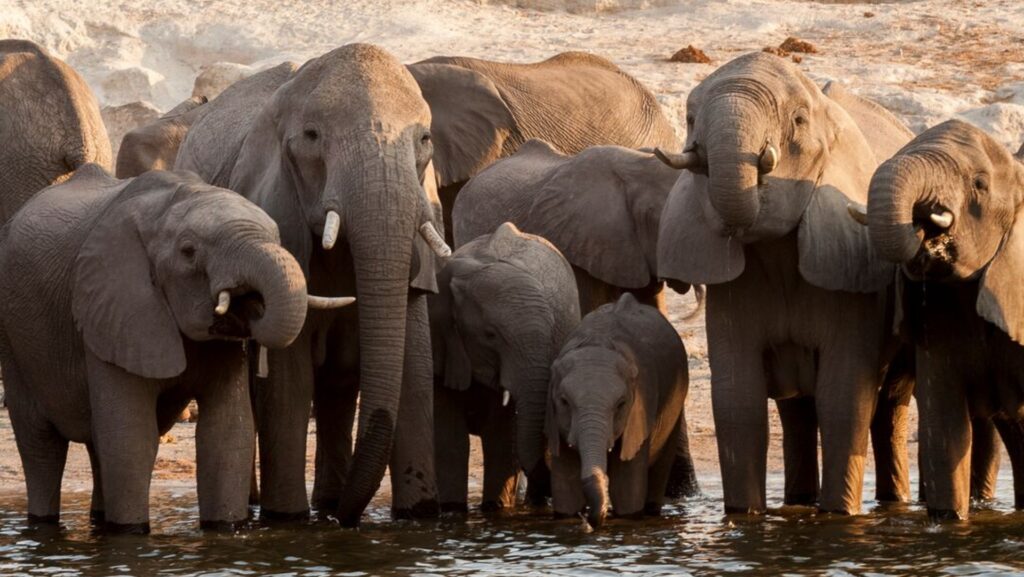
Wild elephants in Botswana (c) richardhurrell.com
Botswana’s reported decision to increase its elephant trophy-hunting quota to 430 individuals in 2026, and its publication of the quotas for other iconic species such as lions and leopards, are deeply troubling and fundamentally at odds with compassionate, science-led conservation.
After the increased quotas were released this week, Dr Mark Jones, Head of Policy at Born Free, reacted, saying: “Trophy hunting has contributed to the decline of many wildlife populations across Africa, and elephants are no exception. Botswana is home to one of the few remaining large elephant populations in Africa. Allowing wealthy trophy hunters to kill more elephants is no way to address poverty or human-wildlife conflict – indeed it will likely make matters worse.”
Born Free is ethically opposed to the hunting or killing of any wild animal for sport or pleasure and consistently challenges the assertion that trophy hunting delivers meaningful conservation or community benefits.
Elephants are among the most intelligent, socially complex mammals on Earth. Their societies are built on the strong social bonds between individuals and among close-knit family groups. When mature elephants are targeted by trophy hunters, these bonds are inevitably severed, resulting in disruption of the social stability of family groups and populations, with adverse consequences for individual animals, the wider environment, and people.
Trophy hunters preferentially target the animals that make the best trophies, and in the case of elephants this typically means that the largest males with the longest tusks. The selective killing of these animals skews age structures, eroding the social and genetic integrity and undermining the natural behaviours that are critical to healthy elephant populations.
As well as adversely affecting the welfare of targeted individuals and the well-being of their social groups, the removal of particular cohorts, even if it represents a relatively small proportion of the overall population, can have disproportionate impacts on the genetic and social fabric of elephant herds, and may affect the resilience of populations over the long term. Science tells us that setting hunting quotas without robust, up-to-date population data carries the risk of undermining conservation efforts at national and regional levels.
Moreover, Born Free questions the claim that trophy hunting provides substantial benefits to local communities, or that it helps reduce human-elephant conflict. Analysis from across southern Africa repeatedly indicates that the bulk of the revenues from trophy hunts typically accrues to hunting operators and intermediaries, with only a small fraction reaching local people (see example). This undermines arguments that hunting quotas are vital for rural livelihoods or community development and underscores the need for alternative economic opportunities that truly empower local people while protecting diminishing wildlife populations and their habitats.
Dr Jones concluded: “We urge the authorities in Botswana to think again, and adopt compassionate, non-lethal approaches to foster human-elephant coexistence, including ethical ecotourism, investment in landscape protection, and conflict mitigation strategies that meet the needs of local people while respecting the intrinsic value of individual animals. Strengthening human-wildlife coexistence ultimately delivers more sustainable, humane outcomes for both people and elephants.”
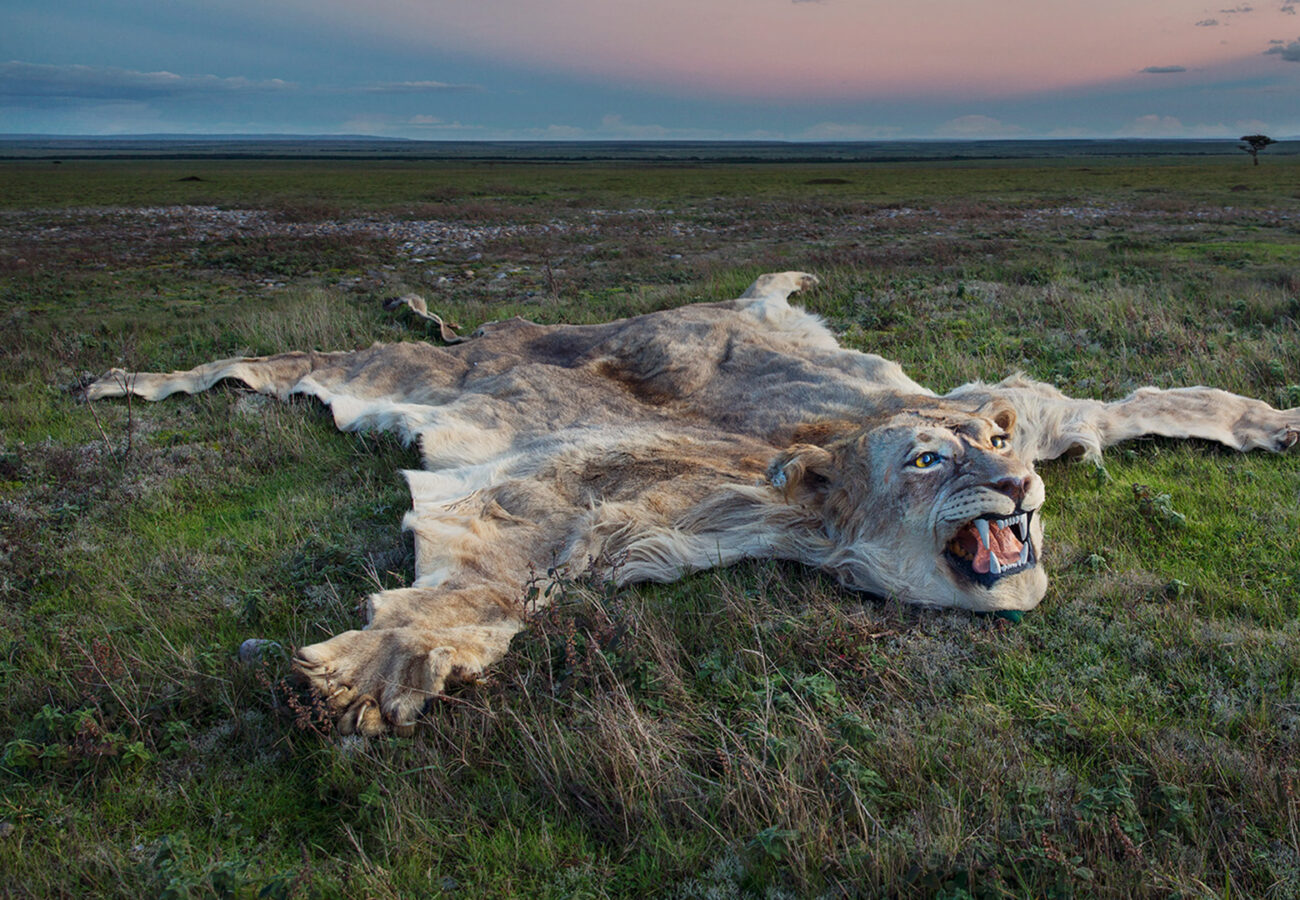
HELP PUT AN END TO TROPHY HUNTING
Your donation will help us campaign for an end to the practice, and put pressure on the UK and other governments to introduce a ban on the import of hunting trophies.